The problem with The Real Housewives of London: Where’s the old money?

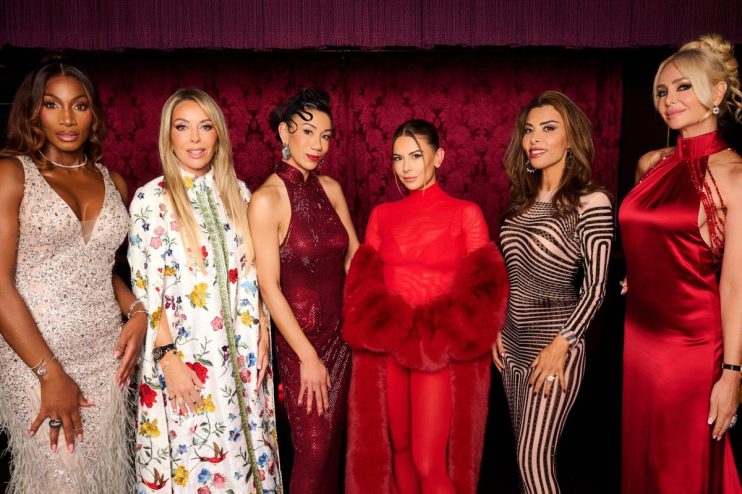
The Real Housewives of London has been renewed for a second season, but it continues to struggle with a major flaw – nobody who’s actually rich in London wants to do it, writes Anna Moloney
News that The Real Housewives of London has been renewed for a second season is cause to rejoice. With postcode shaming, Chelsea flower show grandstanding and digs like “you know they don’t actually own that castle”, season one gave London the Housewife treatment it has long deserved.
After all, beginning in 2006, the franchise has taken almost 20 years to reach The Big Smoke, with an astonishing 31 other cities having been spotlighted before London, which many may have assumed would have been a natural hub to showcase glittering wealth.
Why did it take so long? The British stiff upper lip, of course. Reportedly, the producers struggled far more to cast for London, where finding wealthy and willing participants proved more difficult than other (especially American) cities.
And this is really where one of the series’ main problems lies: a distinct lack of old money. Instead, the current cast (all returning for season 2) all come from the nouveau riche: Juliet Angus, an influencer, and an American one at that; Nessie Welschinger, an ex-investment banker; Juliet Mayhew, a “lifestyle imaginator” (her words) married to a hedge fund founder; Karen Loderick-Peace (the cast’s richest member), wife of the former chairman of West Bromwich Albion FC; and Amanda Cronin, whose wealth is said (primarily by her fellow housewives who love to bring it up) to have largely come from a very generous divorce settlement from First Utility co-founder Mark Daeche (though Cronin insists her success has come from her £255,000-lossmaking skincare business).
Square Mile superstar Panthea Parker, married to Mayer Brown lawyer and former Master Solicitor Ed Parker, has the best claim to old moneyhood, having proudly, she says, never worked and been living a high society lifestyle from a young age. But still, no aristocratic ties or titles to speak of.
Sorry Real Housewives, privacy is the ultimate London luxury
When Juliet Mayhew takes the girls to “her” castle in Scotland, it’s a point of scandal that she doesn’t actually own the castle, she’s just the biggest shareholder in it. Her fellow housewives are right to be upset – someone should own a castle in The Real Housewives of London! Nessie, who also tries her hand to show off an estate in the Cotswolds, doesn’t even have enough rooms to host the whole group, who she puts up in a local hotel instead. Personally, I was aghast, and assume she escaped Real Housewife crucifixion only because she’s the designated “nice” housewife, who the others can’t risk their allyship with.
Amanda – who by the end of season one had solidified herself as the show’s standout primadonna (and I thank her for it) with her much-memed showdown with Juliet Angus , who she denounces for living in (shivers) Paddington – did her best to bring proud London snobbery to the show, but it’s a big burden for one housewife to bear, and we can’t ask her to carry the whole show forever.
The problem of course is that in Britain, real wealth is discrete – and The Real Housewives is no place for quiet luxury. London’s real housewives are rich in heirlooms not Hermes, but, unlike their American counterparts, they would likely never agree to showcase their wealth for reality TV.
It’s an important cultural difference that explains why it’s taken so long for The Real Housewives of London to come together. In 2024, an Atlantic article spoke of how windows with their curtains open had become a status symbol in America, so keen (and secure) were the US wealthy to flaunt the interiors of their home. But in Britain, a nation more of curtain-twitchers than openers, privacy is, and has always been, the ultimate luxury.
Anna Moloney is City AM’s deputy comment and features editor