Exclusive: Fintech unicorns lukewarm on Reeves’ stamp duty holiday

Two of Britain’s most exciting IPO candidates have told peers that the Treasury’s recent overhaul of stamp duty on shares will not be enough to convince them to list in London, City AM can reveal.
Payments giant Zilch and banking software provider Thought Machine both used a recent meeting of industry heavyweights to raise concerns over the three-year post-IPO holiday, saying it alone was not enough for them to commit to a public debut in the UK, according to people in the room.
The interventions were made at last month’s gathering of the so-called Unicorn Council of billion-dollar fintechs, and will come as a blow to Treasury ministers, who are locked in a battle to persuade top British fintechs to choose London over New York and other bourses for an eventual listing.
Zilch and Thought Machine had been regarded as two of the most likely big ticket contenders to pursue an IPO in the near future. Zilch chief executive Philip Belamant previously trumpeted the payments giant’s readiness for life on public markets, describing the prospect of a London listing as “fantastic”. Meanwhile Thought Machine founder Paul Taylor told City AM in 2024 the firm was “definitely going to IPO” at some stage, and “very keen” for the debut to be in London.
But both companies have international investor bases, and boast large American private equity backers who – despite the stamp duty holiday – may be less inclined to push for a London listing unless it was clearly in the best interests of current and future shareholders.
Zilch’s Belamant said: “The Unicorn Council was formed to create an open and honest dialogue between, and among, industry and government. While details of discussions should be private, the topics and views of the Council and its members are well documented and in the public domain. IPOs are complex and no one issue determines final decisions for any organisation.
“As more of the right blocks are put in place then London’s potential as a listing destination increases. Dialogue in places like the Unicorn Council ensures clear and open communication to create positive momentum and achieve that outcome.”
Stamp duty holiday introduced at Autumn Budget
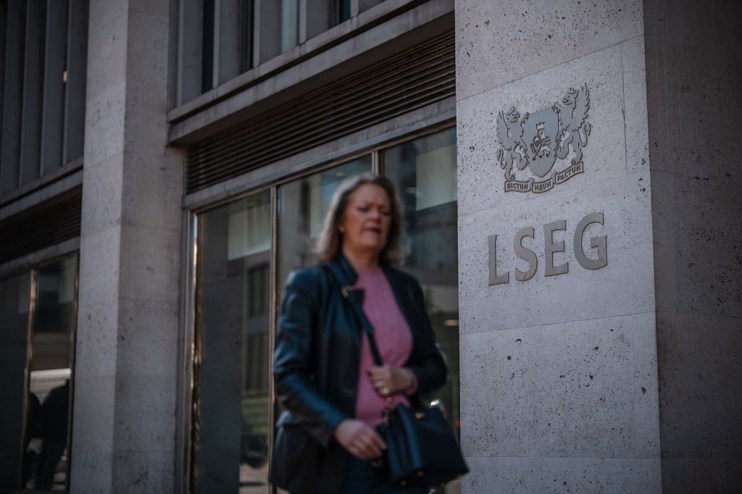
The London Stock Exchange (LSE) and ministers have been struggling to lure some of the UK’s brightest companies. For much of last year, London had dropped out of the top 20 IPO markets for the first time in history, before a flurry of market debuts in the final quarter of 2025 boosted its total.
Attempting to coax more companies to list in the capital, Rachel Reeves unveiled a three-year holiday to stamp duty on shares at last year’s Budget, in a move she said sent “a simple message to the world: if you build here, Britain will back you”.
The levy, which is applied at a rate of 0.5 per cent on the purchase of London-listed shares, is among the most draconian of its kind in the world, and has long been held up by market participants as being highly damaging to the health of Britain’s capital markets.
Simultaneously, the LSE and Financial Conduct Authority officials have introduced a long-awaited shake-up of its listing rules that make it easier for firms to issue capital and bolster founders’ voting rights. The overhaul sought to make it easier for new constituents to dual list in London and another bourse without it precluding them from the FTSE 100 index.
Since then, there have been early signs of London’s beleaguered bourse turning a corner. Its blue-chip index has posted a string of fresh records throughout the start of 2026, breaking past the 10,000-point milestone for the first time in its history.
That in turn came off the back of a year in which it outperformed almost all other major indices. It was also dealt a boost by a flurry of market debuts at the end of last year, including that of mid-sized lender Shawbrook, whose valuation has risen by more than 15 per cent since it floated in late October.
A spokeswoman for the LSE said: “The Chancellor’s decision to introduce a stamp duty holiday for IPOs for three years clearly acknowledges the vital role equity markets play in driving investment, innovation, and job creation.
“It is also an important first step in removing the distorting effects of this duty which has historically disincentivised investment in UK companies, especially for retail investors.”
City AM understands that there was no LSE representative at January’s Unicorn Council gathering.
A spokesman for the Treasury said: “Our stock markets are showing signs of renewed momentum, with a number of global firms recently choosing London and the FTSE hitting record highs.
“We remain absolutely committed to attracting primary listings and our ambitious reforms will help double down on this by cutting red tape for firms and backing new IPOs with a 3 year holiday on stamp duty taxes.”