Rachel Reeves launches major fintech push to galvanize listings

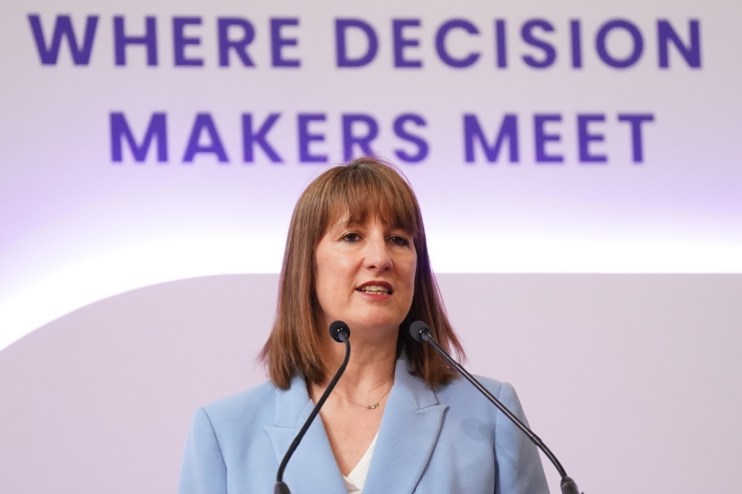
Rachel Reeves has laid out the government’s plans to make the UK the world leader in fintech in the Chancellor’s latest effort to attract a fleet of listings from the industry.
Reeves today unveiled the Treasury’s Financial Services Growth and Competitiveness Strategy, in which she laid out her vision to make the UK the “world’s most technologically advanced global financial centre, remaining a leading jurisdiction for fintech firms to start up, scale and list”.
The publication comes just a week after fintech executives from Zilch, Atom and Revolut told the Chancellor they would need to be incentivised to list in London.
Deregulation pushes spearheaded the strategy with “slow authorisation timelines” listed as making the UK less attractive to international firms.
The Treasury is set to work in tandem with the Office for Investment and industry to establish a ‘Listings Taskforce’ to attract “the best and brightest business from around the world” to float in London.
The government noted plans to work alongside regulators to “support a new streamlined authorisation regime for innovative start-ups” which will resemble a “provisional license or L-plates”.
The strategy also included the launch of a ‘Scale-Up Unit’ as a singular regulator point of contact for businesses in the scale-up phase in a bid to speed up regulator responsiveness.
The new unit, led by the Financial Conduct Authority and Prudential Regulation Authority, will build on the regulator’s existing joint ventures including the New Bank and Insurer Start-Up Units.
The introduction of a new regulatory off spring comes amid a row back on other institutions amid rising concerns from the financial services industry.
As part of the strategy, the government confirmed a crackdown on the Financial Ombudsman Services (FOS) after firms raised concerns about the “quasi regulator”.
Further reforms would follow the abolition of the Payment System Regulator in March, as the government sets out its ‘National Payments Vision.’
Payments plan in focus
The Treasury’s strategy set out plans for “modernising and future-proofing the legislative framework for the regulation of payment services and e-money”.
This included the creation of a regulatory framework for stablecoins, “in recognition of their potential to transform retail and cross-border payments”.
The government is “advancing work” on using a new tokenised settlement, built on the same blockchain technology, to pay for financial assets like stocks and bonds when they’re bought and sold.
The strategy comes at a pivotal time for UK fintech firms, with many speculated to be eying listings.
Reeves has wooed industry bosses in hopes of encouraging a fintech-powered City markets revival but thus far efforts have stalled.
Money transfer firm Wise ditched its primary listing in London for the US and Starling’s finance boss has confirmed the firm is weighing up a New York float.
This follows Revolut boss Nik Storonsky branding a London listing “not rational” as the UK “can’t compete” with the liquidity offered by the US.
Storonksy cited the stamp duty tax on UK shares as well as the deeper liquidity offered in the US. This also followed a regulatory headache for the fintech juggernaut after it waited three years to be approved for a license.
Welcomed steps come with warning
Innovate Finance – the industry body for UK fintech – hailed a “strong bundle of reforms” in the strategy with hopes the Treasury’s crackdown will address key regulatory issues.
Janine Hirt, Innovate Finance’s chief executive, told City AM: “These address barriers identified by our FinTech founders and our Unicorn Council and bring to life our proposals for bridging the regulatory valley of death.”
Whilst Hirt hailed the push to drive up listings and improve communication lines for scaleups, she warned the UK’s fintech crown was under threat as “other countries are quickly gaining pace”.
“It is critical that the government, regulators and industry urgently work together to increase support for this thriving sector of our economy.”
The Bank of England announced a fleet of banking reforms as part of the Treasury’s financial services strategy including hiking the MREL threshold – the minimum amount of money and certain types of debt a bank must have – to £25bn to £40bn.
Hirt said whilst the move met some calls it “fell short on other measures to provide a proportionate regime which could unlock further growth and lending to small firms”.
Richard Davies, chief executive of Allica Bank – dubbed the UK’s fastest growing fintech – welcomed the reforms as he stated “greater regulatory focus” was needed in the scale up segment of fintech.
“We will continue to push for further reforms that allow more capital to be deployed in productive credit to the SME sector – the UK’s real economy – which is fundamental in supporting economic growth for the UK as a whole,” he told City AM.