Next: Iran war costs retailer £15m and could push up prices

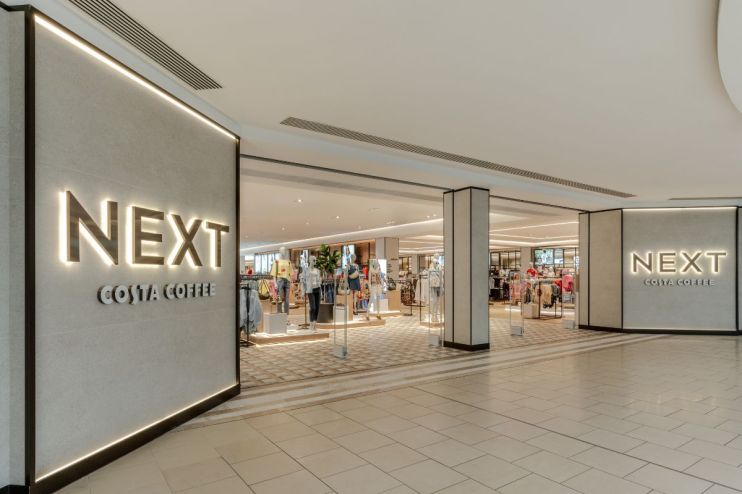
High street giant Next has said it will take a £15m hit from the soaring air freight and fuel prices caused by the Iran war, as it races to make savings elsewhere to offset the costs.
The FTSE 100 firm said it expects the conflict to constrain its growth in the Middle East, which accounts for six per cent of its turnover, and to impact costs, prices and consumer demand across the whole business.
Next took £1.2bn in pre-tax profit the year to January 2026, a jump of 15 per cent from the previous year, as sales rose 11 per cent to £7bn.
The firm’s share price was up six per cent on Thursday’s early trading to 12,785p, leaving the stock down five per cent in the year so far.
The retailer said it has priced in £15m – offset by savings elsewhere – assuming disruption from the Middle East conflict lasts for three months. But it warned that prices would have to go up if the conflict lasted any longer.
The firm said: “At this point, the longer term implications of the conflict are uncertain, and NEXT is not well placed to make predictions.
“Much will depend on how long the conflict persists, and how much permanent damage is done to the world’s energy infrastructure.”
The company says the conflict is already hitting its sales, blaming its failure to meet its 16.5 per cent international sales growth guidance on disruption in the Middle East.
Sales in the Middle East will continue to be lower than planned for at least the rest of the first half of the year, Next said.
Tax and wage hikes drive new costs
The retailer saw £75m in cost increases in the last year, with national insurance and wage rises, higher interest costs and an increased marketing spend adding to the £15m hit from the Middle East conflict.
Next said it made £57m in savings last year, including £39m from pushing employee bonuses back down to normal levels.
The firm’s profit from its retail stores was down five per cent to £193m despite growing sales (up 2.4 per cent), which the company said was due to increased employment costs.
Retail bosses have said the rise in national insurance contributions and minimum wage levels is putting a strain on hiring, as bosses brace for further costs as Labour’s workers’ rights reforms come into force this year.
New warehouse to drive UK sales growth
Next said its overall profit growth was driven in part by expansion of its international business, with global sales growing 35 per cent – much faster than the UK’s seven per cent.
While many retail giants rush to incorporate AI-powered shopping into their systems, Next has said it will not develop a central artificial intelligence function.
The firm said: “The benefits AI can bring to software development, range development, customer service and warehouse operations are so varied, and their challenges so different, that generic advice from a central function would be little more use than a central Spreadsheet Department.”
The retailer said its investment in new and newly-acquired brands is driving growth, and said it has been granted planning permission for a 1.2m sq foot warehouse in Elmsall, Wakefield, which it said could add £2.5bn to UK sales.
In January, Next bought high-street shoe seller Russell & Bromley, following up recent acquisitions including vintage-inspired retailer Cath Kidston and clothes brand Joules.
Michael Roney, Next chairman, said his contract has been extended by the board, as he announced the departure of two board members: Jane Shields and Jonathan Bewes.
Chris Beauchamp, chief aarket snalyst at IG, said: “The retailer’s decent figures underline another good period of performance, but the group highlighted the possibility of price rises should the conflict in Iran go on for longer than a few weeks.
“After a strong start to the year, Next and other retailers are facing tougher times, just like UK consumers.”