Natwest and Nationwide set for biggest profit hit from Healey’s bank tax raid

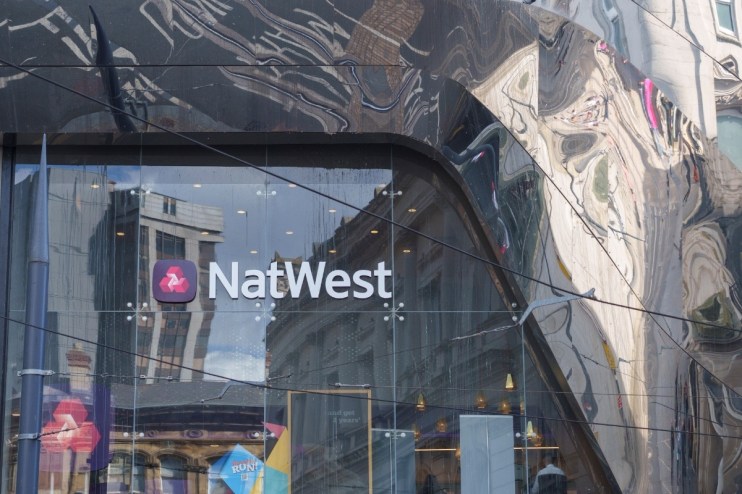
Natwest, Nationwide and Lloyds are set to feel the biggest hit to profit from John Healey’s bank tax raid, analysts have said.
The trio of British banks, which have a larger domestic focus than their peers HSBC and Barclays, are the most exposed to Healey’s doubling of the surcharge, according to analysts at RBC.
The levy sits on top of corporation tax and was raised to six per cent in the Budget for 15 months, which is expected to raise an extra £1.5bn for the Treasury.
Analysts at RBC estimate Natwest and Nationwide will both face a four per cent hit to net attributable profit (NAP) in the next financial year following the tax hike.
Bank’s NAP measures the portion of post-tax earnings available to the firm’s investors.
The FTSE 350 bank index rallied after the tax increase undershot what was initially feared. But the index finished the day broadly flat as investors digested the move.
“We expect that a proportion of this tax increase will be passed on to customers through higher mortgage rates and/or lower deposit rates,” RBC analysts Benjamin Toms and Pablo de la Torre Cuevas said.
“More expensive lending will lead to lower customer demand, which will in turn act as a headwind to UK economic growth, the stated single-most important objective of the UK government.”
Specialist banks get no reprieve
Trade body UK Finance said following the Budget an increase to the surcharge was not “the best way to drive growth”.
The Office for Budget Responsibility (OBR) forecast the increase rate will take surcharge receipts to £2.4bn in the 2027-2028 period, up from £1.2bn from the last year.
“We are a major taxpayer…. It is important to us that we have a stable and a predictable tax regime,” Lloyds Banking Group’s finance boss William Chalmers said.
He added additional taxes were “unhelpful” to achieving economic growth and international competitiveness.
A number of specialist lenders will also be swept up in the tax hike after the government left the minimum profit threshold for the charge at £100m.
A cohort of challengers wrote to Healey calling for the threshold to be raised to £500m earlier this year and warned any increase would have a “significantly negative and disproportionate impact on mid-tier and specialist banks and harm investor sentiment”.
The letter, whose signatories included Paragon chief Nigel Terrington and Shawbrook boss Marcelino Castrillo, said the threshold change would have cost the Treasury £39m while still increasing surcharge revenues.
Shawbrook is expected to face a 3.2 per cent hit to NAP following the surcharge and Paragon 2.7 per cent.