‘More needs to be done’ to help pension savers after salary sacrifice, says Standard life boss

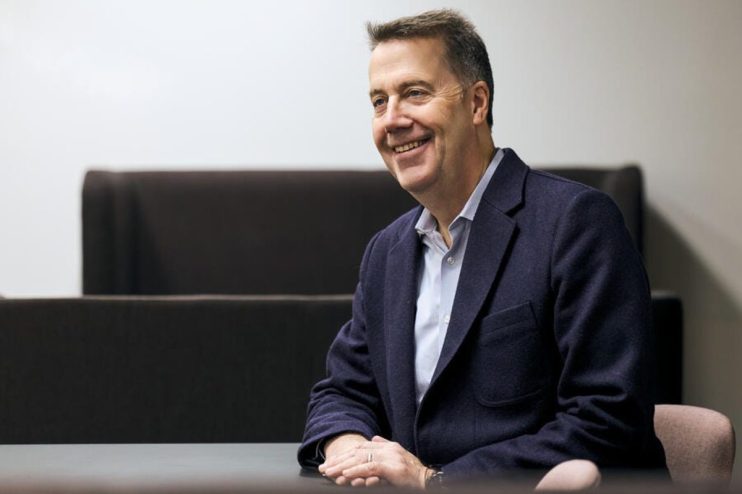
The boss of one of the UK’s largest pension providers has warned “more needs to be done” to help those saving for retirement after the government introduced a cap on salary sacrifice in the latest Budget.
Andy Briggs, the chief executive of Standard Life, told City AM: “Obviously, we weren’t supportive of [salary sacrifice changes] because it may well lead to people saving less.”
He said the impact had not yet “played through at this stage” with the workplace market still showing signs of strength.
But Briggs warned: “At an individual consumer level, more needs to be done to help more of them be saving enough for a decent retirement.”
The comments come after Rachel Reeves took an axe to the salary sacrifice scheme regime in the November Budget, sparking fierce backlash from employers and employees.
Through opting for salary sacrifice, employees can trade a portion of their pay for non-cash benefits like electric vehicle leases or childcare support. Pension contributions are often the most popular scheme, where employees effectively take a pay cut in exchange for higher pension contributions that help drag them under the £100,000 threshold and reduce their tax bills.
But in her Budget, the Chancellor capped the scheme at £2,000 per employee, per year, from April 2029, arguing that the scheme does not benefit those on the minimum wage.
“Our overriding thought here is that people aren’t saving enough in the UK for a decent retirement,” Briggs said.
“Only one in seven are saving enough for a good stand of living in retirement. Six out of seven aren’t saving enough. So it’s really critical that that is addressed.”
Hands off pensions
Standard Life is also among the key signatories of the May 2025 Mansion House Accord – a voluntary industry commitment to invest 10 per cent of defined contribution default funds in private markets by 2030, with at least five per cent in UK businesses.
Whilst supportive of the accord, Briggs offered some pushback against the Pensions Schemes Bill, which is making its way through the House of Lords. The bill is designed to modernise the pensions market through forced consolidation of smaller pension pots into “megafunds”.
The bill’s controversial “reserve power” has sparked backlash among top pension chiefs as it allows the government to legally compel pension schemes to invest a specific percentage of their assets into specific asset classes.
Briggs said: “We’re strong advocates that this is good for customers, but we also do believe that customers should have a choice. It’s their savings.
“They should have a choice in where they invest that money. And therefore we’re not supportive of mandation.”
Baroness Stedman-Scott, a Conservative member of the House of Lords, called out the mandation power in an urgent question ladt week, warning it gave the government a “sweeping authority” over how pension funds are invested.
Standard Life eyes potential M&A
The remarks come as Standard Life delivered its first set of financial results since announcing its rebrand from Phoenix Group last year.
The FTSE 100 giant told markets it had increased its total dividend for the year 2.6 per cent to 55.40p per share.
It came as profit rose 15 per cent to £945m, fuelled by momentum in the groups pensions and savings division and retirement solutions divisions.
The company also ploughed forward with its cost-cutting regime, notching £180m in its cumulative annual run-rate – yearly figures based on current, usually monthly data.
Standard Life said it successfully retired approximately £400m in debt during the year, reducing its Solvency II leverage ratio – a backstop aimed at monitory excessive debt levels – to 33 per cent as it locks its sights on a 30 per cent goal for the end of 2026.
The coming 12 months marks the final year of Standard Life prioritising debt repayment, which the firm expects to leave over £500m in extra cash.
“We could use the excess cash to drive even stronger organic growth… we could use it for M&A, or we could use it for additional shareholder returns,” Briggs told City AM.
“We’ll select whichever of those is the highest return opportunity.”