Trump turmoil sends oil prices back toward multi-year peak

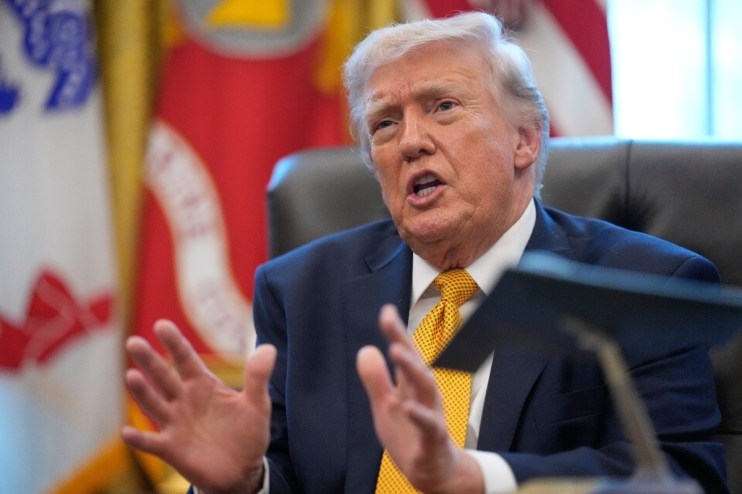
Iran hits back at president’s ‘Operation Freedom’ pledge for safe passage through the Strait of Hormuz; Brent up over 5 per cent to $114 a barrel
The main international oil price surged back toward multi-year highs on Monday, as US President Donald Trump’s pledge to get tanker traffic moving through the Strait of Hormuz was met with a chilling warning from Iran.
Brent crude traded around $110 a barrel in late European exchanges on Monday, having been as high as $114, which took the rise on the session to over 5 per cent. The rise left it heading for the four-year peak over $126 which it claimed last week, when flare-ups in tension between the United States and Tehran coincided with the expiry of contracts scheduled for delivery in June.
Washington’s move to get oil flows up and running through the strait – dubbed Operation Freedom by Trump – intends to escort stranded vessels through the narrow channel which serves as the only navigable maritime route from the Persian Gulf to the open sea.
Only between 21 and 30 miles wide, it is under the de-facto control of Iran. Before the three-month long war began, the strait carried around a fifth of tanker-bound global oil exports.
Tehran’s response to the US plans was stark. It warned what it called “foreign armed forces, particularly the US aggressor army” that they will be “attacked” if they attempted “to approach or enter” the strait.
The United Arab Emirates said a tanker linked to the country’s state-owned oil firm Adnoc was hit in the strait. There were no injuries. The UAE called the strike “a flagrant violation of UN Security Council resolution 2817, which affirmed the importance of freedom of navigation, and rejected the targeting of commercial vessels or the obstruction of international maritime routes.”
Flashpoint fears over ‘Operation Freedom’
Tension stayed high throughout the day, with traders keeping close watch on a series of headlines from the troubled waters of the Straits of Hormuz.
When Trump announced Operation Freedom on social media on Sunday night, he said that any moves against it would be “dealt with forcefully”.
Fears that the seafaring chokepoint could become a flashpoint rippled through global markets.
Brent crude turned around from earlier declines seen in the immediate aftermath of Trump’s pledge to reopen the strait.
And a weekend pledge from OPEC to boost output did little to lift the mood. The Organisation of Petroleum Exporting countries said June supply would rise by 188,000 barrels a day. But amid strain between its members and the departure of the United Arab Emirates from the group, City analysts doubt the rise will be realised.
Warren Patterson, head of commodities strategy at ING, said OPEC’s pledge “won’t happen amid ongoing disruptions in the Strait of Hormuz”.
Of Operation Freedom, he warned: “The market does not seem convinced,” adding: “Reports indicate that, for now, the plan won’t involve the US Navy escorting vessels. Even if this allows vessels to leave the Persian Gulf, we’re likely to see little inbound traffic. This would only amount to temporary relief, as floating storage leaves the Persian Gulf.
The fresh turmoil in the energy market turmoil came against a bleak backdrop of a looming supply crunch if the war does not end soon, and with it the tense stand-off over the Strait of Hormuz.
David Morrison, senior market analyst at Trade Nation, said: “Oil traders must now sit back and wait for further updates from the US to get an idea if the current ceasefire is about to be broken, or if the stage can be set for another round of formal peace negotiations.”
Fears that a lack of jet fuel could disrupt the looming peak-summer holiday season remained a major talking point in the market, with Europe heavily dependent on supplies from the Gulf.
ING’s Patterson said: “Jet fuel inventories in Europe continue to tighten amid disruptions to refined product flows from the Middle East.
“Since 26 February, jet fuel stocks have fallen by 34 per cent, reaching their lowest level since 2020.”
The extent to which tensions were heightened became clear when US Central Command denied reports from Iranian media that a US ship was struck by two missiles in the Strait of Hormuz.
Centcom said two merchant vessels under the US flag crossed the strait. with guided missile destroyers from the Navy active in the Gulf
Then came a news gency report from South Korea saying one of the country’s vessels anchored in the strait may have been hit.