Meta surges, Microsoft stumbles as Big Tech doubles down on AI spend

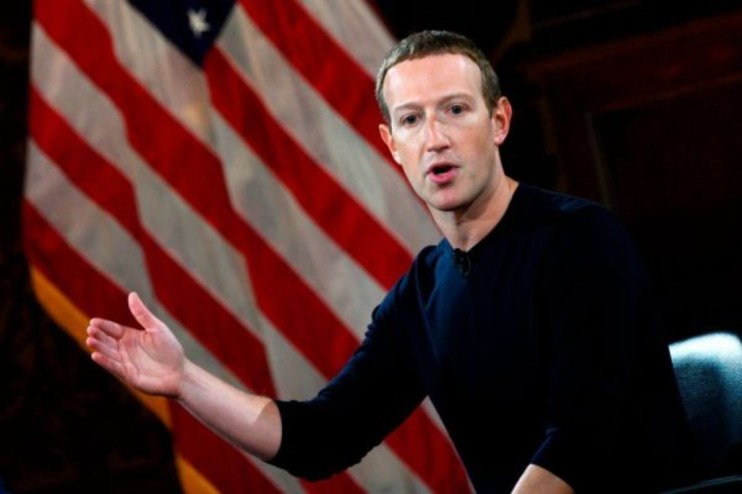
Three members of the ‘Magnificent Seven’ Big Tech stocks – Meta, Microsoft and Tesla – gave investors an early read on the health of the AI boom after US markets closed on Wednesday.
Meta shares jumped as much as nine per cent in after-hours trading after the Facebook owner posted record revenues and issued an upbeat outlook, while Tesla rose around three per cent as earnings beat expectations despite another tough quarter for its core car business.
Meanwhile, Microsoft slid roughly five per cent even after topping forecasts, as signs of slowing cloud growth unnerved investors already wary of ballooning AI spend.
Together, the three companies account for a sizeable chunk of the S&P 500 index, so their results are an important bellwether for markets wrestling with the question of whether the AI boom is still accelerating, or else starting to strain balance sheets.
Meta delivered the clearest vote of confidence. Fourth-quarter revenues rose 24 per cent year-on-year to a record $59.9bn (£43.3bn), driven by a resurgent ad business, while earnings per share came in well ahead of expectations.
The Big Tech also forecast first-quarter sales above Wall Street estimates. But the real headline for the social media giant was spending.
Meta said capital expenditure would jump to between $115bn and $135bn in 2026, nearly double last year’s outlay, as it pours capital into data centres and its so-called ‘superintelligence sabs’.
Chief executive Mark Zuckerberg told analysts that 2026 would be “the year that AI dramatically changes the way we work”, adding that new models would be released “over the coming months”.
Analysts at Jefferies dubbed that Meta had gone “full throttle” on AI, with investors seemingly comfortable, for now, that the ad machine can fund the arms race.
Cloud nerves and robots, not cars
Microsoft’s numbers presented a more complicated picture, as revenue rose 15 per cent to $81.3bn but earnings per share beat forecasts.
But, shares fell as growth in its Azure cloud unit slowed slightly to 39 per cent, while capital expenditure also came in higher than expected at $37.5bn for the quarter.
Jefferies analyst Brent Thill said the market reaction reflected concerns about Azure growth and the concentration of Microsoft’s backlog, with nearly half of its $625bn in remaining performance obligations linked to its partnership with OpenAI.
Still, he noted Microsoft’s ability to monetise AI across software, security and infrastructure gave it an edge few rivals can match.
But chief executive Satya Nadella claimed Microsoft’s AI business was already “larger than some of our biggest franchises”, including Windows and Xbox.
Meanwhile, Tesla’s results were more concerned about the future than the present.
The electric carmaker beat earnings and revenue estimates, but full-year sales fell for the first time on record as vehicle deliveries declined and competition intensified, particularly in China. Automotive revenues dropped 11 per cent in the quarter.
Chief executive Elon Musk used the call to shift focus back to autonomy and robotics, confirming plans to unveil a new Optimus humanoid robot design this year and to ramp spending on AI and factories. Tesla also disclosed a $2bn investment in Musk’s AI venture xAI.
For investors, the message from Wednesday night was mixed but telling. AI spend undoubtedly remains the strategic priority for Big Tech, but the market is starting to differentiate sharply between those turning spending into visible growth, and those who aren’t.