Mandelson’s Global Counsel has been rocked by its links to Epstein. Will it survive?

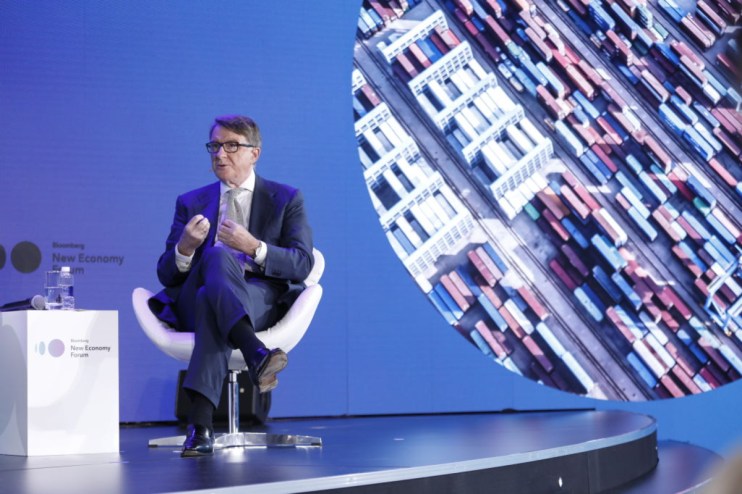
Global Counsel – the lobbying shop co-founded by Peter Mandelson – was once a swashbuckling force in London’s world-leading public affairs sector. But after the extent of its links to Jeffrey Epstein were revealed by the US Department of Justice email release, clients have been severing ties and its chief executive has quit. Ali Lyon asks: will it survive?
For someone who spent his life painstakingly managing others’ media appearances, the late Lord Bell’s 2017 turn on Newsnight is still held up in PR circles as one of the worst examples of crisis management in modern British history.
His communications agency, Bell Pottinger, was on the brink of collapse after its role helping South Africa’s wealthy Gupta family wage a racially motivated media campaign was revealed by a whistleblower. Clients had been abandoning what was then one of London’s largest PR shops at a rate of knots, fearful of reputational damage by association. And its chief executive had quit – despite playing only a peripheral role in the work – after the firm’s membership of its industry body – the PRCA – was unceremoniously revoked.
Bell, the man credited with forging Margaret Thatcher’s reputation as the ‘Iron lady’, resolved to stem the tide of bad publicity with an appearance on the BBC’s flagship evening news programme. Instead, over an excruciating eight minutes littered with contradictions and conflations – and interrupted twice by his mobile phone ringing – he sealed his agency’s fate.
Eight years on, Bell Pottinger’s ignominious collapse is back on the lips of public affairs executives across London, after the future of another of the capital’s best-known lobbying firms – Global Counsel – was plunged into disarray by a similarly grave crisis.
A City AM investigation published last week revealed the consultancy, founded in 2010 by Peter Mandelson and New Labour spin doctor Benjamin Wegg-Prosser, was mentioned more than 800 times in the US Department of Justice’s release of emails relating to Jeffrey Epstein.
Epstein’s role in Global Counsel’s early days
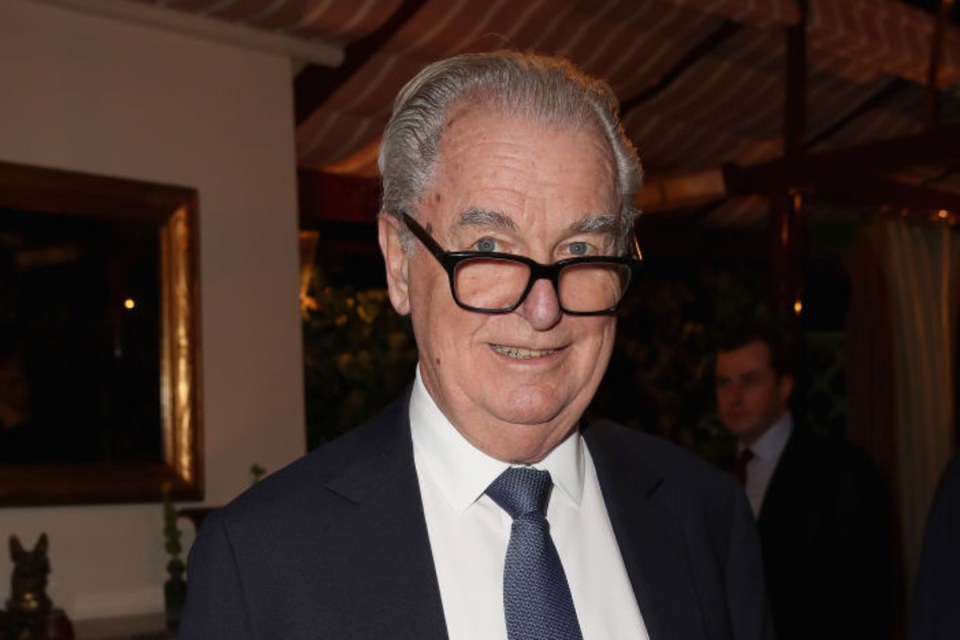
The overwhelming majority derived from personal emails sent to the convicted sex trafficker by Mandelson, who served as its chair for over a decade before stepping down to become ambassador to Washington. Some, however, laid bare the extent to which Epstein played an instrumental role in the agency’s early days, combing through its list of pipeline business and helping Mandelson source potential clients.
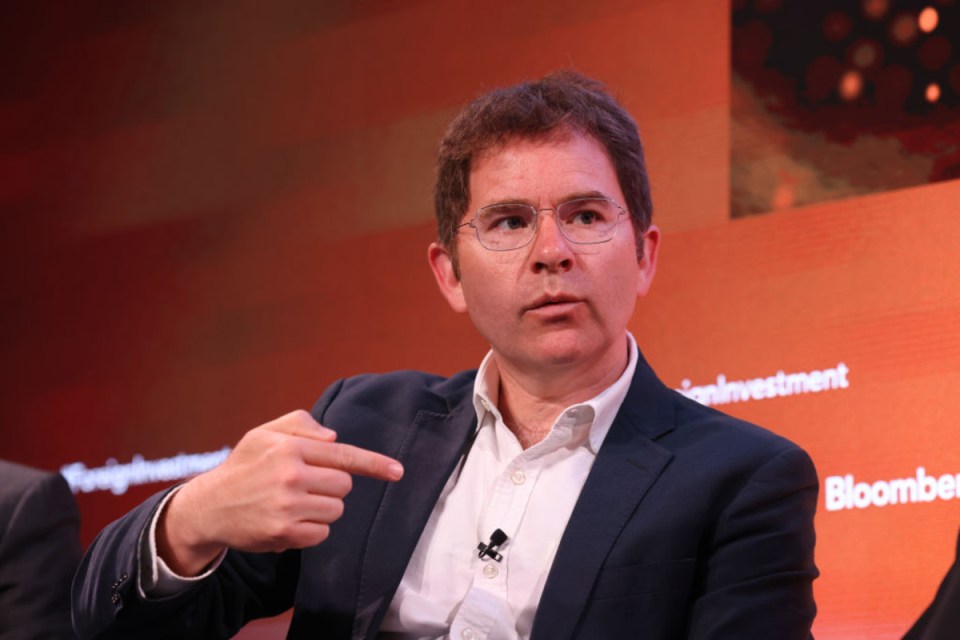
Others showed chief executive Wegg-Prosser had cultivated ties with Epstein too. One exchange revealed he met Epstein in his New York townhouse to discuss Global Counsel’s strategy while the notorious financier was under house arrest in 2010.
Another showed Wegg-Prosser sent Epstein a statement that appeared to be from a spokesperson for Mandelson aiming to distance the ex-Labour heavyweight from the sex offender when the pair’s private relationship was at its height.
“It’s all looking a bit Bell Pottinger,” one veteran lobbyist at a rival firm told City AM of the reputational damage suffered by Global Counsel over the past week.
A second executive – speculating on the survival chances of Mandelson’s former firm – simply said: “Bell Pottinger had good people – and look what happened to them after a scandal.”
The parallels between the two agencies abound. The culprits for both crises were, after all, controversial peers with storied careers as political communication advisers.
Clients head for the doors
The two advisories have attracted a similarly clandestine client base, too. Bell famously once argued that just as everyone deserves legal representation, so too should PR agencies be allowed to vouch for anyone in the court of public opinion. That attitude ultimately led to his agency’s downfall. And in Global Counsel’s case, a similar approach has seen it give its high-priced advice to oligarchs, state-backed Russian oil firms, and a defence company with close ties to the Chinese government.
Since revelations about Global Counsel’s ties to Epstein first emerged, however, it is its more blue-chip clients that have been responsible for compounding the advisory’s woes. According to reports, Barclays has severed ties with the agency, citing frustration over its efforts to divest Mandelson – who until Friday, retained 21 per cent stake as its the co-founder – from the company. And in a sign that the firm’s top brass are struggling to contain the fallout, pharma giant GSK, the Premier League, Vodafone and buyout behemoth KKR have all followed the high street lender’s lead.
With his agency haemorrhaging clients, Wegg-Prosser felt the writing was on the wall. In an email sent to clients on Friday seen by City AM, its chair – Marks & Spencer chair Archie Norman – wrote that the advisory firm’s co-founder “had decided to step down”, ostensibly because Mandelson’s share had been fully divested.
In the same email, Norman revealed that Rebecca Park – a seasoned financial lobbyist who helped establish the banking industry body UK Finance – would step into the role of chief executive.
Calls to overhaul lobbying rules
All of which has sparked a wider reckoning in the public affairs industry over lobbying standards. Unlike the large majority of UK-based agencies, Global Counsel is not a member of the sector’s industry body, the PRCA, meaning it did not subscribe to an industry-wide code of conduct, which, among other rules, prohibits peers from engaging in any lobbying-related activities.
On Tuesday, the group’s chief executive, Sarah Waddington, will write to every head of public or external affairs in the country urging them not to work with consultancies who have refused to sign up to her body’s code of conduct.
In a draft of the letter letter seen by City AM, Waddington brands the affair a “timely reminder of the importance of clear standards, accountability and transparency across [the] industry”.
“Lobbying plays a vital role in the democratic process when carried out properly,” she continues, before adding: “At a time when public confidence matters more than ever, we encourage you to make sure that your consultancies are meeting the highest ethical standards with using PRCA agencies.”
The letter echoes an intervention made by the former Prime Minister, Gordon Brown, who on Saturday used an appearance on the Today Programme to call for a major overhaul of lobbying legislation. Brown railed against what he saw as the “systematic abuse of power by lobbyists”, and demanded a comprehensive set of actions to prevent similar scandals.
Global Counsel affair is a timely reminder of the importance of clear standards across the lobbying industry
The interventions appear to have sparked pause for thought among Global Counsel’s new-look leadership, with a person familiar with their thinking telling City AM that the company is actively reviewing their approach to transparency measures.
But there are also signs the fiasco may intensify before any recovery materialises. City AM can reveal that Maree Glass, who remains a director at Global Counsel, helped organise a tour of Downing Street for an associate of Jeffrey Epstein years after his 2008 conviction of soliciting prostitution from a minor. Glass, who was Mandelson’s personal assistant in the department for business, is shown liaising with Epstein’s personal assistant, asking her whether whether she has the correct contact details for his friend. A person close to Global Counsel said the visit was arranged before the agency was established in 2010.
Questions over Global Counsel future
The revelations – of which the Glass emails are just the latest – has led industry figures to question how a firm whose reputation was built on Mandelson and Wegg-Prosser’s ties to government, and whose business model is reliant on a direct line into policymakers, can survive.
In the case of Bell Pottinger, Lord Bell’s agency lasted nearly six months before its difficulties attracting new clients – and tarnished reputation – finally forced it to appoint administrators. A person familiar with Global Counsel’s position said the business remains on a firm footing, pointing to its efforts to diversify away from the core UK lobbying and political advisory work that was once its bread and butter and its fresh leadership.
Others in the industry, though, struggle to picture a consultancy that relies on its connections to senior politicians surviving a crisis that has already extinguished both its co-founders’ careers and which may yet seal the fate of the Prime Minister.
“No clients want to pay an agency that might risk rather than enhance their reputation,” one senior PR executive told City AM.
“The brand is now toxic,” said another. “Anyone in and around the government will be very wary of contact. There’s not much point having a lobbying firm that no one will talk to.”