Jury trial controversy looms over Starmer after King’s Speech points to reform

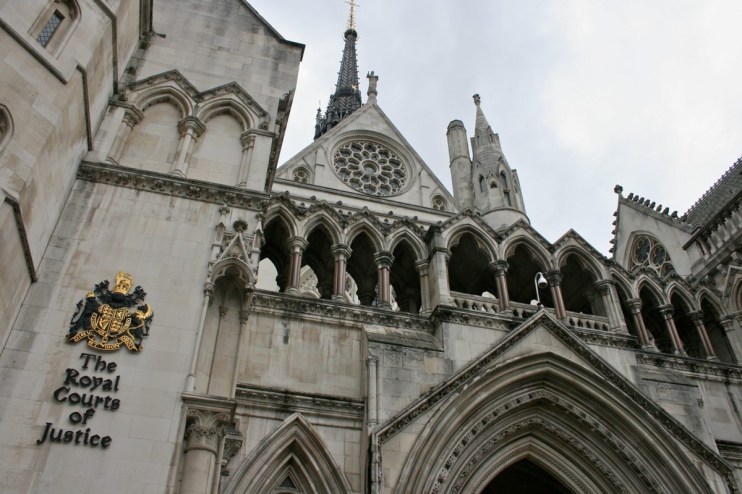
Controversial government plans to trim back the use of jury trials were included in the King’s Speech on Wednesday, as an embattled Keir Starmer persevered with an long-trailed overhaul of the UK’s criminal justice system.
The Courts Modernisation Bill could become the latest issue over which Downing Street and the parliamentary Labour Party clash at a time of heightened political tension across Westminster, legal experts have said.
The bill is designed to “deliver services the British people expect”, according to the reference made to it in the ceremonial opening of Parliament, and address a mammoth backlog in trials and widespread delays across the courts.
It was introduced earlier this year as a means to overhaul a criminal justice system many believe to be in crisis. A move away from jury trials is intended to speed up and streamline the legal process to tackle the backlog.
This includes removing the right for defendants to choose a Crown Court trial with a jury and giving the courts powers to decide the need for a jury trial based solely on the severity and complexity of cases.
The bill also creates a new ‘Bench Division’ within the Crown Court, which will allow judges to oversee trials without a jury in cases including financial crime, where the subject matter may be complex, with deeper expertise needed for deliberations.
In a recent review of the problems faced by the legal system carried out ahead of the proposed reforms, the judge Sir Brian Levinson found that jury trials now take twice as long as they did in 2000. He estimates that trials without a jury will reduce hearing time by at least 20 per cent.
Reforms ‘likely to reignite’ debate over jury trials
But the proposals have met fierce resistance among practising lawyers and academics, as well as political opposition.
Among the reforms critics are lecturers in law at the University of Salford, Craig Smith and Dr Kim Langtree. They argue that the measures are “likely to reignite significant constitutional and practical debate surrounding the future of jury trials in England and Wales.”
“While the scale of the Crown Court backlog undoubtedly requires urgent attention, proposals to restrict jury trials raise important questions not only about efficiency, but also about legitimacy, public confidence, and the long-term direction of criminal justice reform,” they said.
They added that one of the “central concerns” rising from the reform agenda “relates to public confidence in the criminal justice system itself”.
“Jury trial has long operated not merely as a procedural mechanism, but as a visible form of public participation in the administration of justice,” they said.
“At a time when confidence in public institutions remains fragile, reforms which reduce community participation in criminal adjudication risk creating the perception that justice is becoming increasingly technocratic and detached from the public it serves.”