Jeremy Hunt ‘made mistake’ in taxing non doms

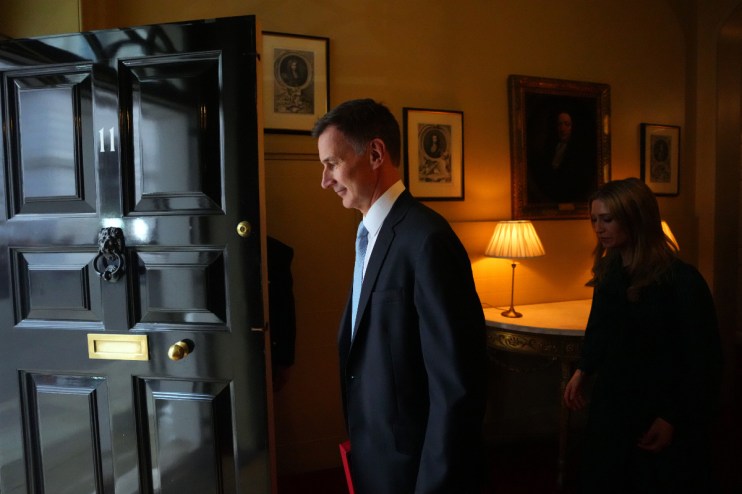
Former Chancellor Jeremy Hunt was wrong to target non doms as part of efforts to raise more government revenue from tax, shadow business secretary Andrew Griffith has said.
Hunt abolished a special tax status for non-domiciled residents in his last Budget, then raising £2.7bn, before Rachel Reeves went further by removing a carve-out that allowed assets held in a foreign trust to be free from inheritance tax.
Griffith, a former City minister, said he looked to the current government “with some bewilderment” as he pointed to research produced by the Centre for Economics and Business Research in May claiming that the Treasury would begin to make hefty losses if a quarter of non-doms left the UK.
But the shadow business secretary said the previous government he served under should not have targeted foreign individuals based in the UK.
In response to a question on whether Hunt was wrong to make the first move on targeting wealthy foreign nationals, Griffith told City AM: “It was a mistake to attack global wealth creators. I won’t expand on that, but it was a mistake.”
“What Rachel Reeves has done is very materially different by expanding it to people’s global assets, putting a significant amount [of funding] in jeopardy. All advice tells me that is what is driving people leaving the country.”
Treasury officials are reviewing changes it made to charge UK inheritance tax on global assets, the Financial Times reported earlier this month.
South Africa’s richest self-made woman told City AM she would change her mind on leaving the UK if Reeves dialled back her reforms.
“It’s not about protecting my money from the tax man,” she said recently. “I pay all my taxes, but South Africa has foreign exchange controls and I don’t know whether [my estate] would be able to pay the IHT bill under the current rules.”
How to lure non doms back to the UK
Griffith, who delivered a speech to an audience of bankers and investors at TheCityUK’s conference, said the Conservative Party would take time to work through firmer policy proposals as he signalled it would support Reeves in reversing measures.
He added he was not paying attention to Reform UK’s so-called Britannia Card that would seek a one-off £250,000 pee for non-doms to qualify for tax exemptions.
Farage said the payment would raise £1.5bn a year but the policy raised eyebrows among wealth advisers and tax experts such as Dan Neidle, who said the government would lose revenue in the long term.
James Quarmby, a founding partner of Stephenson Harwood’s private wealth team, separately questioned the proposal as he said distribution of cash from the Britannia Card represented “bonkers” policy.
Griffith added that work was being done to look at a “modernised version” of the investment visa it suspended in the wake of Russia’s full-scale invasion of Ukraine.
Former home secretary Priti Patel said the decision on Tier 1 investor visas for those spending at least £2m, often referred to as a ‘golden visa’, was made due to “illicit finance and fraud”.
Bloomberg reported in May the Labour government was considering introducing its own investor visa that would encourage wealthy individuals to support growth areas listed in the government’s industrial strategy, such as clean energy industries and life sciences.