How to drink sake: A beginner’s guide

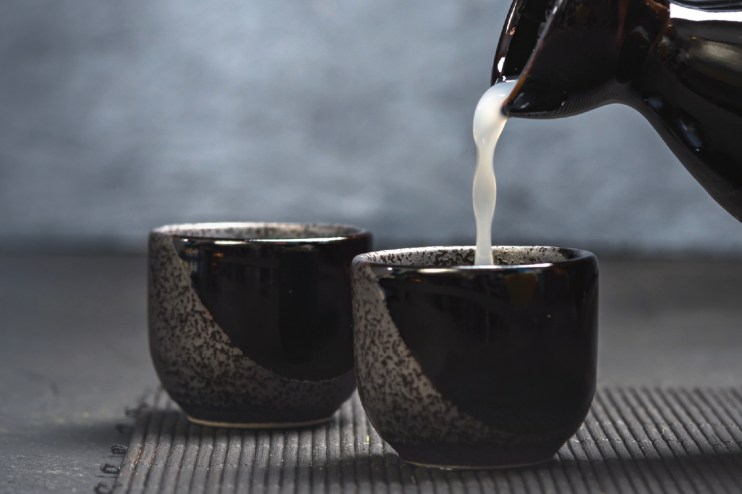
Have you heard the siren call of sake? This Japanese drink is everywhere and it’s the coolest thing to be quaffing (though you can enjoy it chilled, warm or hot). The problem is that it is quite complicated compared to wine, so I have compiled a brief beginner’s guide to make you a speedy sake savant.
Sake is not a firecracker shot, rather a moderately alcoholic beverage made by fermenting rice with water, yeast and koji, a uniquely Japanese fungus. It is typically served in small cups for sipping.
If you see or hear the word “Junmai” this means a “pure” sake, where no additional alcohol has been added. These tend to be less perfumed, fuller bodied and richer. The sakes that do not have the word “Junmai” have had a small amount of alcohol added and are more aromatic and lighter bodied.
The next thing to look out for is the percentage of rice that has been polished prior to fermentation. The percentage you see is the amount of rice remaining. The more rice is left (the higher the percentage) the more earthy and umami the sake will be. The less left the more fruity, floral and perfumed.
The light, fruity, aromatic sakes (50 per cent or less rice left) are called “Daiginjo” or “Junmai Daiginjo” if alcohol has not been added. The medium sakes (60 per cent or less rice left) are called “Ginjo” or “Junmai Ginjo” and the earthiest, cereal-esque sakes with the most rice left are called “Honjozo” or, if no alcohol has been added, “Junmai”.
Sake is versatile and diverse. There’s sparkling sake “awa-zake”, one of my favourites for soft cheese or as an aperitif, or cloudy sake “nigori-zake”, which is creamy and slightly hazy and went stunningly with dessert at Michelin-starred Trivet. Trivet is just one of many restaurants taking part in a ‘Sake Food Sensations’ campaign this month highlighting its compatibility with a range of cuisine.
Wine refreshes the palate between bites whereas sake is described as “hugging the food”, so sip it with food in your mouth and experience both together. Especially good for mellowing saltiness in fish and seaweed and pairing with umami flavours like mushrooms, asparagus and cheese.
Begin your journey at ROKA Charlotte Street with Kikunotsukasa’s TOU, a delicately beautiful sake made exclusively for ROKA, paired with exquisite slivers of yellowtail in yuzu sauce. Here is a combination that could turn the head of any sake sceptic! Global head of wine Laura Blanchett has created an enthusiastic, informative sake menu and is championing a new “Ozé x Rosé” for spring, a slightly sweeter, fruitier “gateway” sake perfect for pairing with spicy dishes or sunshine sipping.
For a sky-high treat, try Luna Omakase (100 Liverpool Street), which combines culinary flamboyance with historic story-telling and exciting dishes that charm the eye as much as the palate. Sitting above the City, you can choose to pair your multi-course dinner with a wine, sake or non-alcoholic flight. I was impressed with the attention our sommelier had put into the non-alcoholic options but it’s the sake flight I recommend.
Nigiri burned with charcoal and wagyu slivers cooked on a Himalayan salt block are two examples of the kitchen’s impressive cooking. As we dine, the convivial company of the chefs makes this 12 seat restaurant an experience to remember.
Get practising your new sake knowledge by tasting at home. Super premium Toku Junmai Daiginjo (£155, Hedonism) is creamy and smooth, with citrus freshness and ripe melon underpinned by delicate umami. Chill it until the blue mountains appear on the temperature sensitive label and pair with prosciutto and melon or go high-low with fried chicken. Or grab the more affordable Dreamsake Daiginjo (£30, Ocado). Crisp and refreshing with layered aromatics, it’s ideal with sushi, light soft cheese like ricotta or seafood pasta. Kanpai!