How the square mile is helping make London one of world’s the best cities

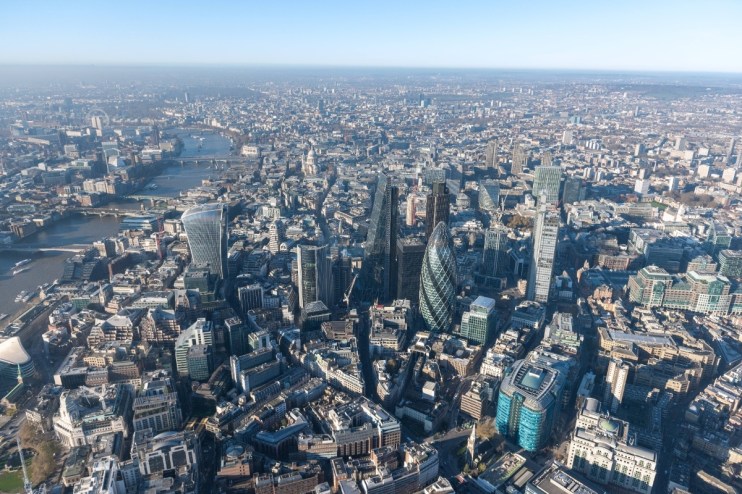
London has been named a 2026 Laureate of one of the world’s most prominent awards in urban planning and city development, the Lee Kuan Yew World City Prize, says Chris Hayward
March 2026 has proved an exemplary month for the City of London’s urban built environment.
After a successful pitch to global investors and developers at MIPIM (Europe’s largest real estate conference hosted in Cannes), London was named a 2026 Laureate of one of the world’s most prominent awards in urban planning and city development, the Lee Kuan Yew World City Prize.
This is fantastic news for the Square Mile, and affirms the vital role our Destination City growth strategy, as well as the local plan (City Plan 2040) are playing in London’s continued success.
The Lee Kuan Yew World City Prize recognises cities that demonstrate exceptional achievements in creating liveable, vibrant and sustainable urban environments. It celebrates liveability, resilience, strategic governance and people-centred urban transformation, principles that have guided the Square Mile’s agenda for decades.
The judges identified key strengths contributing to London’s historic win, including its global leadership in economics, research and culture; its record of championing transformational redevelopment projects; its world-class transport and regeneration; its inclusive public spaces; as well as its clean air and social programmes.
The Square Mile’s contribution to this record of excellence is undeniable. A laser-like focus on strengthening the City as a magnetic destination and driving economic growth – this two-pronged approach has had demonstrable results, attracting high-value firms and highly skilled people here at record rates. And these successes are borne out by the numbers – low office vacancy rates and increasing visitor and commuter footfall throughout the week.
In both spirit and substance, the prize is also a vindication of the City of London Corporation’s long-term planning and placemaking at the heart of the capital.
But you needn’t rely on statistics – you can see Destination City and City Plan 2040 at work in the skyline. In December 2024, we approved 1 Undershaft, a 74storey, 309.6m office tower that will provide approximately 154,000 sqm of Grade A, sustainable space.
Alongside this, we boast Europe’s highest publicly accessible viewing gallery at 22 Bishopsgate, a free children’s education space with the upcoming London Museum and Finsbury Circus, London’s largest public open space. And more improvements are imminent – the streets around St Mary Axe and Leadenhall Street are soon to be renewed with greening, seating and wayfinding: public benefits demanded as conditions for private investment, all within one square mile.
Scale and ambition
The scale and ambition of our placemaking work is indisputably impressive. A case in point – the City’s Transport Strategy targets a profound shift in how streets are used: prioritising walking and wheeling, and delivering world class public realm, reducing motor traffic and expanding greenery and climate adaptation. It sits explicitly alongside City Plan 2040 as the twin engine of place transformation.
Our latest Annual Report (completed in 2025) details completed and in-train projects, such as the St Paul’s Gyratory transformation, set to become the largest new public square in the City for generations, and primed to promote the connectivity and experience for everyone who lives, works and visits here. Meanwhile, at Bank Junction, we have delivered permanent changes that remove general traffic on key routes 24/7, widening footways and creating safer, more navigable space in the beating heart of the financial district.
Our urban policy is also emphatically cultural. The London Museum is moving to West Smithfield, a £400m transformation with funding from the City Corporation (£222m) and the Mayor of London, bringing extended opening hours and a civic “marketplace” back to the historic heart of the City from late 2026.
The museum will open early, close late, and is positioned on a brilliantly connected hub at Farringdon (on the doorstep are the Elizabeth line, Thameslink and Underground). This location offers a stark example of how we harness heritage assets and transport integration to animate a seven-day destination.
Meanwhile, we have committed £191m to upgrading the Barbican, securing the future of Europe’s largest multi-arts centre and safeguarding one of the world’s most significant Brutalist buildings.
Finally, the award is also a powerful endorsement of our unique relationship with the rest of the capital, and celebrates not only what London has achieved, but what we can achieve together in the future.
The City Corporation is proud to play its part in this success, and we will continue working with the rest of London to ensure our capital remains the best place in the world to live, work and invest.