Fuel crisis grounds thousands of flights as Iran war sends oil prices soaring

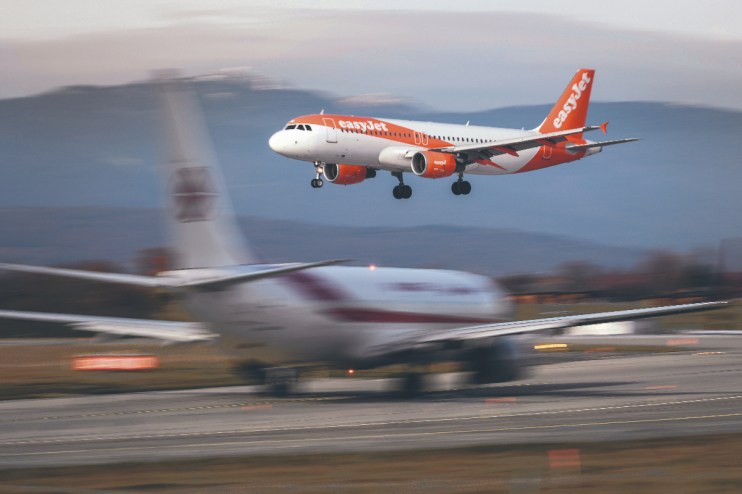
Thousands of flights have been cancelled, and more are planned, as global airlines struggle with surging fuel costs in the wake of the war in Iran.
According to data by aviation analytics company Cirium, more than one in 20 flights scheduled to take off on Monday were cancelled.
Jet fuel, which is generally more expensive than oil, now costs $1,710 a metric tonne, up over 130 per cent from its $742 price tag last year.
Airlines which have confirmed flight cancellations include Air New Zealand, which cut 1,100 flights through to early May, and Scandinavian group SAS, which is cancelling 1,000 next month. Both have said these will mainly affect domestic routes.
Earlier this month, United Airlines became the first major US airline to cancel flights due to soaring fuel costs, cutting around five per cent of capacity on less profitable routes.
This all comes as a result of the war in the Middle East, which has led to the closure of the Strait of Hormuz. The blockage of this crucial trade artery, through which a fifth of the world’s oil passes, has caused a choking of supply and soaring prices.
Crude oil prices have since surged, with Brent crude hitting $116 a barrel in early Monday trading.
Pressure on Starmer
There has been pressure on Sir Keir Starmer to help ease the unfolding energy crisis.
The UK is set to receive its last-known shipment of jet fuel from the Middle East this week, according to the Financial Times.
While a litre of diesel costs 179.9p on Sunday on average, up more than 35p since the Iran war started and 25p higher than petrol, according to motoring services company the RAC.
The government has said there is “no need to take action” on fuel duty, after retailers called on Labour for energy bailouts with the warning that costs could end up passed on to consumers.
A number of senior leaders from HSBC, Goldman Sachs and Shell met with the Prime Minister on Monday to allow the government to lay out how it is engaging with partners and allies in the region to support de-escalation.