FTSE 100 Live: Stocks soar and oil dips as Trump says war is ‘very complete’

Good morning and welcome back to the City AM liveblog.
It was a day of whiplash for global markets as they kicked off the new week.
Stock markets from Europe to Asia and Wall Street sunk into the red on open as the price of oil rose at the fastest rate in six-years.
Brent crude, the international benchmark for oil, surged over 20 per cent to highs of $114 per barrel on Monday morning and fears were further amplified after a spokesman for the Iranian military warned prices could tip to $200 if the US and Israel “continue playing this game”.
The gains fanned the flames of inflation fears, with markets tumbling and global economies bracing for interest rates to remain elevated.
But after sinking near two per cent at open, the FTSE 100 finished the day down just 0.3 per cent as investors began pricing in the idea of an elevated interest rate path.
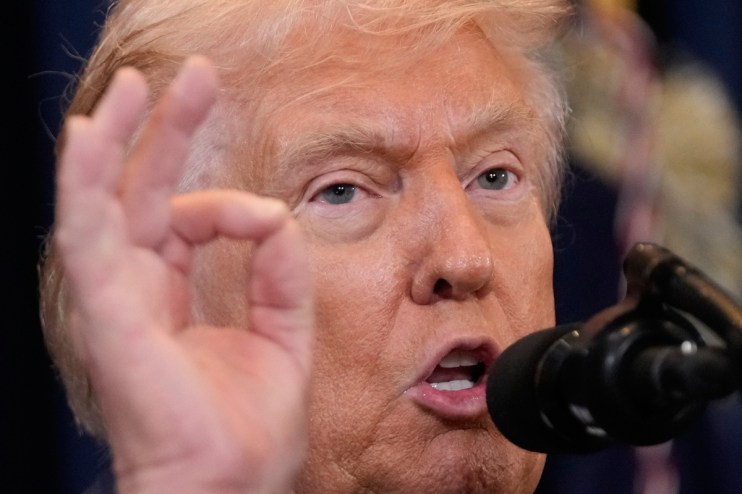
Though perhaps the biggest dramatic turn of the day came from President Donald Trump himself, who declared the war in Iran was “very complete” and “ahead of schedule” in an interview with CBS.
Investors appeared to be listening with US markets quickly dragging themselves out of the red. The S&P closed up 0.8 per cent, the tech-heavy Nasdaq 1.3 per cent and the Dow Jones 0.5 per cent.
We’ll be bringing you all the latest from the markets and more.
Here’s a few of our top headlines from yesterday:
- Iraq make Fifa demand as Iran conflict jeopardises World Cup play-off
- Interest rate hike bets pick up as Reeves consults Bank of England
- Chinese-owned UK chipmaker still awaiting sale after government order
- Rolls-Royce shares slide as FTSE 100 plunges amid Iran war
- Government borrowing costs mount on fears of inflation spike
- Nscale lands $2bn funding amid UK push to grow AI infrastructure
- Nigel Farage invests in Kwasi Kwarteng-backed Bitcoin treasury business
- Global markets warned of ‘biggest energy crisis’ in modern history after oil surge