Could a tourist tax ever work in London?

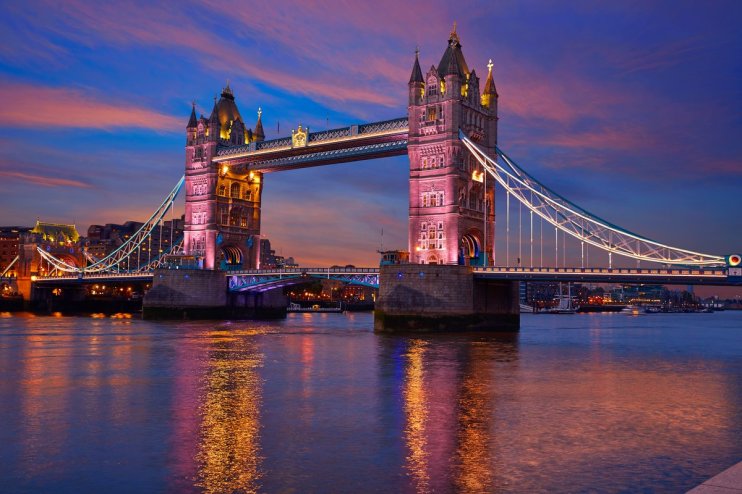
Maybe it’s because I’m a Londoner, but I reckon there are few better tourist destinations. Our city is bursting with history and culture, boasts dozens of plush green spaces and has more Michelin Stars than New York. Should people pay to get in?
Ours is one of the top cities on earth to visit, but visiting doesn’t have to cost the earth. Maintaining the capital’s museums takes a combined £1bn annually, but unlike in other parts of the world, tourists aren’t charged for tickets. A British couple going to the Museum of Modern Art in New York faces a $60 entry fee – while an American couple at the V&A don’t have to pay a penny.
Much of London’s infrastructure is creaking. A large share of the capital’s rail stock still lacks air conditioning, a fact felt especially keenly this time of year, while carriages are becoming tired, shabby and graffiti-addled.
At 53 years of age, the tube’s Bakerloo Line trains are the oldest in operation in the UK. As they jerk and sputter through Piccadilly Circus, it’s hard not to feel they are one loose screw away from falling apart, like a poorly assembled Ikea cabinet. But conscious of the regional backlash, our national leaders, from Rishi Sunak to Rachel Reeves, don’t want to be seen to hand big cheques to Britain’s richest city.
London welcomes more than 20m tourists a year, among the highest of any major global city. A visitor tax of (say) £5 a day, or £20 a visit, could go a long way to raising revenue for the capital without making a dent in the costs of a city break. And the money could go on things like the Central line upgrade, priced at £500m.
London is lucky not to have a phobia of tourists, who rarely get in our way, save for standing on the wrong side of escalators. But in other parts of Europe there is mounting hostility, with protestors marching about brandishing water pistols and ‘go home’ placards. Any similar sentiment in Blighty could be quelled with a hypothecated infrastructure fund, where taxpayers see tangible benefits to sharing their streets with strangers.
The trouble is, hypothecated taxes seldom achieve what they set out to. They invariably end up absorbed into a general pot, their purpose long forgotten. And that is almost certainly the case here, given it is being mooted by our deputy PM, Angela Rayner.
Rayner is reaching for ways to raise more and more taxes for central government, to plug Labour’s swelling fiscal black hole. That is a short-sighted strategy that benefits no one, least of all Londoners. And if that is the plan, it should be opposed.