Future of Bank of England’s Venezuelan gold back in spotlight after Maduro capture

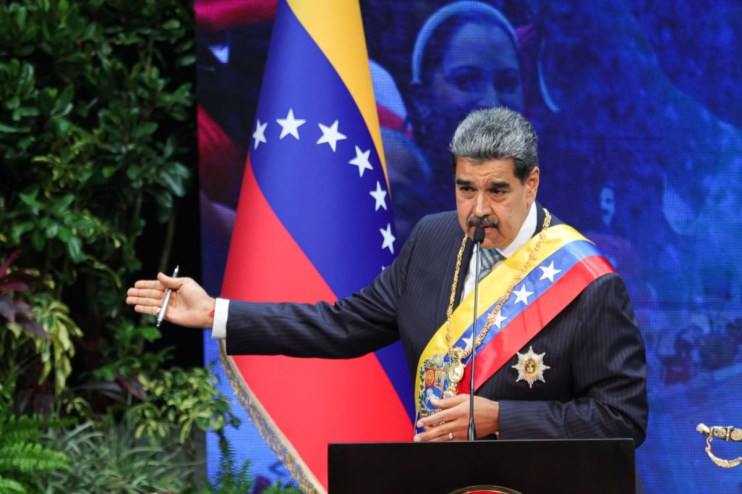
The foreign secretary has signalled the Bank of England will continue to withhold $4.8bn of Venezuelan gold being held in its vaults, despite the dramatic toppling of the country’s autocratic ruler potentially paving the way to the reserves being returned.
Addressing lawmakers late on Monday, Yvette Cooper suggested the government would continue its refusal to recognise the new leadership in Caracas, acknowledging this would likely mean the Bank would continue to withhold the country’s reserves.
Britain’s central bank has stored 31 metric tons of Venezuelan gold in its vaults since 2008. And since 2020, the holdings have been the subject of a bitter legal dispute between toppled President Nicolas Maduro and the Bank of England, over whether the reserves should be returned to Venezuela’s central bank.
The Bank of England has so far refused a string of requests from Maduro for the gold on the grounds that his administration was not recognised by the UK government and those of several other developed economies.
Maduro is accused of rigging two of his country’s national elections, which eventually led to an alternative government being assembled by the country’s opposition leader Juan Guaido between 2018 and 2022. When Guaido was in post, the UK officially recognised him as the country’s head of state, prompting the Bank of England to refuse Maduro’s request, despite the country’s central bank being under his control.
The impasse led to a bitter – and long-running – legal dispute between Maduro and the Bank, with the High Court originally siding with the Bank of England in 2020. That decision was overturned by the Court of Appeal before the Supreme Court overruled that ruling in turn, blocking the return of the gold in 2021.
Maduro arrest reignites Venezuelan gold questions
The capture and arrest of Maduro on Saturday by US special forces had reignited questions over the gold’s fate. Trump’s White House has implicitly approved the appointment of Delcy Rodriguez as the Latin American country’s new leader, despite her playing an integral role in Maduro’s government as the former President’s deputy.
But asked about the future of the reserves in Parliament, Cooper said the government would continue not to recognise the new regime’s authority, which was the primary basis for the Bank of England refusal to Maduro’s requests for his country’s country’s gold reserves to be returned.
“It is important that we have the pressure in place to have a transition to a democracy which is also about the will of the Venezuelan people,” she told MPs late on Monday. “Obviously there are independent decisions for the Bank of England to take but our principles are about maintaining and pursuing the stability and the transition to a democracy and that is what is guiding our approach to recognition.”
The position puts the UK at odds with Donald Trump’s US administration, which has suggested it is open to working closely with Rodriguez providing she heeds American officials’ key demands.
Venezuela’s incoming President has so far struck a conciliatory tone since being sworn in as head of state, telling her first cabinet meeting on Sunday: “We invite the US government to collaborate with us on an agenda of cooperation orientated towards shared development within the framework of international law.”
Rodriguez has not made any specific demands for the reserves in the short time she has been in post. The US State Department has also not publicly confirmed its preference for the ultimate destination of the reserves.
The Bank of England is home to one of the largest gold vaults in the world, and is a popular destination for the reserves of developing economies. Its decision not to release Venezuela’s holdings was fraught, and sparked a string of protests outside the country’s embassy.
The Bank of England declined to comment. The US State Department and UK Foreign Office did not respond to a request for comment.