Iran war takes familiar toll on Britain’s punch-drunk farmers

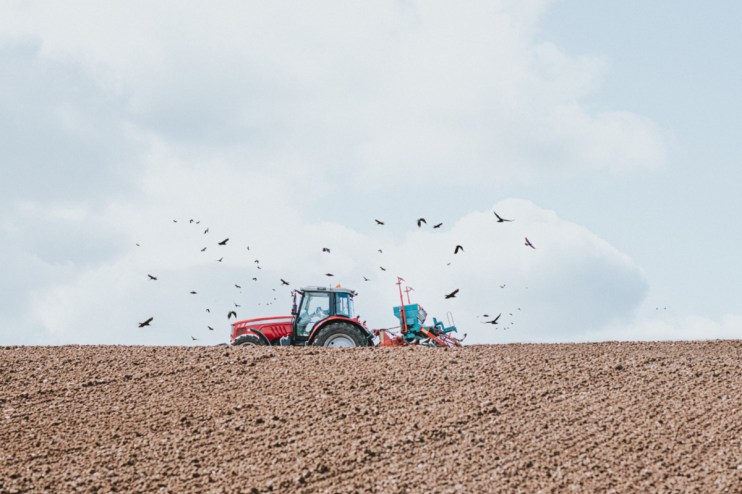
The Iran war has left farmers facing another round of brutal cost rises. With the scars wrought by the cost-of-living crisis only just beginning to heal, many are warning that something will have to give.
The bucolic West Suffolk estate managed by farmer Andrew Blenkiron does not, on appearances, look like a scene ravaged by the effects of a pan-regional conflict. With its idyllic, undulating hills and heathland kissed by the early spring sun, it boasts the kind of chocolate box feel that, if anything, would constitute a perfect refuge from the ugliness of a raging hot war.
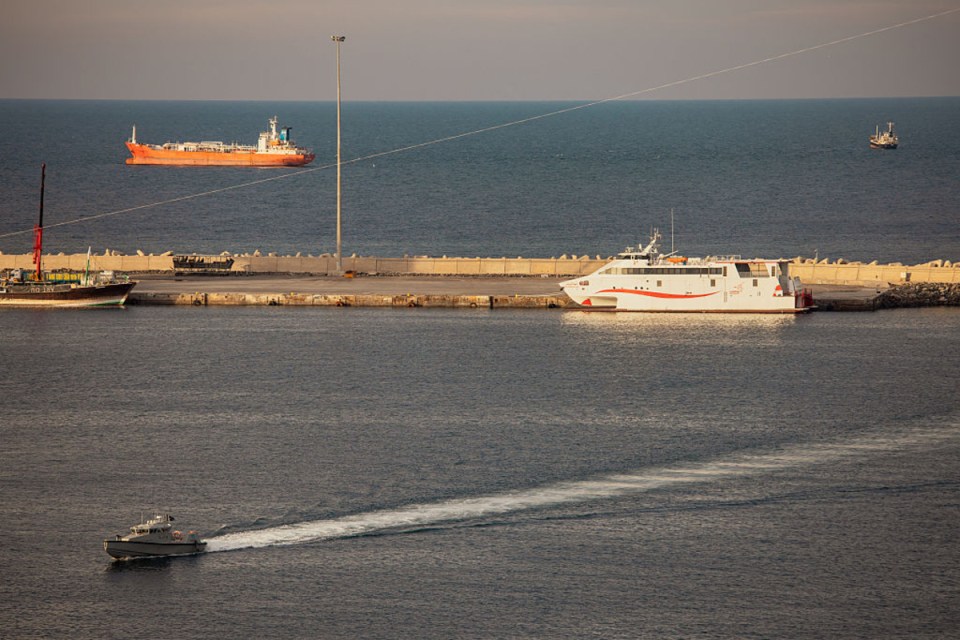
But the talons of the protracted closure of the vital Strait of Hormuz shipping lane – and the energy crisis the blockage it has yielded – have gripped even this most clement of settings, leading to a chorus of warnings that UK’s food security is in jeopardy.
“The present situation is pretty frightening,” Blenkiron tells City AM from his Elvenden Edstate arable farm 30 miles north east of Cambridge. “We use a lot of energy and fuel – either for electricity for storage or to run our fleet of tractors – so everything going on is having quite an impact.”
In an average year, Blenkiron’s farm produces over 100,000 tonnes of cereals and vegetables ranging from potatoes, parsnips, carrots and sugar beet. Its produce ends up on the shelves of Britain’s supermarkets, in the bags of UK-produced sugar, and is deep fried in McDonald’s branches up and down the country.
And from pumping water around the farm to water its vast of crops, cooling its many storage facilities, or filling up its diesel-guzzling army of industrial-sized tractors, producing such vast output takes energy, electricity and a lot of fuel.
The outbreak of war in Iran, the arable farmer says, has made all of that considerably more expensive. But it is the cost of red diesel – and fears of its supply – that have proved particularly painful.
“Last week, it was costing us an extra £1,500 a day just for the increase in diesel,” he recalls. “And that’s before you even count anything else.”
The choke-hold that Iran – and now the United States – have had over shipping out of the Persian gulf has led to the largest single-month rise in the price of oil. Brent crude – the international benchmark – climbed over 50 per cent in March, and has remained above the symbolic $100 per barrel milestone for much of the war. But after the conflict crippled much of the Middle East’s refining plants, price rises processed fuel markets – like jet fuel, petrol and diesel – have been even more extreme.
Farmers face diesel crisis
Since the eruption tensions, red diesel – the specific type of fuel used by tractors and other heavy machine – has doubled from 66p per litre to 123p per litre, forcing farmers across the country to rip up their budgets for the year.
“We’re looking and thinking, ‘how long will it go at this price?’ Blenkiron says. “And our projection is it’s going to cost us, probably, £400,000 more for this calendar year assuming it will drop to a pound a litre by the end of April.”
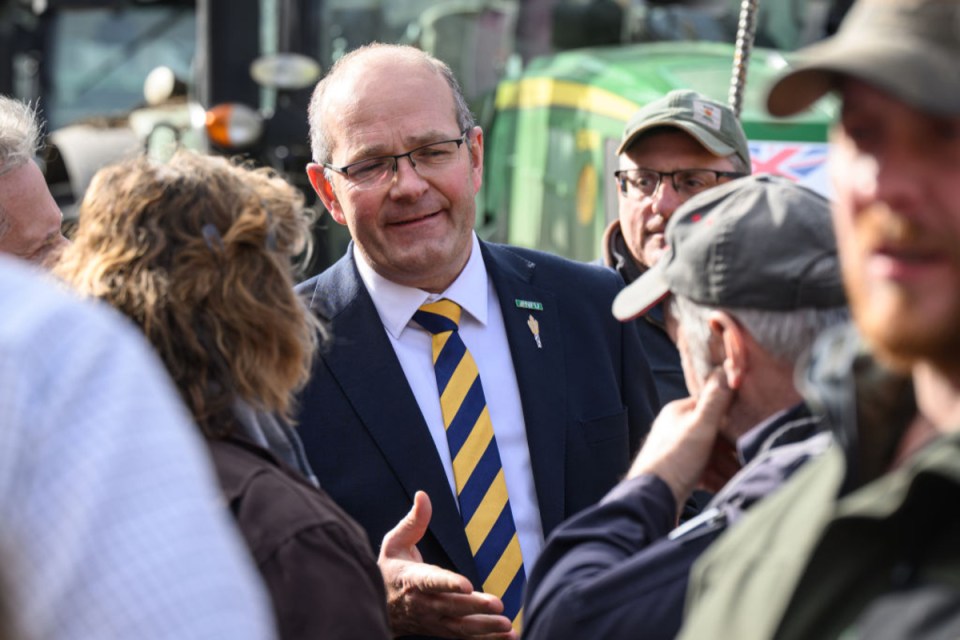
According to National Farmers’ Union president Tom Bradshaw, the Blenkiron’s predicament is one being faced by those responsible for feeding the country across the UK. And to make matters even more challenging, often the extent of the cost rises can take them off-guard.
“Farmers and growers are having to shoulder increased costs of fuel and fertiliser, often only being made aware of the price they will pay once products have been delivered onto farm,” he says. “Meanwhile, many horticulture businesses face a double whammy with the surging cost of heating glasshouses, combined with the large increases to their standing charges for energy use which have now come into force.”
The grave situation has spawned a wave of warnings that food inflation on a similar scale to when Russia launched its full-scale invasion of Ukraine will rear its ugly head. According to the Food and Drink Federation, come September shoppers can expect their weekly shop to be 10 per cent more expensive than the same time last year, as supermarkets push price rises onto customers.
But the sort of long-term contracts signed by large-scale farms Blenkiron signs with his customers, mean that, he finds himself in a bind. Facing diesel twice the price looking down the barrel of months of higher energy bills – something will have to break.
Fertiliser fortune
In fertilisers, some farmers have a rare – and unlikely – silver lining. When Russia invaded Ukraine prices for the agricultural essential skyrocketed, leaving deep scarring on British farms’ financial viability. Both Russia and and Belarus boasted a stranglehold on the supply of staple fertilisers like like Muriate of Potash, the price of which rose 53 per cent after its supply was choked off thanks to the sweeping sanctions imposed on both states.
The production of the nutrient-boosting supplement is also highly energy intensive. The nitrogen on which most are based tends to be produced using vast quantities of natural gas, meaning other types were also carried higher by the invasion’s choking effect on energy markets.
The parallels with the current conflict are obvious. Not only has the Middle East war led to a similar natural gas price shock, but the Strait of Hormuz is also a key artery for the trade key fertiliser ingredients, from ammonia to nitrogen, hikes to fertiliser. According to the Agriculture and Horticulture Development board, most fertiliser prices have jumped by more than 25 per cent in the past six weeks, with costs still trending upwards.
Somebody is going to have to bear this cost somewhere down the line. These sort of things can only go on so long.
But, says Blenkiron, the whims of Donald Trump and Vladimir Putin mean farmers are more inoculated to those sudden price jumps than they were four years ago. Thanks to Trump’s decision to launch his first round of strikes in late February, as opposed to the Russian President’s late January invasion, most large-scale British farms had already secured their fertiliser supplies for the year.
“Peak nitrogen fertiliser usage is March and April, so most people have got their stock already,” he tells City AM. “Even that three weeks was just enough to mean we were on the right side of it this time.”
But that narrow escape comes as little consolation to an industry that, Bradshaw says, is “under immense pressure” from the turmoil in oil and gas markets that is unlikely to vanish from sight with the signing of any ceasefire deal.
And for all supermarkets’ insistence that the round of prices rises set off by this war will not be on the same scale as in 2022, according to Blenkiron something will eventually have to give for farmers across the country.
“Somebody’s gonna have to bear this cost somewhere on the line,” he says. “We have obviously got used to handling the volatility of market prices we absorb an element of it – but these sort of things can’t go on for too long before you really need to pass the cost on.”