Bank of England: UK economy risks ‘large and overlapping’ shocks

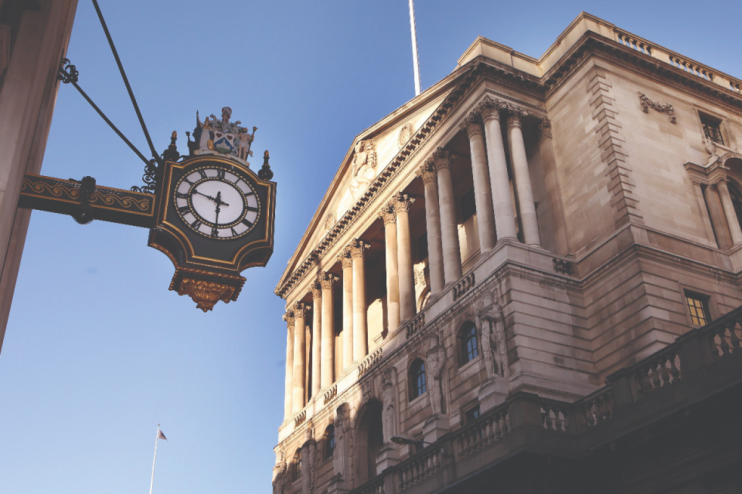
The Bank of England has issued a major warning that the financial system is facing increasing risks of “large, frequent and potentially overlapping shocks” amid the volatility from the Middle East war‘ and ongoing market risks’s impact on energy and global markets.
In the latest meeting of the central bank’s Financial Policy Committee top officials warned the implications of the conflict were “likely to interact with vulnerabilities” in the UK economy.
“The financial system has been resilient so far. However, the shock will weigh on growth, increase inflation and tighten financial conditions,” the Bank said.
The committee listed ongoing risks to the financial system as the “stretched” valuations of artificial intelligence stocks and “risky credit markets, notably in private credit”.
“The global environment more broadly was materially more unpredictable as a result of the conflict, increasing the likelihood of large, frequent and potentially overlapping shocks, and episodes of intense market volatility.”
Rising tensions across the Gulf have come when “global risks were already elevated,” the Bank said. As a result of this, the committee said around 1.3m more UK households would face a jump in their mortgage costs following the outbreak of war.
The Bank noted that uncertainty caused by the war has resulted in banks pulling about 1,500 mortgage products, with many raising interest rates on their remaining mortgage products in recent weeks.
Bank of England: ‘UK economic outlook has deteriorated’
Prime Minister Sir Keir Starmer warned on Wednesday that he “had to level” with the British public that the impact of the current turmoil in the economy “would not be easy”.
It comes after senior leaders from global energy companies and retailers warned that attacks on energy infrastructure in Iran, Qatar and Kuwait, as well as the blocking of the Strait of Hormuz, could set global economies up for a major supply crisis.
The Bank of England said on the domestic front the “economic outlook has deteriorated, increasing pressure on UK households and businesses”.
Rachel Reeves has confirmed an energy support package that would be targeted at “those who need it most” as she took a jab at the universal support package rolled out by the Conservatives that cost around £40bn.
But it comes as spiralling oil and gas prices have already led to major spike in the Ofgem energy price cap, which is set to leap 18 per cent after June.
Analysts have warned the effects of the war will “persist” even if the conflict is ends soon.
Equity markets have surged and oil prices have fallen as Donald Trump floats the end of hostilities, however it is “not guaranteed” that markets would settle at levels seen before the conflict, according to Thomas Mathews from Capital Economics.
“For a start, energy prices would probably remain high,” he said, adding: “Higher energy prices would remain an economic drag, which would contribute to keeping major equity indices from immediately returning to their previous highs,” he added.
Other risks on the horizon
Elsewhere, the Bank returned to warnings it has previously issued around the “high risk” AI bubble.
“Risk premia in global equity and debt markets remain compressed by historical standards, heightening the risk of a sharp correction if macroeconomic conditions worsen,” the committee said.
It added some of these risks had been illustrated by selling pressure on AI hyperscalers earlier in the year, which reflected “concerns about increasing debt-financing needs and whether expected returns on very significant AI-related investments would materialise”.