£40bn to restore Parliament? Maybe Guy Fawkes had the right idea…

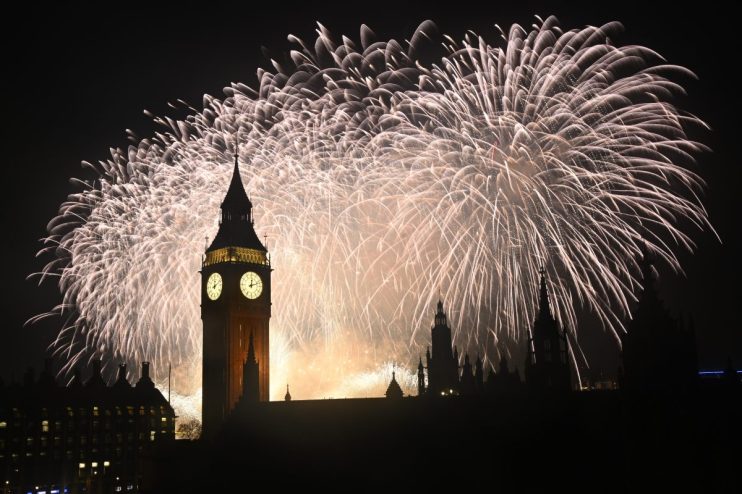
The reported £40bn cost of refurbishing the Palace of Westminster is not a serious proposal – it’s a distraction designed to outrage, writes James Ford
We are all familiar with the Goldilocks principle of restaurant wine lists. Every wine list is part marketing ploy, part social gauntlet and pure psychological trickery. It is designed to make us pay a bit more for a bottle of wine with dinner than we planned, wanted or needed to. Obviously, we are never going to order the eye-watering premium vintages – a Petrus or a Chateau Lafite Rothschild – which would require a second mortgage. But nor are we going to allow ourselves to order the cheapest house red either. Not just because we know it will be the nastiest, most acrid plonk but, more importantly, it will make us look cheap. So, instead we will go for the second cheapest wine; one or maybe even (if we are feeling truly flush) two spots further down the wine list. Something barely quaffable but still cost-effective. Everybody – you, your date, the snooty sommelier – knows precisely what is going on. But we all smile and say nothing.
Well, it may surprise you to learn that the Restoration and Renewal Delivery Authority – the people charged with overseeing repairs to the Houses of Parliament – are currently pulling the same trick on us that the snooty sommelier does. Hence why papers have been filled with reports that the restoration of Parliament could cost £40bn and take 61 years. The public are never going to sign off on paying £40bn to replace a building that both Guy Fawkes and the Luftwaffe attempted to demolish for free.
This is the Petrus option for repairing Parliament. You can buy a lot of things for £40bn. For example, £40bn would buy you three Vanguard nuclear submarines (plus change), pay the annual salary of every nurse in the NHS for two and half years, or fund the Met Police for a decade. You could stage the Olympics twice… or even reverse all the tax rises in Rachel Reeves’s first budget as Chancellor. (You could even buy more than 8,300 bottles of 2015 Chateau Petrus at retail prices).
The £40bn option is designed to anger and outrage us. It only exists to steer us towards something else; something more reasonably priced. Like the ‘full decant’ option which would see MPs and Peers move out of the building for up to 24 years from 2032. This cheaper option costs just £15.6bn (equivalent to just a little more than one nuclear submarine). In restoration wine list terms this is a New World Malbec.
Monuments to false economy
Whilst we don’t want to pay champagne prices, nor are we going to opt for the refit equivalent of a bottle of Barefoot or Yellowtail: abandoning Parliament entirely and starting again. Londoners do not need to look far to find examples of political buildings that have become monuments to false economy. If you stand on the terrace of Parliament and look east you can see County Hall, the Edwardian Baroque masterpiece that housed London’s government for 64 years. Now, of course, it is a hotel, offices, aquarium and even houses the London Dungeon. Whilst County Hall’s successor, the old City Hall, was a thoroughly impractical office to work in (there were mice, the windows couldn’t be properly cleaned and the assembly chamber took up a third of the total floor space), it was at least similarly ambitious and iconic; a grand, glorious glass gonad. The grotty, soulless shed in the Royal Docks that London’s government decamped to is a warning of what happens when penny-pinching takes precedence.
Would we really be happy if, at some future date, the London Dungeon moved into a sold-off Palace of Westminster? How would we feel if the House of Lords became a Wetherspoons called The Woolsack? And what if the Commons chamber – which once bore witness the speeches of Wilberforce, Gladstone and Churchill – was used to host ‘immersive theatre experiences’ like the council chamber of County Hall now is?
Nobody wants to be on the same side of history as a sectarian terrorist like Guy Fawkes or a war criminal like Hermann Göring. Nor can we allow the globally recognised emblem of British democracy to be a shabby, crumbling ruin overrun by rodents, flooding frequently and currently costing £1.5m a week just to maintain. An estimated 30m people a year are drawn to the Westminster area just to look at and photograph the Elizabeth Tower (or ‘Big Ben’ as tourists erroneously call it). If we do not value and venerate our Parliament, then how can we claim to respect the democratic ideals that it symbolises? Of course we must repair, refit and restore the Palace of Westminster’s faded glory, but we need not bankrupt ourselves doing so.
James Ford is a former adviser to Boris Johnson during his time as Mayor of London