Starmer urged to ‘be honest’ about tax plans as business confidence slumps

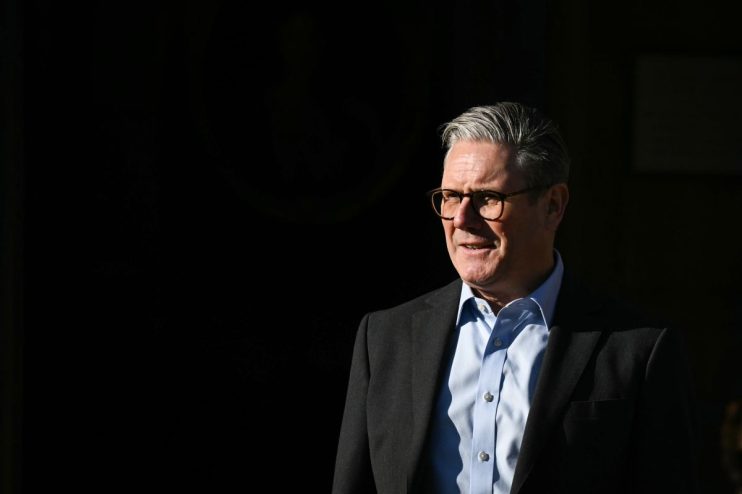
Business confidence has slumped to a three-year low as a “cocktail of costs” including higher taxes and tariff threats pour cold water on Keir Starmer’s claims of rising corporate optimism.
The prime minister told MPs on Wednesday afternoon that business confidence had hit a nine-year high, citing a recent Lloyds Business Barometer, which typically reveals a more optimistic view than other surveys.
But the Institute of Chartered Accountants in England and Wales (ICAEW) has suggested otherwise, warning “sky high tax worries” and a weak domestic economy are treading on business owners’ morale.
Its business confidence monitor index was minus 4.2 in the second quarter of the year, the weakest reading since the aftermath of Liz Truss’ mini-budget and the fallout of Russia’s full-scale invasion of Ukraine, which radically increased gas prices.
The hefty tax burden was cited as a concern for more than half of 1,000 accountants surveyed, with respondents saying they were more worried about further tax rises later this year.
City analysts have predicted that Chancellor Rachel Reeves may have to raise as much as £30bn later this year.
Starmer ruled out hikes to income tax, national insurance and VAT but declined to comment on introducing a wealth tax or extending a freeze to income tax thresholds.
The prime minister thanked businesses for shouldering the burden of last autumn’s tax rises at a conference last month.
Confidence damaged by trade turmoil
ICAEW chief executive Alan Vallance warned the latest set of data, which also showed that more firms were fearful of low consumer demand in the coming months, was a “stark reminder” that businesses had been damaged by Chancellor Rachel Reeves’ historic £40bn tax raid last autumn.
“A cocktail of costs, including the national insurance rise and global instability, has made life especially difficult for businesses across the country, particularly exporters.
“Constant rumours will only serve to destabilise businesses, so we urge the government to be honest about their plans, to give companies the opportunity to plan ahead and weather the storm.”
ICAEW’s survey also pointed to a decline in employment expectations and export sales, both dropping to their lowest level for around five years.
A separate survey of small and medium-sized businesses (SMEs) by the British Chambers of Commerce showed that more than a quarter (28 per cent) of firms had already seen a decrease in export orders.
Researchers said efforts to expand overseas was an “uphill grind” for SMEs, with the UK’s recent trade strategy showing promise in removing some barriers.