Reeves urged to unfreeze income tax or risk entrenched damage

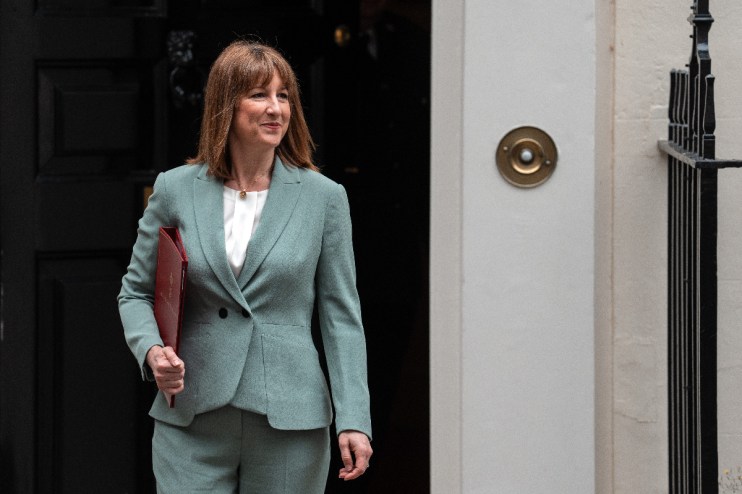
Rachel Reeves has been given another stark warning of the implications of extending the freeze on income tax thresholds.
The Chancellor has vowed to not repeat the scale of tax rises in last year’s autumn Budget, but has not addressed whether she will stand by her promise to unfreeze income tax thresholds from 2028.
Reeves has sidestepped questions regarding a freeze extension, but analysts have urged her to consider the ramifications of the policy.
“The longer it’s left, the more damaging and entrenched it becomes,” said Rachael Griffin, tax and financial planning expert at Quilter.
Griffin noted that four years of fiscal drag had left the Treasury “increasingly reliant on the quiet revenue boost”.
“Reversing that would come at a significant cost, particularly with pressure on public services and spending already high.”
Economists have already warned Reeves’ £190bn Spending Review could open a £23bn shortfall if growth figures continue to manifest poorly.
Shadow Chancellor Mel Stride had dubbed the Chancellor’s splurge a “spend now, tax later” policy.
This led to spiked concerns Reeves would deploy income tax – often dubbed a “stealth tax” – as a quiet aid to continue cash flow from that receipts, rather than risk widening the gap.
The higher rate threshold, 20 to 40 per cent, has been frozen at £50,270 and an additional rate, 40 to 45 per cent, at £125,140.
If this is upheld, up to 1.9m workers are expected to fall into higher brackets by 2030 with bands out of pace of inflation.
More taxpayers to join higher rates
The rate is set to ramp up its tax receipt contributions in the coming year with over seven million workers expected to fall into the higher threshold – marking a 40 per cent jump.
This follows research from think tank the Resolution Foundation revealing domestic policies such as higher council taxes and the fiscal drag endued by the “stealth tax” were damaging British families’ financial prospects.
The think tank estimated typical income will “remain essentially unchanged” over the 2020s, which would make the decade the worst in 60 years.
Griffin said: “The Treasury has grown hooked on the tax revenues this freeze generates, and like any addiction, it may prove difficult to kick even when the damage becomes clear.”
Over 39 million people are expected to be paying income tax by 2025/26, up from 34.5m just three years prior.
“Many more people are now finding themselves caught in the so-called £100,000 tax trap, where the system can feel particularly punitive,” Griffin added.
“The cumulative effect is a system that can actively disincentivise progress and dampen ambition at precisely the point where people should be encouraged to advance.”
A Treasury spokesperson said: “This government inherited the previous government’s policy of frozen tax thresholds. At the Budget and the Spring Statement, the Chancellor announced that we would not extend that freeze.
“We are also protecting payslips for working people by keeping our promise to not raise the basic, higher or additional rates of Income Tax, employee National Insurance or VAT. That’s the Plan for Change – protecting people’s incomes and putting money into people’s pockets.”