World Cup final half-time show has been coming, but Fifa must be careful

For a very long time, the World Cup final has needed no additional entertainment. The match was the spectacle. The players, the history and the occasion were enough.
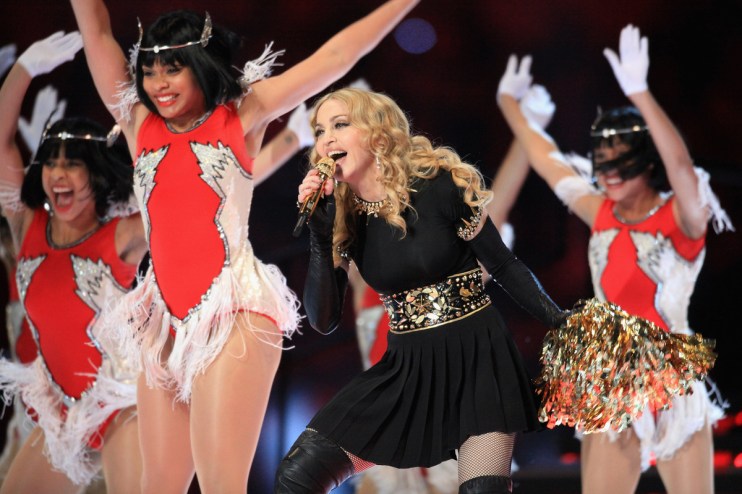
That is why Fifa’s decision to stage the first World Cup final half-time show has made me and plenty of others feel a bit uncomfortable. Madonna, Shakira, BTS and Justin Bieber will headline what has been billed as an 11-minute performance in New Jersey on Sunday with Burna Boy, Gustavo Dudamel and the PS22 Chorus (featuring Coldplay – of course!) also appearing.
My view is simple. Football may not need a half-time show, but the decision tells us something important about where the global game now is.
The biggest sporting events are no longer competing only with one another. They are competing with streaming platforms, music, gaming, creators and every other form of entertainment fighting for our time. The modern fan doesn’t separate sport from culture as neatly as previous generations did. A supporter may follow a club, an artist, a label and a streamer with equal intensity.
Fifa president Gianni Infantino understands that the final is not merely a match. It is one of the few genuinely global moments left. A live programme capable of bringing billions of people together at once. The commercial opportunity is much larger than selling sponsorship around 90 minutes of football. It is about turning the entire occasion into a global entertainment property.
The line-up gives the moment enormous scale. Madonna offers cross-generational recognition, Shakira has a long-standing association with the tournament, BTS brings one of the most powerful international communities in entertainment, Bieber adds another large global audience, and Burna Boy gives the performance further cultural reach.
This is not simply booking some famous musicians; this is audience architecture. Each artist brings a different geography, generation and fandom into the game.
World Cup half-time show: landmark or gimmick?
Fifa needs to be very careful. Football cannot simply copy and paste the Super Bowl case study. The World Cup has its own traditions and emotional baggage. The show must complement the final rather than make the football feel like the supporting act.
Eleven minutes may sound brief, but any interruption risks irritating the supporters if it feels contrived or excessively commercial. Pauses in play are rarely popular in football, as the hydration breaks have shown us this summer. Football fans, unlike American football fans, aren’t used to breaks and half-time is often used for a pee, pint or fag break.
Authenticity will decide whether this becomes a landmark or a gimmick. The performance needs to feel genuinely international, respectful of football culture and connected to the purpose it claims to support. I also think the supporters of teams in the final may dictate how the spectacle is received and whether it’s repeated.
Sponsorship can no longer consist of putting a logo beside a famous event and expecting people to care. Audiences respond to entertainment, participation and Instagramable moments. The brands that win will create something that contributes to culture rather than merely borrowing attention from it.
This is the direction in which football has already been moving: clubs becoming media businesses, players becoming creators, and matches becoming platforms for entertainment, fashion and music.
This show will not please everyone, and nor should it. Big cultural moves rarely do. But it recognises a commercial reality. The World Cup’s scale is extraordinary, yet scale alone does not guarantee relevance.
The game will always be the main event. The opportunity is to build a wider cultural moment around it without diminishing what happens between the nations in the final.
Simon Dent is an entrepreneur and brand builder with more than 20 years’ experience across sport, entertainment and the creative industries.