Why high oil prices could plunge world into recession by the summer

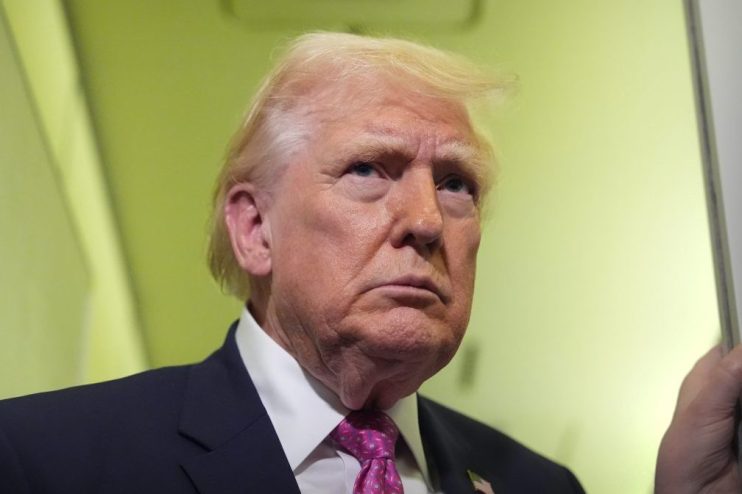
The world economy is heading for a “rare” recession in the middle of this year as a prolonged war seems likely amid the prospect of US troops heading to the Middle East.
Economists have warned that activity will fall in the middle of the year if oil prices surge to $150 per barrel and remain there for a period of four months.
Oil prices continued to climb higher on Monday morning as the Brent Crude benchmark raced past the $116 per barrel mark amid mixed messages between the US, Israel and Iran on the state of the war.
It is the highest level the price of oil has reached since war in the Middle East erupted at the end of last month.
Officials in Israel and the US have raised the prospect of a ground war could being launched within days. President Donald Trump said he was considering an invasion of Kharg Island, which accounts for the vast majority of Iran’s crude oil exports.
Reports across US outlets have detailed plans for a military operation that could take several months.
The involvement of Houthi militants near Yemen, which is another proscribed Iran-backed group, is also adding to trade tensions given shipping flows across the Red Sea are under greater threat.
City analysts have noted that Trump’s words about the war were being taken with a pinch of salt as mounting fears of fuel shortages could lead to to crude pieces hitting $150 per barrel within weeks.
World economy set for surge in inflation
Oxford Economics’ director of global macro research Ben May has predicted there would be a contraction in the US economy this year before a recovery in 2027.
May also warned that European and Asian economies would suffer a bigger hit to GDP.
The world economy could face a hit of around two percentage points compared to previous growth forecasts, making countries just two per cent richer altogether this year.
Global inflation would also rise to 7.7 per cent this year, near the peak seen in 2022.
World economies could also suffer from “critically low levels” of oil supplies while diesel shortages could lead to food prices spiking and transport connections coming to a halt.
Shortages in aluminium, sulphur, naphtha and helium would also damage key semiconductor, manufacturing and fertiliser industries.
“The speed and scale of this energy shock push us into uncharted territory, and it’s possible that diesel, jet fuel, and shipping fuel shortages could inflict greater damage to activity this year,” May wrote.
“Although activity would likely rebound more quickly too, the additional disruption could also trigger greater supply chain pressures, and thus higher and stickier core inflation.”
The UK economy is expected to be more heavily affected than other countries due to its reliance on imports for key goods and recent woes in dealing with price growth and productivity.
Economists at the OECD, the Paris-based think tank, said the UK economy would suffer the second lowest growth this year in the G7 while also having the second highest level of inflation.
Sir Keir Starmer is holding a meeting with key banking, energy and military officials on Monday to discuss the possible impact of shortages for businesses and households across the country.