Vattenfall energy portfolio poised to be snapped up by private equity firm

Swedish energy giant Vattenfall is poised to offload a portfolio of its British assets to private equity firm Reinova in the latest step in its retreat from the UK, City AM understands.
The conglomerate, owned by the government of Sweden, is set to sell three of its heat network businesses to London-based Reinova Capital for a price tag estimated at hundreds of millions.
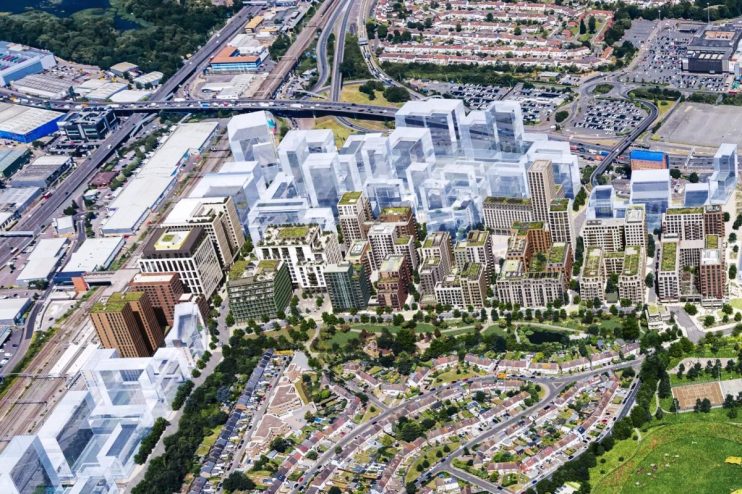
This includes Bristol Heat Networks, part of a billion-pound project to install low-carbon energy across the city of Bristol; Midlothian Energy, a joint venture aimed at harvesting waste heat from recycling centres in Scotland; and Vattenfall Brent Cross, a heat network set to power the £8bn Brent Cross Town mega-development underway in north London.
Reinova partners declined to comment. A Vattenfall spokesperson said: “Vattenfall began an ownership assessment of its UK district heating business in March 2025, and that assessment is ongoing.”
UK energy sell-off
It comes after Vattenfall offloaded its UK electricity distribution business to Octopus in November last year. The energy giant also sold its UK electric vehicle network to Norwegian state-owned energy firm Statkraft in 2020.
Reinova Capital was launched at the beginning of last year with a focus on energy transition infrastructure. It was founded by Harvard graduate John Stinebaugh and University of Waterloo graduate Ralf Rank, two former senior executives at Brookfield, the $1 trillion Canadian asset manager.
Reinova launched a Dublin-based onshore wind business, Lirion Power, in May last year, and in December unveiled plans to raise $800m-£1bn for a fresh fund targeting energy transition assets in Europe and North America.
Vattenfall, which is currently building a 77 MW onshore wind farm in Aberdeenshire, last year said it had begun “assessing ownership” of its heat operations across Europe, including in the UK, Sweden and the Netherlands.
“District heating is an important part of the energy transition,” Vattenfall said in a statement last year.
“However, given the large capital investments required, Vattenfall must prioritise its activities carefully, also taking into account the need for fossil-free electricity generation like wind and nuclear power, as well as distribution and storage solutions to meet future energy demands.”