US warns 15 per cent tariffs to come this week

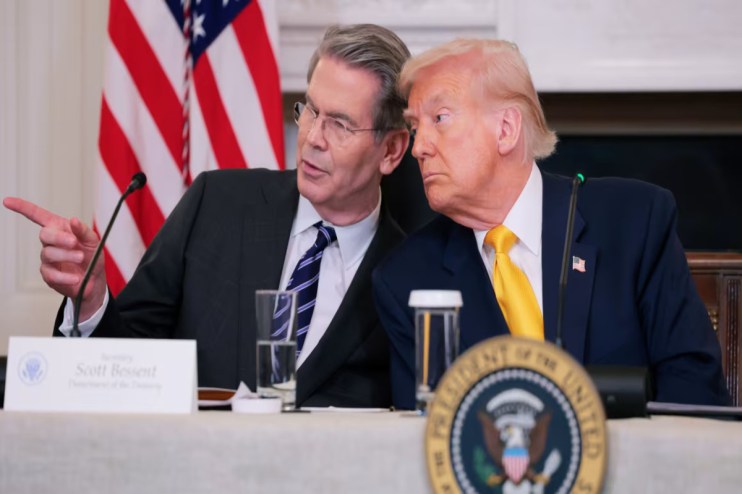
US treasury secretary Scott Bessent has warned that the administration’s plans for a higher universal 15 per cent tariff could come into effect this week.
Bessent said the new baseline tariff rate would come in “likely some time this week” in an interview on Wednesday.
The US implemented its 10 per cent tariff rate last month, hitting imports from several countries including the UK.
The US administration said it would raise the baseline tariff to 15 per cent after a Supreme Court ruling threw out the president’s tariff regime applying varying rates to different countries given he did not run the trade package by Congress.
In an interview with CNBC, Bessent also said US tariff rates would fall back by August as the US looked to find ways of being more flexible with the tax regime.
“It’s my strong belief that the tariff rates will be back to their old rate within five months,” the Trump official said.
“They have survived more than 4,000 legal challenges. They are slower moving, but they are more robust.”
Markets react to tariff update
The S&P 500 and the Nasdaq 100 slipped slightly after Bessent’s early morning comments in US time. The FTSE 100 and the Euro Stoxx 50 continued making a recovery after heavy falls amid the crisis in the Middle East.
XTB market analyst Kathleen Brooks said: “This is having a minimal impact on markets for now, but it is worth watching.”
The UK government previously said it expected exporters affected by tariffs to see the rate remain at 10 per cent, as agreed in a trade deal last year.
Extra perks for carmakers and aerospace firms were also expected to remain in place.
The British Chambers of Commerce warned that, should the UK be hit by a higher baseline tariff level, the UK economy could face a hit worth up to £2bn.
The EU said it expected to avoid the planned tariff rate given assurances it would remain on the 10 per cent rate.
Economists will be closely looking out for developments in tariff rates set for different countries and the impact it could have on global demand and trade diversion.
Bank of England member Alan Taylor has suggested that trade diversion from China was lowering the rate of inflation in the UK.