UK tax regime is forcing pubs to raise pint prices

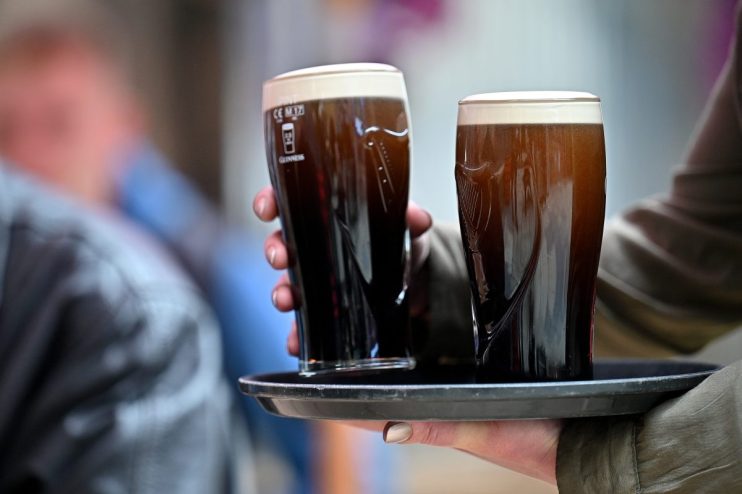
Pubs do not want to raise prices, but endless tax pressures are giving them little other choice, writes Emma McClarkin, CEO of the British Beer and Pub Association
London’s pubs are woven into our national story. They are places Dickens wrote about, where The Rolling Stones, David Bowie, Amy Winehouse and countless other musicians launched their careers, and are tourist destinations in their own right: The George Inn in Borough; Cheddar Cheese on Fleet Street; The Spaniards Inn on Hampstead Heath; The Grenadier, Belgravia, to name but a few.
London’s approximately 3,500 pubs are vital democratic spaces where people of every background can rub shoulders. They are also economic engines and a social glue. Every ‘village’ in London has its local – often many more than one – which is cherished and bragged about by its regulars, with each fulfilling a different but crucial role.
One might offer open mic nights, another does a cracking Sunday roast and another has the best quiz night. Others are quiet retreats where people meet for a chat or to read a book by the fire. All should be treasured but instead they are being slowly but surely legislated and taxed out of existence.
Before the Budget, we predicted a quarter of UK pubs could close over the next decade if there wasn’t meaningful change to the cost of doing business. Last year we saw more than one every day shutting their doors for good, at a cost of more than 4,500 jobs.
This is not an inevitability driven by an industry not doing well – we know that trade is good and people value their local – rather, it is the direct result of political choices over many years.
The taxes punishing British pubs
UK beer duty is almost three times the EU average – a staggering 12 times more than Spain and Germany – and brewers face a £120m Extended Producer Responsibility bill (burdening them with punitive recycling taxes). When the cost of employing staff and complying with red tape continue to rise and most of the money going in the till comes straight back out again in bills and taxes, closure becomes inevitable.
They are not faceless corporations, they are run by industrious publicans – hard workers trying to earn enough each week to pay staff, suppliers and the taxman. On a £5 pint, a publican may make 12p, having given more than £1.50 to HMRC, with the rest going on costs.
What these pubs need urgently is a tailored reform of business rates. In the immediate term, a pub-specific business rates relief would help keep closures at bay and give breathing space in the coming years. Longer term, we need change that permanently and fully addresses the disproportionate burden the pub sector continues to pay and that recognises their unique social and economic value to local communities.
Cutting draught and packaged beer duty, instead of increasing it again, would also move us closer to European norms and help offset spiralling costs. VAT rates for pubs and hospitality should also be revisited.
This is not a handout. It is a strategic investment in a sector that supports 1m jobs, contributes £34bn to the economy and pays £18bn in tax. Yet pubs make up over two per cent of all business rates while accounting for just 0.5 per cent of national turnover, extracting an estimated £500m more each year than the sector’s fair share.
Last April, the average price of a London pint rose above £6 for the first time, hitting £6.06 – a pound more than the national average. Publicans do not want to raise prices, especially when customers are already stretched, but they have little choice.
For some time, we have been racing towards a cliff edge created by rising costs and a sharp cut to business rates relief. For pubs, which are labour-intensive and operate on wafer-thin margins, the impact is severe.
I am hopeful that the government seems to be in listening mode. They have heard loud and clear how worried the sector is, and we hope they will introduce fair, impactful reforms and action that can keep London pubs thriving, people in jobs and remain part of our great capital.
Emma McClarkin is CEO of the British Beer and Pub Association