The Highland tourist tax: Is Scotland pricing out whisky tourists?

The latest available data from the Scottish Tourism Economic Activity Monitor in Scotland (STEAM) shows that between 2012 and 2024, visitor numbers to the Highlands increased 82 per cent to 9.4m. Spending increased by a similar amount, to £2.1bn. A large share of that is directly linked to the Scotch whisky sector.
You’d think, therefore, Scotland’s policymakers would be doing everything in their power to support and nurture this growth. Sadly, they’re doing just the opposite.
The Highland Council – the largest local government and administrative area in the United Kingdom – has proposed a tourist tax of £5 per room, per night on hotels and short-term lets to help pay for roads and facilities used by tourists. Accommodation providers would retain five per cent of the levy.
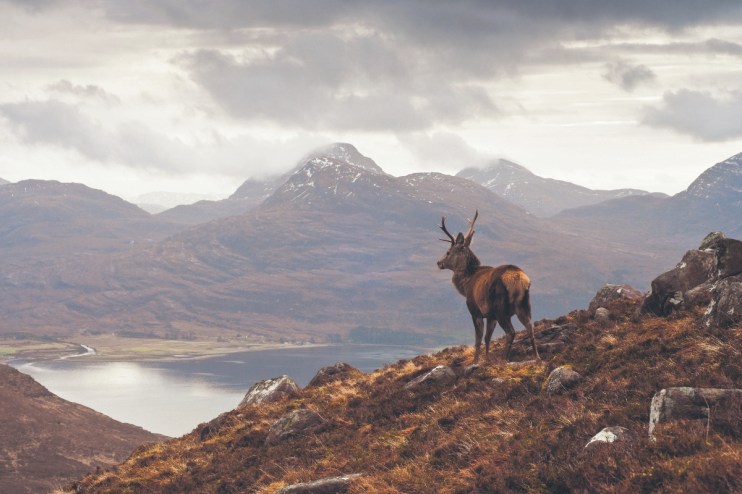
The Highlands are home to some of the most beautiful scenery in the world, not to mention the Scotch whisky industry. Still, as anyone who’s stayed in the region knows, the cost of accommodation is already a barrier to entry for many whisky tourists.
Scotch whisky industry challenges
As someone who’s spent a fair amount of time travelling around the Highlands, sampling the best whisky Scotland has to offer, I know all too well the formidable challenges the industry is having to deal with. Hotel prices in the high season regularly exceed £500 a night, most of which is swallowed up by rising costs.
The beauty of the Highlands is accentuated by the remoteness of many distilleries and hotels, and this remoteness comes with trade-offs. I don’t expect an Uber to arrive in two minutes or a bus every five, as they do in Central London. But for every natural trade-off, there’s a human-made one.
I’ve spoken to hoteliers whose staff physically can’t get to work, either because the bus network is unreliable or because driving is too expensive. And there aren’t enough local workers because in many of these Highland towns and villages, building is almost impossible, restricted by rigorous planning laws and the cost of transporting materials. That’s without taking into account rising employment taxes, alcohol duties and the overall cost of doing business.
Then there’s the cost of getting to the Highlands in the first place. If you don’t have a car, you need to be prepared to pay £300 to take the train to Edinburgh.
If you want to be dropped off in the heart of the Highlands, the nationalised Caledonian Sleeper will cost you £300 one way from London to Fort William. Then there’s the folly of travel to the islands. Loganair has the monopoly on flights, if they’re running, and the issues that plague Scotland’s ferry network are well documented.
A global market
It became clear to me just how much Scotland’s tourist economy is falling behind this year on a trip to Lisbon. A quick, £250 easyJet flight and a £15 Uber took me to the heart of the city and the Locke de Santa Joana hotel, home of The Kissaten, a self-styled ‘Listening Bar’ with 100 bottles of whiskies curated by award-winning whisky writer Dave Broom. Eight hours from door-to-door and a Glenfarclas 25 for under €50. The cost of the room? €250 a night.
A few weeks before, I’d been in the Highlands for a long weekend. The hotel was fine, if a little tired around the edges, but the hotel restaurant was understaffed and always fully booked. The only other option was fish and chips – £40 for two.
For transport, taxis were booked months in advance. That meant buses, when they arrived. The cost of drinks? You’d get more for your money in the centre of the Square Mile.
Plenty has been written about the damage being done to the Scotch whisky industry thanks to the UK government’s regressive approach to taxation. What’s also becoming clear is how policymakers’ approach to everything, from planning, wages, regulation and local taxes, is also damaging what is, by all accounts, a thriving tourism industry across Scotland.
When it’s cheaper and easier for whisky lovers to fly to Lisbon for a few nights than to the Highlands, Scotland and Scotch whisky may have a problem. An extra tax won’t help at all.