Standard Chartered hikes investor returns despite profit miss

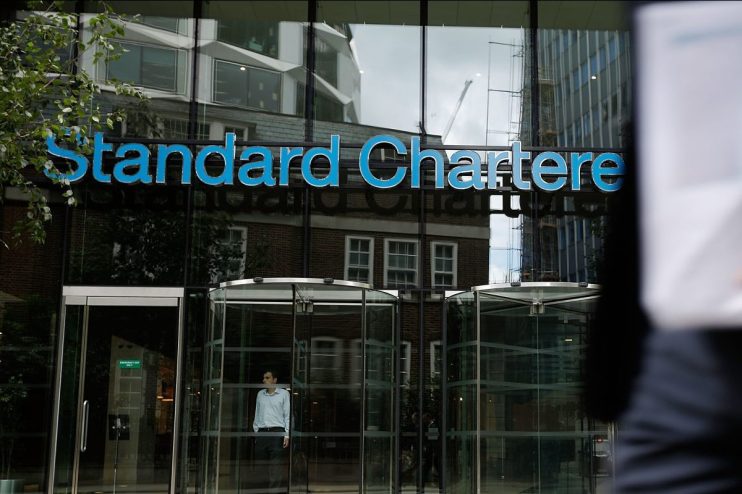
Standard Chartered handed out bumper investor returns following its full-year results despite the London-listed bank missing its profit target pencilled in by analysts.
The Asian-focused lender recorded a two per cent uptick in pre-tax profit to $814m, falling below analyst expectations of $1.1bn.
The miss came as net interest income performed weaker-than-expected, slumping 12 per cent to $1.5bn in the final quarter, despite a one per cent annual rise.
On an annual basis pre-tax profit topped $7bn for 2025, up from $6bn the prior year.
Operating expenses for the year also ticked up four per cent $12.3bn, with the firm pointing to targeted investments for business growth, strategic hiring of relationship managers and higher performance-related compensation for the increase.
Still, wealth continued to be the bank’s standout performer, with income soaring 24 per cent to $3.1bn. Growth was primarily fuelled by a record $52bn in new net money as over 275,000 new affluent clients were on boarded.
Standard Chartered splashes the cash
Despite the profit miss, Standard Chartered still kicked off plans to dish the cash out to investors.
The bank launched a $1.5bn share buyback and introduced a final dividend of 49 cents per share, taking the total dividend for 2025 to 61 cents – a 65 per cent increase from the year prior.
Earlier this month, the lender suffered its worst stock drop in a single trading session since President Donald Trump’s ‘Liberation Day’ tariffs.
The FTSE 100 bank sank six per cent on the news finance boss Diego De Giorgi was exiting the firm to take up a top job at asset manager Apollo.
Standard Chartered’s annual report revealed on Tuesday that chief executive Bill Winters pay packet had swelled to £12.7 million for 2025 after he landed £10.5 million in bonuses and share awards.
Giorgi was credited with being the driving force behind Standard Chartered’s ‘Fit for Growth’ program.
The plan was introduced in 2024 kicked off a three-year transformation with the aim to simplify, standardise and digitise the lender’s operations and reduce expenses by near $1.5bn in three years.
Giorgi’s departure has raised questions over Winter’s line of succession, who currently serves as the longest-running chief executive of a major UK bank, after many analysts had viewed the former finance chief as a top contender.