Shell eyes profit windfall from surging fuel prices

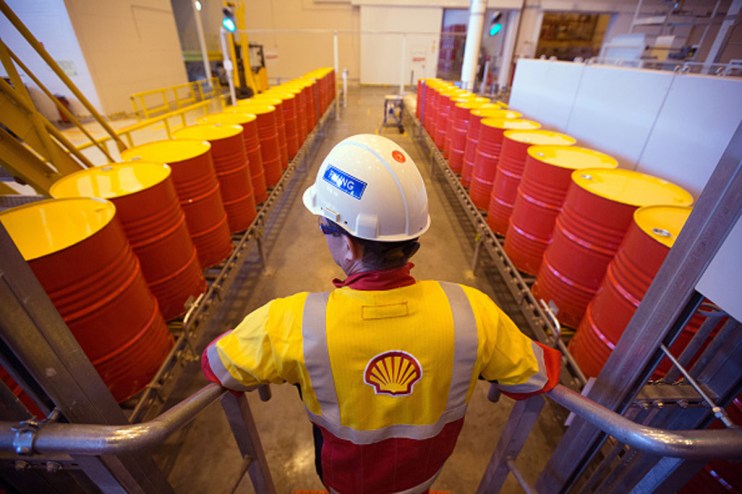
Shell is poised to reap major gains from its refining operations after the global surge in fuel prices dramatically ramped up the group’s profit margins.
The blue-chip energy giant said on Wednesday it expects its indicative refining margin – the difference between the cost of crude oil and the market value of finished fuels like diesel and gasoline – to leap to $42 per barrel. The increase marks nearly double the $24 per barrel recorded in the previous quarter.
This tees the firm up for a bumper quarter in its products division, which focuses on turning raw crude oil into finished fuels such as gasoline, diesel, heating oil and jet fuel. Shell will release its full third-quarter results at the end of October.
The margin expansion follows the leaders of G7 nations agreeing to release a 100m emergency supply of diesel and oil in a bid to stave off a brewing supply crisis. The cohort of advanced economies said on Friday they would work with the International Energy Agency to ramp up releases from their emergency stockpiles “in light of ongoing market pressures”.
Diesel prices smashed the 200p a litre mark in Britain for the first time ever last week, while the price of oil has stubbornly held above three-digits.
“Shell’s third-quarter trading update suggests another strong set of results is in prospect when the energy giant releases its full figures on 29 October. The company comfortably beat market expectations in the second quarter, and this latest update indicates a further earnings beat could be on the cards in the September quarter too,” Garry White, chief investment commentator at Raymond James, said.
Shell reaps rewards of ARC takeover
The surge in Shell’s refining profitability will help offset softer performance in its chemicals division and absorb roughly $2.5bn in expected cash outflows tied to German emissions certificate payments.
Despite soaring demand, Shell was unable to run its facilities at maximum output to capitalise fully on the market rally. Summer heatwaves across western Europe led to low water levels on the Rhine River, a key shipping corridor for inland industrial facilities.
The resulting logistical bottlenecks disrupted supply chains and forced Shell to curtail processing at its flagship Rheinland refinery in Germany, pushing overall refinery utilisation down to between 93 per cent and 97 per cent compared to 102 per cent in the second quarter.
But even with those operational constraints, the near-doubling of profit margins per barrel is expected to comfortably outweigh the slight dip in processed volumes.
White said: “The statement reinforces the benefits of Shell’s integrated business model, which enables it to capture value across the energy chain during periods of market volatility. While the chemicals division remains challenging and the group faces some one-off charges, the overall tone of the update was positive.”
Elsewhere, Shell reported a boost in gas production following the completed acquisition of ARC Resources, raising its integrated gas production outlook to 740,000–780,000 barrels of oil equivalent per day.
The London-listed firm revealed the $16.4bn deal for the Canadian shale producer ARC Resources in April and said the takeover would boost its production and deliver “value for decades”.
Global economies have also been hit with bond sell-offs as investors fretted over rising inflationary pressures from the ongoing energy shock. The yield that the UK government pays on its 30-year government bond rose above six per cent for the first time this millennium last week.