Diesel ban: UK to be ‘even more exposed’ if Trump follows through on export threat

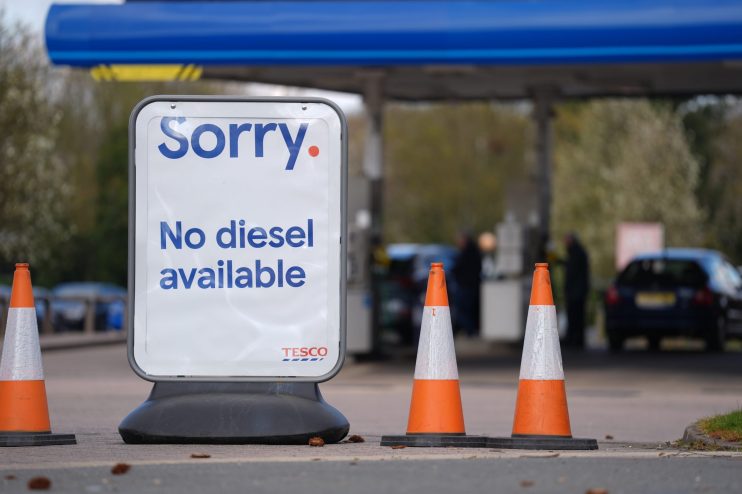
After Trump announced a ban on exports of diesel, Mauricio Alencar explores how it could impact the UK economy.
President Trump’s newest trade threat sent markets into a frenzy once again on Friday.
Earlier this week, Trump said he would back Republican proposals to halt exports of diesel in order to ease prices ahead of mid-term elections in November. US Treasury secretary Scott Bessent said there was a review underway of whether a ban could work as American diesel prices reached record highs at over £4.87 a gallon.
Fuel prices could put Britain under threat. Reform UK’s Treasury spokesman Robert Jenrick reportedly wrote to Bessent to warn that a ban would be a “big mistake”. Just as in the US, anger over spiralling fuel prices reflects the salience of motorists’ concerns in the debate around the cost of living.
Rachel Reeves’ previous moves to freeze fuel duty at successive fiscal statements have been welcomed by the likes of the Royal Automobile Club (RAC) Foundation. But researchers at the organisation are now warning that average diesel prices are likely to surpass £2 a litre.
Adam Bell, a consultant at decarbonisation consulting group Stonehaven, has been widely quoted warning in tabloids failing to rule out the prospect of diesel surging above £3 a litre as a result of a potential ban. Panmure Liberum analysts believe it was “not unreasonable” to predict that diesel prices would jump to £2.50 a litre.
Trump may yet fail to follow through on his threats. Analysts at Fitch, the credit ratings agency, said a 90-day ban would be “highly controversial” and may fail to get approval from energy secretary Chris Wright or interior secretary Dough Burgum. Oil and industry lobbyists may also fight back against a plan with questionable political upsides.
Research suggested that the impact on prices would be “uneven and potentially short-lived” given the US fuel market was concentrated towards the south easterly parts of the country. A ban on exports could also encourage local producers to cut supply given access to overseas markets has allowed companies to improve profit.
Diesel crisis to add to ‘squeeze’ on income
Anyhow, the UK may be underprepared for any scenario. New diesel car registrations have been on a rapid downward slope since 2015 although just under 38 per cent of all vehicles on UK roads are diesel, the car insurance firm Quotezone showed earlier this year. Lorries and other large goods vehicles boost the numbers as diesel cars make up a smaller proportion, underlining the importance of the fuel for the movement of products around the country.
Energy Information Administration data alsfo shows that the UK is one of the biggest buyers of diesel from across the pond. It buys less than the likes of the Netherlands, Mexico and Chile. The UK also only has 42 days’ worth of imports for emergency stocks of diesel in July 2026, according to Sky News analysis of various data sources. Government data from last year shows that the US accounts for about a third of all UK diesel imports.
Thomas Pugh, chief economist at the accountancy RSM, said there would be an “immediate effect” on the UK if a ban was imposed. He added that the main sectors to be hit would be road haulage, agriculture, construction and distribution.
“The economic impact would therefore come primarily through higher fuel costs, increased inflation and a squeeze on household and business incomes,” Pugh said. However, if the ban persisted for long enough, shortages would become a real possibility.
“Losing almost 90,000 barrels a day of US distillate would leave the UK even more exposed to global diesel prices.”
Over the summer, a rise in inflation was largely driven by higher fuel prices. The Bank of England believes that, as costs pass through, inflation could yet rise further above four per cent. In a report in July, economists warned that the longer diesel prices remained high, the bigger the ripple effects for the UK economy would be.