Global bond sell-off: Headache for Healey as gilt yields top six per cent

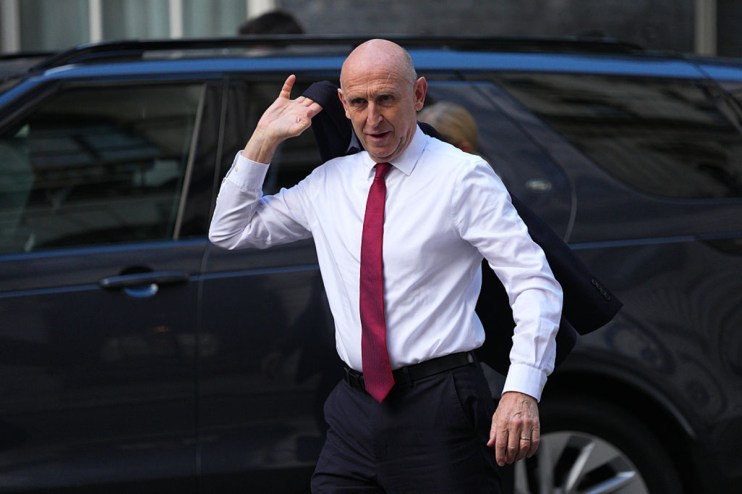
The yield that the UK government pays on its 30-year government bond rose above six per cent for the first time in this millennium, putting Chancellor John Healey in a collision course with markets.
Long-term gilt yields, which determine the size of UK government borrowing costs, skimmed 6.04 per cent in the early hours of trading on Thursday.
It was the first time the 30-year yield hit six per cent since 1998.
The higher level of government borrowing costs comes at a particularly awkward time for Healey.
In the spring, the Office for Budget Responsibility, which produces crucial economic forecasts that show whether the Chancellor has met his fiscal rules, said debt interest payments would total £134.7bn.
The rise in yields since March will likely mean that the OBR raises its forecasts for debt interest costs.
Economists say that a one percentage point rise in rates reflects an additional cost of £15bn by 2031.
Long-term gilt yields were around the five per cent mark in January at the time when the OBR last took a snapshot of market movements.
Analysis by RSM and several other City firms has suggested that the rise in rates could slash about £9bn from the headroom figure. The buffer stood at £23.6bn in March.
Spending pressures facing Healey
The Budget is now under four weeks away. Beyond the costs of additional debt interest, Healey is also facing pressures to fund extra defence spending and provide immediate support to families on the cost of living.
UK bonds were among the worst performers in a global sell-off on Thursday, with yields rising higher than in the US, Japan and Germany.
Earlier this week, Andy Burnham also signalled that the Labour government intended to broaden the size of the state and take “greater public control”. In interviews on Wednesday, he admitted that there was a “shortfall” in plans to fund a free-at-the-point-of-use care service across England.
Stocks in the UK also suffered from wider turmoil as the FTSE 100, the index for London’s largest listed companies, dropped by nearly two per cent.
Oil prices also climbed above $100 per barrel amid fears that negotiations between the US, Iran and other warring parties across the Middle East have stalled.
Pantheon Macroeconomics analysts said traders remained confused about Andy Burnham and Healey’s stance on borrowing, putting the UK in a less favourable position than other major economies.
“The uncomfortable truth for the Prime Minister and his Chancellor is that the wide spread of gilt yields over peers is fair given the UK’s dire fiscal position and the inflationary pressures stemming from high energy prices,” a note by the consultancy said.