Britain may not be facing economic apocalypse, but it looks that way

Despite a challenging economic landscape marked by rising inflation and borrowing costs, the UK economy demonstrates unexpected resilience and potential for recovery, says Daniel Mahoney
It is fair to say the economic landscape looks bleak. Brent Crude is hovering around $100 a barrel and rising gas prices are set to drive up inflation. Meanwhile, markets are pricing in four interest-rate hikes over the next year and some UK government borrowing costs are at a 30-year high. Each day seems to bring new inflationary threats, whether that’s Houthi rebels targeting Saudi energy sites or El Nino predicted to send food prices soaring. But the latest Handelsbanken economic forecast suggests we will get through this. So why are we not battening down the hatches?
It would be naïve to pretend everything is okay, the evidence of our own eyes belies it. But whilst the Middle East conflict has grabbed popular attention – and anyone filling their car is wincing at pump prices – it’s worth emphasising the UK economy has proved unexpectedly resilient to the energy price shock. Firstly, economic growth in the first half of the year has – against expectations – been robust. Secondly, to date, inflation has actually undershot economists’ expectations. Energy inflation, whilst very real, has been tempered by disinflation in wages and services, reducing the increase in headline rate.
Of course, the rest of this year will be immensely challenging. Inflation will increase, the Budget is prompting unwelcome uncertainty, and the Bank of England is set to hike interest rates in November. Financial markets think they will rise further next year – but we disagree. So why? We have already seen – in late June – what happened when there was a breakthrough in US-Iran negotiations. Energy prices and gilt yields both collapsed. We judge a similar event will most likely happen again in the coming months, which would enormously improve the economic outlook. And assuming geopolitical risk eventually recedes, we expect to see inflation on a falling trajectory by 2027 – which could even, in fact, end up allowing for rate cuts.
Will risk recede?
But can we purely count on receding geopolitical risk? Iran is a major factor driving borrowing costs – which have risen to alarming levels – but not the only one. Gilt investors need confidence that the government will manage money sustainably or yields will rise higher still. Mr Burnham’s talk, upon entering No 10, of “flexibility” within the fiscal rules went down spectacularly badly with bond markets; far from a great start. Furthermore, the seeming reluctance to countenance any form of spending restraint at the upcoming Budget is a concern.
However, those markets haven’t reacted especially negatively to domestic political developments since July. Notably, Mr Burnham’s pick for Chancellor appeared broadly popular with bond investors. Moreover, Mr Healey himself has been very strong on the need for fiscal discipline. If things have not improved, neither have they deteriorated. And there is further, comparative, good news.
International investors have a global remit – the clue is in the name. Increasingly, Britain is starting to look like it might not be the most troublesome option. Gilt yields – which set the cost of borrowing – remain the highest in the G7, but since July the gap between 10-year gilt yield and those of French Oats, German Bunds, and even US Treasuries has narrowed. In other words, those countries are increasingly looking more risky as well. Yes, international gilt markets are bearish, but – as the old joke goes – we don’t have to outrun the bear, just our competitors.
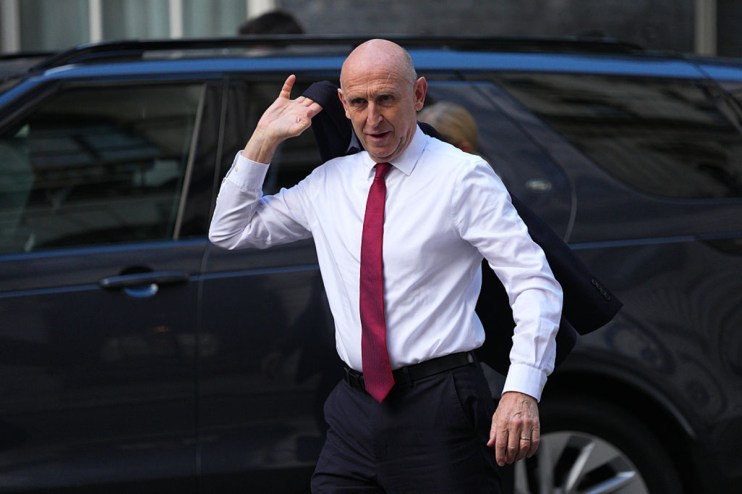
In one sense we can, perhaps, view the UK economy as a car, with Mr Healey in the driver’s seat and the rest of us as passengers. We can all see the almighty pothole approaching, which has gotten even worse over the last few weeks. We cannot rule out the possibility that he will end up wrecking the car – but we are fairly confident he will clear the danger. The road beyond is not in perfect repair either but – frankly – we don’t have anywhere else to go, nor any other way to travel.
Moreover, there is hope. Ignoring, for a moment, headline-grabbing warnings made by AI companies about it causing the end of the world, this latest technology is potentially set to boost productivity growth to the levels seen prior to the Global Financial Crisis. The UK’s comparatively flexible regulatory posture on AI, along with our strengths in AI-exposed sectors, means we could even end up seeing some of the greatest productivity gains here in Britain. Ultimately, Mr Healey would do well to remember the maxim widely credited to Winston Churchill: when you’re going through hell, keep going.
Daniel Mahoney is senior UK economist at Handelsbanken