Robert Jenrick was the last sign of life the Conservative party had

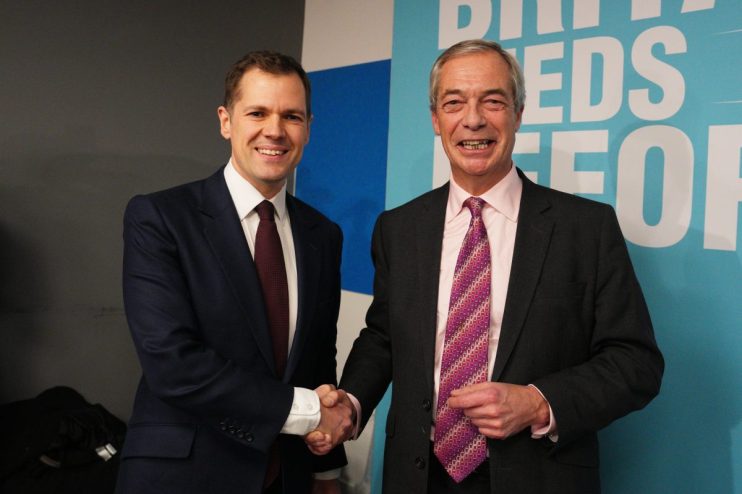
In booting out her erstwhile rival, Badenoch may have won herself a day’s worth of positive headlines but has done deep damage to the Conservative Party. She has lost an effective media performer with a detailed policy brain and extensive government experience: exactly the sort of battle-hardened but repentant ex-minister Reform were crying out for, says William Atkinson
Towards the end of last year, I made a very basic and very stupid mistake: I was optimistic about the Conservative Party. There were a variety of reasons why: seasonal goodwill, improving poll ratings for Kemi Badenoch, a nagging existential sense that my decade of membership had not been for nought. But, I’m afraid to say, that I was misguided.
Robert Jenrick’s defection to Reform UK is the biggest blow that Badenoch’s leadership of the Tories has yet sustained. Not only was he the rival she beat by the tight margin of only 57-43 per cent a year ago, but he was the Tory lodestar: her hardest-working shadow cabinet minister, her most effective media performer, and one of her few remaining MPs who not only showed signs of life, but seemed to understand where the party had gone wrong.
Supporters of Badenoch will suggest that this defection was long in the works – a delayed throwing of toys out of his pram. But that ignores the combination of disdain towards Jenrick and studious inactivity that have characterised Badenoch’s leadership so far.
After he ran her closer than Jeremy Hunt had Boris Johnson or Rishi Sunak had Liz Truss, she decided to fob him off with the junior role of shadow justice secretary while making fifth and sixth place candidates Mel Stride and Priti Patel her shadow chancellor and foreign secretary. She then proceeded to disappear, letting it be known she would avoid revealing policy for a couple of years and conspicuously failing to perform in even those most basic roles required of the Leader of the Opposition – PMQs and donor meetings especially.
Void
Into this void, Jenrick had to step, to provide the vigour Badenoch so conspicuously lacked. His videos of himself damning the Chagos Deal or rugby-tackling Tube fare dodgers were a natural response to a Tory leader who seemed unbothered by being over-taken by Reform in the polls. But for doing Badenoch’s job for her, Jenrick put a target on his back.
In booting out her erstwhile rival, Badenoch may have won herself a day’s worth of positive headlines but has done deep damage to the Conservative Party. She has lost an effective media performer with a detailed policy brain and extensive government experience: exactly the sort of battle-hardened but repentant ex-minister Reform were crying out for. Bringing Jenrick over not only shows that Nigel Farage is serious about preparing for government but provides Reform with an MP who knows all the Tory weak spots.
For evidence of how damaging that will be, look no further than Jenrick’s defection speech. His revelation that at a recent Shadow Cabinet meeting he was a lonely voice arguing that Britain is broken should send alarm bells ringing. According to Jenrick, the other Shadow Ministers either argued that Britain wasn’t broken, or that it was, and the Tories could say nothing about it, since it was the Conservative Party that had broken it. When three-quarters of voters said Britain was broken in a recent poll, alarm bells should be ringing.
Those of a complacent disposition might not believe things are too bad. They might own a home or two, have steady incomes, and the ability to live far away from the scuzziness, petty crime and ever-increasing expense that have come to characterise life for most in the UK. They do not get how angry voters are becoming, how they have been failed by both major parties and are desperate for a change. Jenrick does; Badenoch does not. Losing him has deprived the Conservatives of their voice of reason. My flush of hope has gone.
William Atkinson is assistant content editor at the Spectator