Regulators ‘appear unable’ to stop water firms acting unlawfully, MPs warn

A group of influential MPs have called for a “low risk, low return” water sector and urged the government to strengthen regulatory powers amid scrutiny over excessive dividends and murky company structures.
In a wide-reaching report, the Public Accounts Committee (PAC) warned that the “financial fragility” of a few large utilities had caused investors to lose confidence in regulation and the sector as a whole.
Ten companies did not generate enough income in 2023/24 to cover the interest on their debt, the PAC said, while three are now barred from paying out dividends without the industry watchdog Ofwat’s permission.
Geoffrey Clifton-Brown, chair of the committe, urged the government to “act now” to strengthen overwhelmed regulators, which have so far been “unable to deter companies from acting unlawfully.”
Scrutiny of the water industry has mounted in recent years after pollution incidents reached record levels and companies hiked bills to cover a 300 per cent increase in infrastructure spending over the next half decade.
“Customer trust is at the lowest level in more than a decade driven by poor company performance, particularly on the environment,” the PAC warned, adding UK utilities had not given enough clarity over how the extra cash from billpayers would be spent.
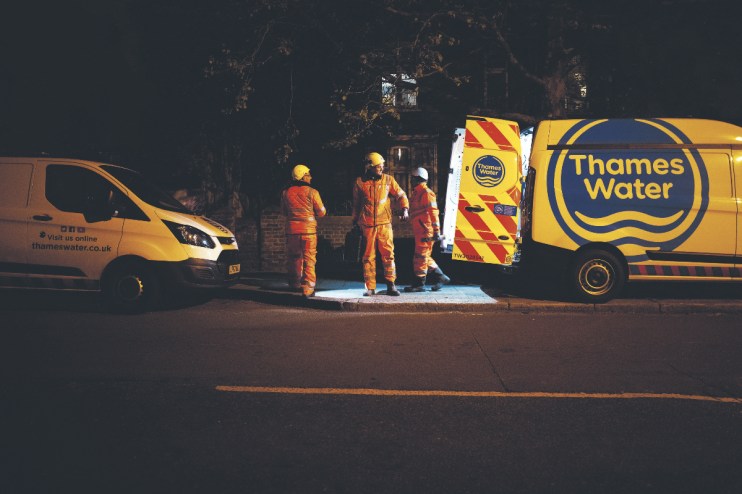
It comes amid an ongoing crisis at the UK’s largest water supplier, Thames Water, which is battling to stave off temporary nationalisation after racking up debts of at least £16bn.
The PAC said Ofwat and the Department for Environment, Food and Rural Affairs (Defra) had “not been clear” on what might happen under a so-called special administration regime (SAR), including the potential cost for millions of customers.
Thames’ bosses faced a grilling from the environment committee earlier this week amid accusations the utility’s chair, Sir Adrian Montaguge, had misled MPs over bonus payouts from a £3bn emergency loan. The disaster facing the firm reached new heights last month after US private equity firm KKR abandoned its plans for a rescue bid.
‘Farcical complexity’
Criticism of the water sector’s complex finances has not been limited to just Thames Water.
Severn Trent Water was accused in a BBC Panorama last year of using an accounting trick to artificially inflate its balance sheet by more than £1.68bn, a claim the company denies.
“It is past time that we had a low risk, low return water sector, from its current farcical state of overly complex, sometimes unregulated companies, and a culture of excessive dividends and borrowing,” Clifton-Brown said.
“There is also a lot to be done in the regulatory sphere, with a pressing need to improve and streamline the existing regulatory regime.”
On pollution incidents he said “more must be done” amid a “serious risk to human health” and continued degradation of “the quality of our lakes and rivers.”