Reeves’ Spring Statement gave us little to be cheery about

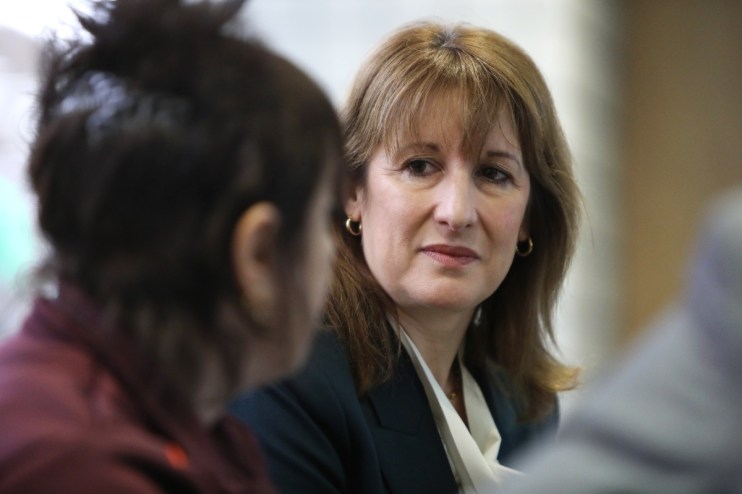
Rachel Reeves put on a brave face when she stood up at the dispatch box yesterday afternoon to unveil her Spring Statement. And although we were subjected to the usual staccato delivery, the Chancellor’s performance was more confident than usual.
But a cursory glance at the latest Office for Budget Responsibility (OBR) projections show there really is little to be cheery about.
For a start, Reeves took credit for falling inflation projections and continued interest rate cuts, which she said would ease cost of living pressures.
But as the OBR itself concedes, the events of the past few days are likely to have cast considerable doubt on these forecasts. Skyrocketing energy prices sparked by the Iran war and the resulting closure of local oil and gas plants could well put inflation back on the menu in the coming months, and earlier predictions of the Bank of England cutting rates later this month have been torn up by City analysts.
Reeves also pointed out that the OBR has forecast unemployment rates falling to 4.1 per cent over the next year. But January’s unemployment rate of 5.2 per cent is already well ahead of the OBR’s November forecasts, and the fiscal watchdog often has a rose-tinted outlook on the labour market.
As Fergus Jimenez-England, NIESR associate economist, writes: “This is markedly optimistic in our view and well below the consensus of academic economists. This flatters the fiscal outlook, by providing higher projected tax receipts and lower projected welfare spending.”
Fiscal headroom upgrade
Reeves also trumpeted the rise in her fiscal headroom, brought about by unexpectedly high tax receipts in January as well as OBR upward revisions to taxes collected in the coming months. But as well as relying on those optimistic unemployment predictions, the predictions on tax receipts also depend on a £9bn annual upgrade to receipts collected from better-than-expected rises in equities. Given the FTSE is already down about 5 per cent this week, I’m not persuaded this is still likely.
Reeves was keen to point out that there had been a small upgrade to GDP growth projections later in the parliament. She carefully skipped over the more immediate news that growth for 2026 had been massively revised down – to barely more than a miserly one per cent. And, to repeat, that forecast was made before this week’s geopolitical turmoil.
Is there anything to be pleased about? On previous budget days, the moment Rachel Reeves started talking, she started taxing. We can breathe a small sigh of relief that she has steered clear of that instinct – for now.
As much as Reeves has fewer supporters in the City than she started with, last month’s near-death experience for the occupants of Downing Street, and the whipsawing gilt moves it precipitated, was a reminder to the markets that should she and Starmer be forced out, a more radical, left-wing alternative is waiting in the wings. For now, “better the devil you know” remains the consensus view.