Rachel Reeves panics markets by ditching plans for income tax hike

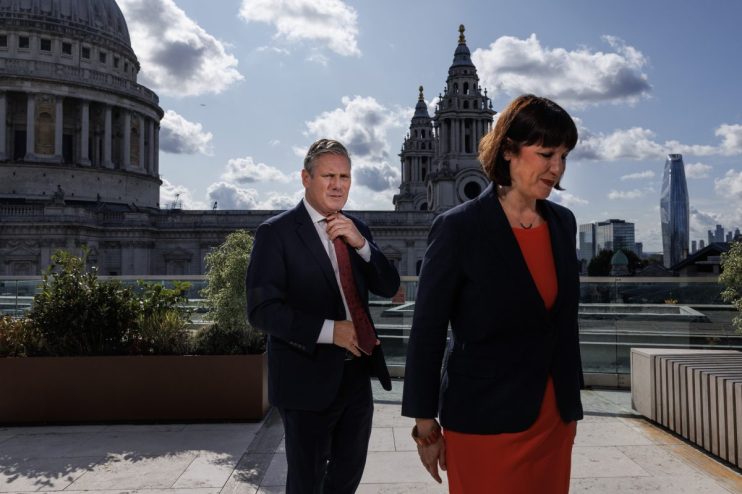
Rachel Reeves is understood to have scrapped plans to break Labour’s manifesto and hike income tax in the forthcoming Autumn Budget.
The Chancellor was poised to hike income tax by 2p whilst cutting national insurance by the same amount in a move that would break Labour’s pledge to not raise taxes on ‘working people.’
Over the last few weeks, senior government figures on media rounds have pointed to a retreat from the commitments as Reeves faces a £30bn black hole in public finances.
But now the first set of Budget proposals sent to the UK fiscal watchdog – including an income tax increase – have been kicked to the curb, effectively sending Reeves back to the drawing board.
The move, which was first reported by the Financial Times, leaves Reeves with fewer options to strum up a hefty cash number from one general rate increase.
Instead, signs are now pointing to a number of tax hikes to specific areas such as gambling and expensive properties.
The renewed uncertainty surrounding the Treasury’s agenda follows business leaders up and down the country warning the Chancellor months of Budget nerves had damaged consumer confidence and forced firms to hold off key investment decisions.
‘Credibility shock’
UK government borrowing costs have surged on news that the fiscal hole will not be filled by hikes to income tax.
The yield on 10-year UK gilts climbed by 13 basis points at the start of trading to 4.57 per cent.
It’s the biggest jump since July when bond markets were panicked at the sight of Rachel Reeves teary in the House of Commons.
Nigel Green, chief executive of global financial advisory deVere Group, said: “This is exactly how credibility shocks begin.
“Gilts are sliding, borrowing costs are climbing, and sterling is weakening because markets fear the government is improvising. There’s nothing investors hate more than indecision disguised as strategy.
“The reaction is unmistakable. Bond traders are telling the Treasury that they will not tolerate mixed signals. They saw what happened during the Truss turmoil and they’ll not wait politely for clarity. They’re pricing risk in real time.”
“Investors remember exactly how fast the Truss mini-budget spiralled. It took days for the gilt market to fracture under the weight of uncertainty. The Bank of England had to intervene. The memory is still fresh.
“Yet the current signals from Westminster suggest the lessons of that episode are fading.”
He added: “The question hanging over the markets today is simple: has Rachel Reeves absorbed what the Truss period taught every policymaker?”
Income tax thresholds in picture
Another income tax option understood to be on the table is cutting thresholds at which people pay different rates, whilst leaving the headline basis and higher rates unchanged.
The move would come when Reeves is already poised to extend a freeze on personal tax thresholds, in a move expected to raise between £8bn and £10bn.
However, cutting the personal tax thresholds could add another few billion to the public purse.
It would also follow Reeves departing Downing Street with her diary on display and the word “thresholds” used to describe a meeting.
The income tax row has stirred up trouble for Labour with new deputy leader of the Labour party Lucy Powell warning of the move’s impact on trust.
Ahead of the 2024 election, Labour promised to not raise national insurance, income tax or VAT.
Earlier this week, City AM revealed voters believe Reeves should be sacked if she breaks the commitment by hiking income tax.
The latest City AM/Freshwater Strategy poll showed that two thirds (66 per cent) of the UK electorate say that Reeves should quit if she chooses to raise income tax when she takes to the dispatch box on November 26.