Global energy body to release 400m oil barrels in emergency boost
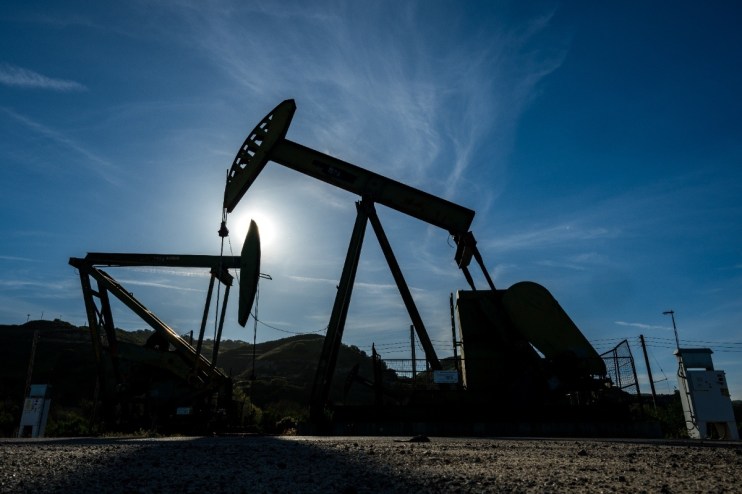
The global energy body has announced it will release a record 400 million barrels from emergency oil reserves in a bid to contain spiking prices.
The International Energy Agency’s (IEA) executive director Faith Birol said on Wednesday the market “challenges we are facing are unprecedented in scale”.
“IEA member countries have responded with an emergency collective action of unprecedented size.”
Brent crude – the international bench mark for oil – shed some gains yesterday on the news the IEA were weighing on releasing the strategic oil reserves but were broadly unchanged around the $90 mark after the announcement.
Following the reports, Ipek Ozkardeskaya, senior analyst at Swissquote, said an assumed amount of between 300 to 400 million “remains meagre” compared with the near 45 million barrels IEA countries consume everyday.
“It would be a temporary fix,” she added.
“The duration of the conflict will determine whether the spike in oil prices is over, or whether there is more to come.”
Hamad Hussain, from Capital Economics, said: “A record-breaking release of emergency oil reserves could cushion a lack of supply from the Middle East and provide some relief to oil prices.
“However, this would prove temporary with prices likely to rise back above $100 per barrel if the Strait of Hormuz were to remain effectively closed for a prolonged period.”
Oil market could ‘break in days’
The price of oil spiked once more on Wednesday as analysts sound the alarm that the commodity’s market is set to “break in days” following Iran’s threats to the region.
Brent crude surged over four per cent to near the $93 mark by midday on Wednesday as tensions continued to rumble on.
Iranian regime spokesperson Ebrahim Zolfaqari said: “We won’t allow even one litre of oil to reach the US, Zionists [Israel] and their partners. Any vessel or tanker bound to them will be a legitimate target.
“Get ready for the oil barrel to be at $200 because the oil price depends on the regional security which you have destabilised.”
Analysts at investment bank Macquarie have said the ongoing tensions around the Strait of Hormuz could push the price of Brent crude to “$150 or higher”.
“The timeline for an extremely large oil price move is very short,” they said, adding that a few weeks of closure for the strait – which around a fifth of the world’s oil supply flows through – would trigger a “domino effect”.
Around ten vessels in or near the Strait of Hormuz have come under attack from Tehran since the war broke out, leading to at least seven deaths, according to the International Martitime Organisation.
As tensions flared between the US-Israel and Iran, the latter vowed to prevent “one litre of oil” from leaving the Gulf region. Saudi Arabia’s defence ministry confirmed on Wednesday it had intercepted a wave of seven drones heading towards a strategic oil field after Iran continued its fire on its gulf neighbours and their energy structure.
“We are growing more confident that without an agreement and a fast cessation of all kinetic activity, the crude market will begin to break in days, and not in weeks or months,” analysts said.
They added the crude market was “far too sanguine” given the rate of recent volatility.
On Tuesday, the boss of the world’s top oil exported warned of “catastrophic consequences” for the oil market the “longer the disruption goes on” and added the impact would filter into the global economy.
Reeves: UK in talks to release oil reserves
In a session with the Treasury Select Committee on Tuesday, Chancellor Rachel Reeves confirmed the UK government is in negotiations with other countries to release strategic oil reserves and ease a price surge in oil markets.
Reeves said finance ministers, energy ministers and world leaders were meeting each day to discuss a strategy on oil and gas prices given they could hit household bills within months.
She told MPs on the Treasury Committee: “We are consulting with members right now consulting on the release of strategic oil reserves.
“The UK is willing to play its part in using those reserves to put downward pressure on oil prices and ensure that supply remains strong.”
Over the last 24 hours, reports have emerged that Iran was laying mines across the Strait of Hormuz, leading to the US saying it destroyed 16 minelayers near the waterway.
Though should the Strait of Hormuz re-open, Macquaire analysts warned the volatility in the market would be set to continue.
“A complete reopening of the Straits would likely trigger a tsunami of oil on the water followed by a drought as loading facilities restart, leading to market oscillations that may persist for several months,” they said.
“The process of moving these vessels out and bringing in an armada of unladen vessels will likely result in substantial logjams both within the Straits and at loading facilities.”