Natwest and Lloyds shares sink as Iran tensions drag FTSE 100 into red

The FTSE 100 was treading slightly above the 10,000 mark on Thursday as fears grew that the index could slip underneath the milestone.
London’s blue-chip index fell 2.7 per cent by the afternoon to lows of 10,002.30p.
It came as shares in a number of the City’s banking giants led the FTSE 100’s downturn this morning as financial titans were swept up in the Middle East-fuelled sell-off.
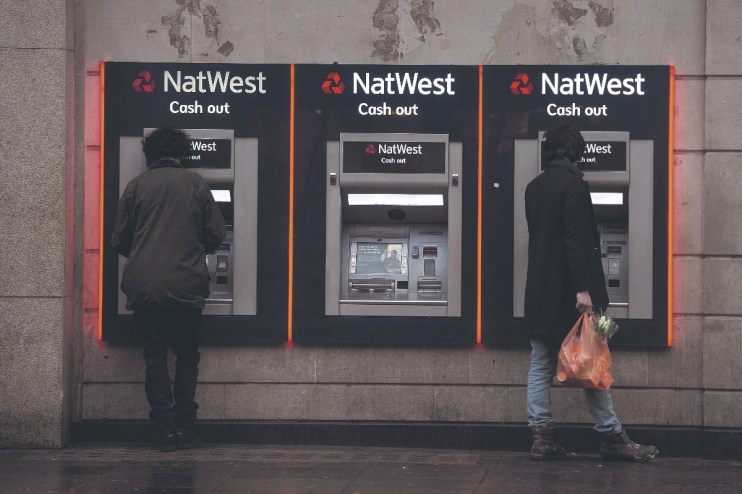
Natwest was among the blue-chip index’s steepest fallers, sinking over eight per cent to 530.20. The move marked a loss of over £3.5bn for the bank’s market price tag.
Its peer Lloyds also shed over four per cent to 92.16p, taking a steeper fall past the 100p milestone it sealed at the beginning of the year.
Barclays was down more than five per cent to 377.70p and investment giant M&G plunged nearly eight per cent to 278.20p.
“There was next to no buying interest of note,” Richard Hunter, head of markets at interactive investor, said.
“The moves were compounded by the additional downward pressure of a number of stocks being marked ex-dividend, including the likes of Natwest, M&G and Standard Chartered.”
Oil and gas surge rattles markets
The market woes came amidst the latest surge in oil prices with Brent crude pushing above $110 per barrel in early Thursday trading, before inching back to $108.
The price of UK wholesale gas also spiked over 25 per cent this morning to 175p a therm, hitting the highest level since August 2022.
It came as the South Pars gasfield, the largest natural gas field owned by Iran, was hit by Israeli strikes.
President Trump said the move was “out of anger” but warned should Iran launch an attack on “very innocent” Qatar the US “will massively blow up the entirety of the South Pars Gas Field at an amount of strength and power that Iran has never seen or witnessed before”.
Miners were also in retreat on the news with Fresnillo sinking over nine per cent to 302.00p.
Endeavour and Anglo American were down over eight per cent.
Ipek Ozkardeskaya, senior analyst at Swissquote, said: “The war is escalating rather than showing signs of easing. And risks in oil prices remain tilted to the upside.
“That ultimately means that risks to equities remain to the downside”.