Top Foreign Office civil servant ousted over latest Mandelson bombshell
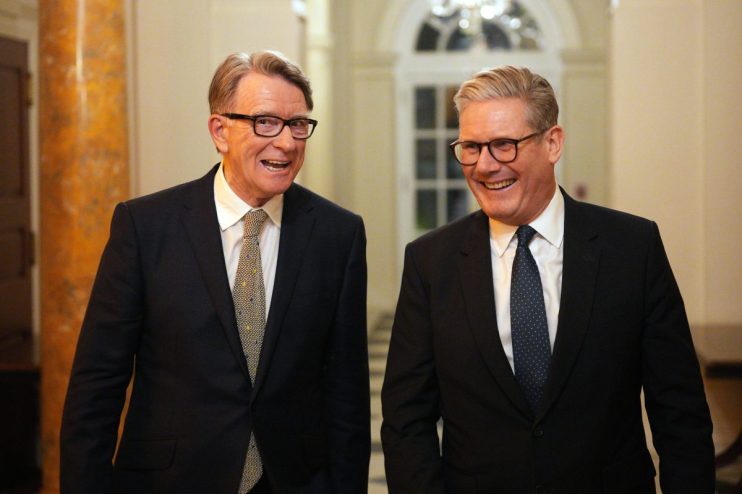
The top civil servant in the Foreign Office has been ousted after losing the confidence over Sir Keir Starmer and foreign secretary Yvette Cooper.
Foreign Office permanent under-secretary Sir Olly Robbins has become the latest Westminster figure to lose their role to the Mandelson scandal after it had emerged the disgraced peer was denied clearance in a confidential security vetting process.
This denial came after he had already become ambassador to the US yet a rarely-used power was used to keep him in the post.
Mandelson failed to pass a confidential security-led vetting process following initial Cabinet Office checks, which were mostly released to the public by the government.
But, as first reported by The Guardian, officials overruled security officials to allow Mandelson to stay in Washington DC.
The Guardian reported that the Foreign Office overruled a branch of the Cabinet Office, UK Security Vetting (UKSV), which scrutinises appointments of civil servants and considers national security.
Neither Keir Starmer, nor former foreign secretary David Lammy, were made aware.
Cabinet minister Darren Jones said this morning that Keir Starmer was “right” to tell Parliament that due process had been followed throughout Mandelson’s appointment to the ambassadorship, “because it had”, he added.
But Conservative leader Kemi Badenoch has hit back this morning, telling the BBC: “What we have seen is deliberate dishonesty. It doesn’t matter which of these stories the Prime Minister has told us, he has lied, and that is resignation time.”
A government spokesperson said: “he security vetting process for Peter Mandelson was sponsored by the FCDO. The decision to grant Developed Vetting to Peter Mandelson against the recommendation of UK Security Vetting was taken by officials in the FCDO.
“Neither the Prime Minister, nor any Government Minister, was aware that Peter Mandelson was granted Developed Vetting against the advice of UK Security Vetting until earlier this week.
“Once the Prime Minister was informed he immediately instructed officials to establish the facts about why the Developed Vetting was granted, in order to enact plans to update the House of Commons.
How Mandelson was vetted
The first vetting round was conducted by the propriety and ethics team in the Cabinet Office as part of a due diligence process.
Documents relating to the first round were published earlier this year. They revealed that Mandelson asked for a bumper payout package worth more than £500,000 while the likes of security adviser Jonathan Powell raised concerns over his links to the late paedophile Jeffrey Epstein.
The Prime Minister’s team waved the appointment through even as the initial due diligence process raised alert over Mandelson. Starmer’s former chief of staff, Morgan McSweeney, resigned from his position over his relationship with Mandelson.
After his appointment, Mandelson was subject to a secondary round of vetting.
Sources told The Guardian newspaper that officials for the UKSV rejected Mandelson though it is unclear whether Starmer was made aware about the decision by security officials, nor is it clear which Foreign Office official overruled the Cabinet Office branch in a rare intervention.
Robbins was the department’s top civil servant in late January 2025 when the decision was made. Lammy was the foreign secretary.
Reporting suggested that the government considered whether to withhold documents revealing that Mandelson had not been given a full vetting approval from security officials.
The decision has not yet been taken, with the government still set to release several more documents relating to Mandelson’s appointment and affairs with the government.
Number 10, the Cabinet Office and the Foreign Office have been approached for comment.
Starmer has been accused of a “cover up” but he has vowed to reform the vetting process at large, while also apologising for the appointment.
Starmer under pressure
Mandelson was sacked from his key diplomatic posting in September last year after more emails linking his close relationship to Epstein emerged.
Furore over Starmer’s judgment erupted earlier this year when Epstein emails published in the US allegedly showed Mandelson sharing confidential information to the paedophile financier at the height of the financial crisis.
Mandelson is on bail after being arrested in February on allegations of misconduct in public office.