Inflation stays above Bank of England’s target before Iran war

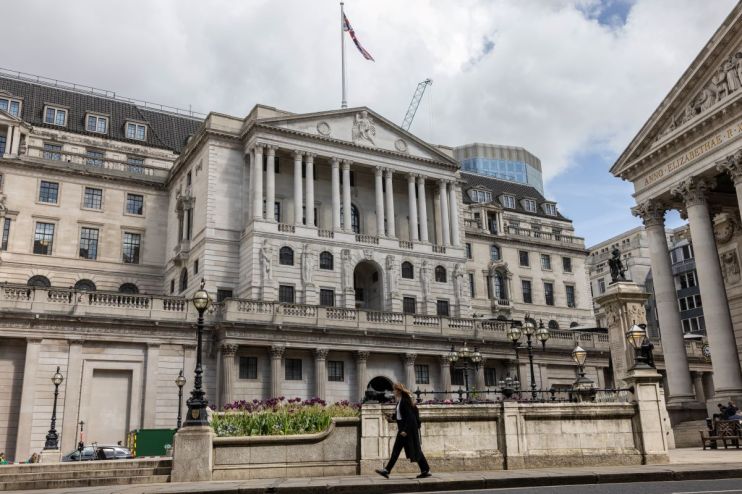
Inflation in the year to February remained well above the Bank of England’s target rate in the last piece of price data covering the period before war in the Middle East erupted.
The Office for National Statistics (ONS) revealed that CPI inflation over the 12 month period was three per cent, staying flat on the previous month.
City economists predicted inflation to stay at three per cent, the same reading as for the year leading up to January.
Analysts are set to be concerned by official data showing that inflation remained well above the Bank of England’s two per cent target, even before President Trump and Prime Minister Netanyahu launched strikes in Iran at the beginning of March.
Policymakers at the Bank of England may look for some more subtle signs that inflation was easing in data released on Wednesday before the war.
Services inflation, which can help to measure the impact of wage costs on firms, eased slightly to 4.3 per cent while core inflation, which strips volatile food and energy items, was 3.2 per cent.
It is unlikely, however, that Bank rate-setters will look at the latest set of inflation too closely.
The Confederation of British Industry’s lead economist Martin Sartorius said the data was “old news” and that a return to the two per cent inflation target may only come next year.
Chancellor Rachel Reeves said the government was taking a “responsive and responsible” approach to dealing with inflation given an “uncertain world”.
Inflation forecasts revised up
The conflict in the Middle East has led to the blocking of the Strait of Hormuz, the stretch of water critical for around a fifth of global oil and gas supplies as well as fertilisers and key chemicals.
The international benchmark for oil prices neared $120 per barrel in the middle of the war, shooting up from a price of around $68 before the war started.
The Brent Crude oil price hovered above $100 during trading on Tuesday.
The UK natural gas futures price has soared by more than 80 per cent since the start of the war.
A spike in energy prices across financial markets has already passed through into higher fuel prices at petrol pumps while Britons have been warned that the Ofgem price cap will cover changes from July.
Before the war, the Bank of England suggested inflation would fall to its target rate from April. It has revised up inflation forecasts for next month up to three per cent, with further rises to come in subsequent months.
At its meeting last week, the Bank’s Monetary Policy Committee warned it stood “ready to act” if prices jumped higher.
In a speech on Tuesday, chief economist Huw Pill said uncertainty could not be used as an “excuse” as the Bank focused on bringing price stability.
Economists at Wall Street banks have suggested that interest rates could be hiked twice amid fears that households and businesses were more sensitive to cost of living pressures.
WPI Strategy economist Martin Beck said it was “more likely” that the MPC “sit tight” and hold interest rates for a longer period of time.