Inflation eases to three per cent boosting interest rate cut hopes

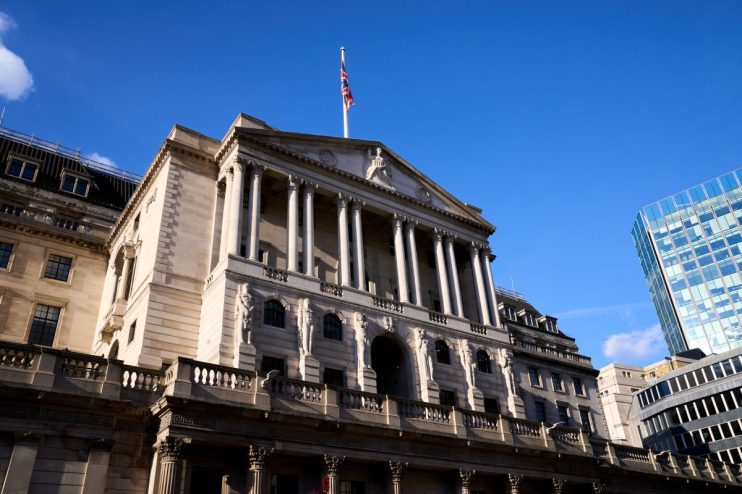
Inflation fell to its lowest level in nearly a year last month, new figures show, giving a further boost to hopes that the Bank of England will cut interest rates in March.
The headline rate dipped to 3.0 per cent in January, according to the Office for National Statistics (ONS), down from 3.4 per cent the month before.
The fall was in line with City expectations and brought inflation to its lowest rate since last March.
Grant Fitzner, chief economist at the ONS, said the decline was “partly” driven by a decrease in petrol prices, which fell 3.1 per cent month-on-month.
“Airfares were another downward driver this month with prices dropping back following the increase in December. Lower food prices also helped push the rate down, particularly for bread & cereals and meat,” he added.
Services inflation, which is closely monitored by policymakers at the Bank of England as a good indicator of domestic price pressures, eased to 4.4 per cent from 4.5 per cent previously.
This was slightly stronger than many expected, and may give the Bank pause for thought before cutting in March, but most analysts suggested the case for a cut remained intact given yesterday’s labour market data.
Bank of England eyeing two per cent target for Spring
The figures showed that unemployment rose to a post-pandemic high at the end of last year while wage pressures eased markedly, which should help push down inflation over the medium term.
“With the labour market data yesterday pointing to ongoing weakness in employment and a further softening in pay growth, most policymakers are likely to look through any short run stickiness in the services data,” Luke Bartholomew, deputy chief economist, at Aberdeen said.
The Bank of England predicts that inflation will return to the two per cent target this spring, largely thanks to lower energy prices, which could pave the way for further rate cuts in 2026.
Jonathan Raymond, investment manager at Quilter Cheviot, said: “As the economy barely kept afloat towards the end of last year, and the labour market and wage growth have cooled considerably, the Bank will likely feel increasingly comfortable cutting rates as 2026 progresses.”
Chancellor of the Exchequer, Rachel Reeves, said: “Cutting the cost of living is my number one priority. Thanks to the choices we made at the Budget we are bringing inflation down, with £150 off energy bills, a freeze in rail fares for the first time in 30 years and prescription fees frozen again.”