IAG: British Airways owner plays down jet fuel shortage concerns

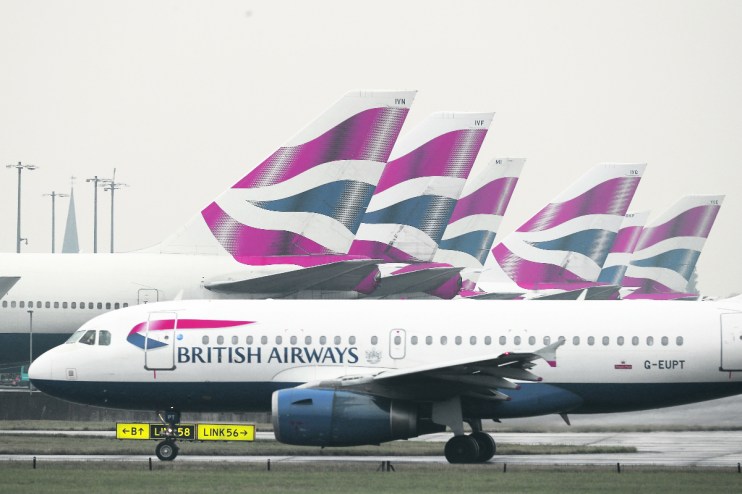
British Airways owner IAG has played down fears of a jet fuel shortage forcing it to cancel flights this summer but warned investors to expect lower earnings as a result of the ongoing conflict in the Middle East.
The London-listed carrier said the pan-regional war that has now dragged into its third month will have a “substantial impact throughout the rest of the year” as kerosene prices that are now double their pre-war-time prices filter into the market.
But 70 per cent of its jet fuel is hedged at a price set before the US’s initial strikes on Iran until the end of the year, which it said has insulated the business from the shorter term impacts of supply shock.
IAG boss: No issues with availability – yet
Profit at the aviation group, which also owns the likes of Aer Lingus and Veuling, jumped by more than 77 per cent over the first three months of 2026, the update said, despite the war affecting the last last 30 days of the reporting period. IAG attributed the large rise to revenue growth and the “limited impact on cost from the Middle East conflict”.
Luis Gallego, chief executive of IAG said the group saw “no issues with fuel availability” but that the higher input costs would inevitably eat into the companies full-year profit expectations. Instead, he said the issue the airline faced was more about fuel prices than supply, adding that it now expects jet fuel prices for the year to be €9bn (£7.7bn).
“Whilst the impact of the higher fuel price will inevitably lead to lower profit this year than we originally anticipated, we are confident in our business model and strategy, which has made us one of the best-performing airline groups in the world, and which gives us the opportunity to prove our resilience,” he said.
The update runs counter to a string of warnings that European carriers will be forced to cancel flights taking passengers on their summer holidays. The closure of the vital Strait of Hormuz shipping lane, which as well as being responsible for carrying a fifth of all pre-war oil and gas traffic is also a key artery for refined jet fuel, has spawned fears that airlines manage their fuel supplies with cancellations.
In a recent note, Goldman Sachs analysts said the UK was especially exposed to the war’s ill effects, and warned its inventories could fall “to critically low levels” if trade through the strait is not restored. This could prompt airlines and governments to introduce rationing measures, the bank added.
In its update on Friday, IAG dismissed fears the shortage would force it to pare back its schedule before the summer. But the carrier has already been forced to push on much of the higher jet fuel prices onto consumers, an approach it said it will continue to adopt on top of its own cost-cutting measures.
“We expect to recover around 60 per cent of the higher fuel cost during this year through our revenue and cost management actions, reflecting the mix of markets in which we operate, the benefits of our transformation programme and our investment in modern, efficient aircraft across the portfolio,” it said.
Chris Beauchamp, chief market analyst at IG, said: “IAG expectation that it will make less this year is yet another warning that the full impact of the war has yet to be felt.
“The limited recovery in its shares since April signals limited market confidence in the potential for a full recovery, at least until the conflict is fully resolved. But as last night’s clashes show, even a start to negotiation seems a long way off.”