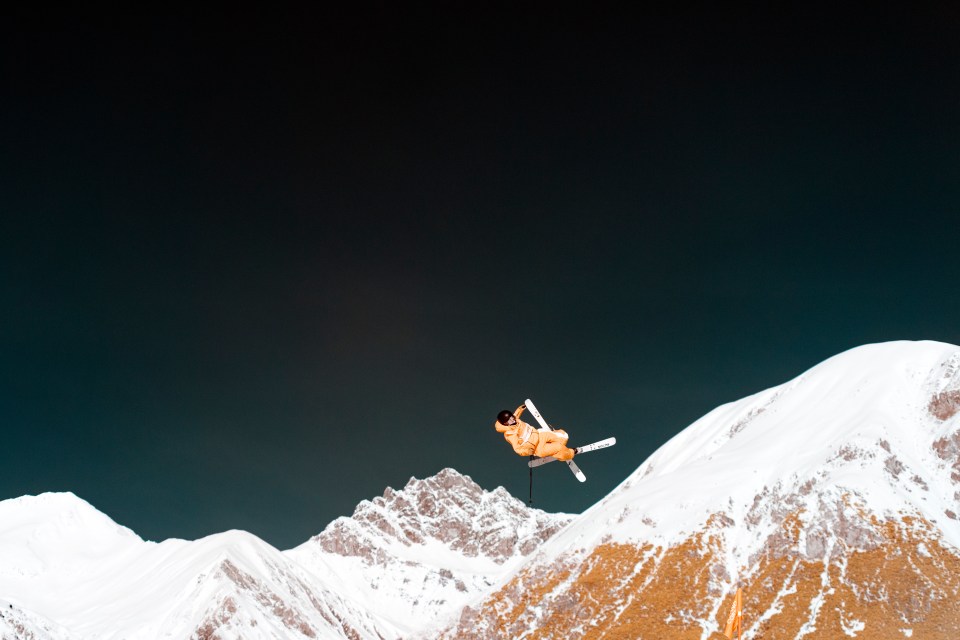
How the business of photographing the Winter Olympics has changed

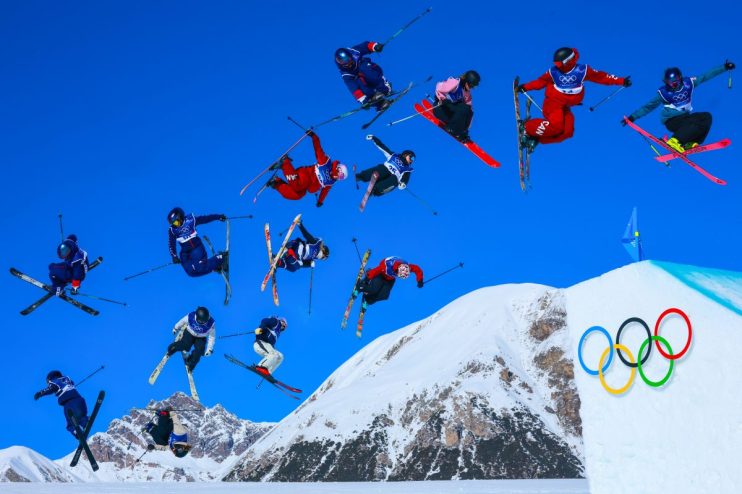
Getty Images’ Ken Mainardis takes us through how the business of snapping the Winter Olympics has changed over time.
Picture this – you hoist a 20kg bag of camera equipment onto your back and ski down an Olympic course to lie down in the snow and wait for hours for competition to start, all so that you are in position to capture that front-page image you have had in your mind.
It’s not an exaggeration to say the Winter Olympics are a test of endurance for the team of subject-matter expert photographers which Getty Images has out in Milan and Cortina.
As the official photography agency of the International Olympic Committee, Getty Images has deployed a team of over 120 photographers, editors and operations specialists working around the clock to capture and distribute premium imagery of the Winter Olympics in near real-time.
Along with iconic imagery from our deep archive, this content powers the commercial ecosystem surrounding the Games – providing newsrooms, rights-holders and sponsors with high‑quality visual assets that help them realise their strategic aims of audience engagement and visual legacy building.
While the foundations of our business capturing the Olympics has not changed – skilled, knowledgeable and creative photographers within a world-class editorial operations team – almost everything else has.
Technology at Winter Olympics
The explosion of digital platforms has evolved how Olympic imagery is consumed and monetised, with rights-holding broadcasters delivering 24/7 coverage across multiple channels. In this environment, value is created not through volume alone, but through new perspectives driven by specialist skill, access and differentiation.
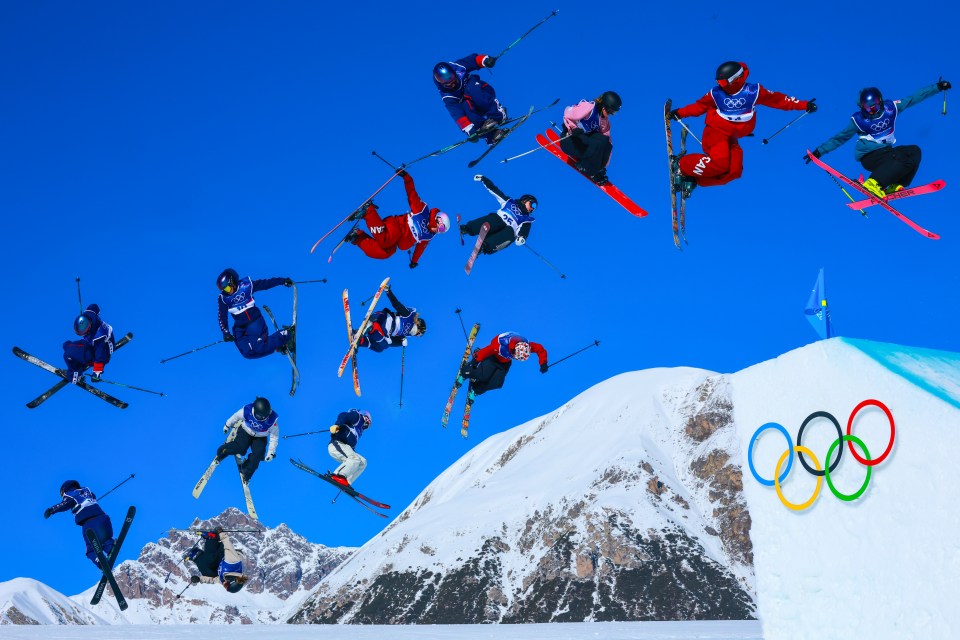
The always-on nature of the Games means that the lifecycle of visual content is very short. Speed to market is critical. Over the years we’ve invested heavily in the technology that takes content from camera to customer in a matter of seconds and covers all angles of the sport.
It’s also crucial that we capture moments not seen in the broadcast. This is essential not only for global audiences and sponsors, but for elevating a wide range of Olympic sports whose visibility relies on powerful visual storytelling.

Photography you can trust
The Milano Cortina Winter Olympics is one of the first global sporting events contested in the AI era, where the proliferation of synthetic imagery has heightened the need for trusted editorial photography.
The lengths that our photographers go to is what affords the Getty Images watermark. It’s cachet in the trust ecosystem of the AI era.
That watermark has quietly become a signal for authenticity and a marker of provenance. Celebrities and media companies alike are using the watermarked images to prove they are at events, and newsrooms sprinting to cover the Games view the watermark as proof that the image they are seeing is real.
At a time where trust in visual content has never been more pressured, we take seriously our responsibility to invest in and produce visuals which underpin commercial and editorial storytelling around historic events such as this.
Long after the athletes have gone home, our visuals will continue to shape Olympic narratives and preserve the legacy of the Milano Cortina Games.
Ken Mainardis is senior vice president of editorial at Getty Images