Housebuilders on hook for mansion tax if they fail to sell property after a year

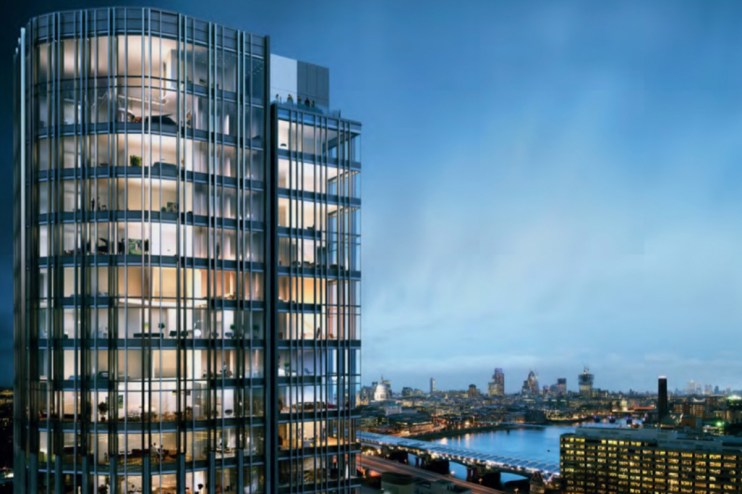
Property developers will be forced to pay the Labour’s new mansion tax if they take more than a year to offload newly built luxury homes, raising fresh fears that housebuilders will be further disincentivised from building homes in the capital.
As part of plans included in a Treasury consultation document, housing developers will be liable to pay the levy in full if a property fails to attract a buyer 12 months after it is completed. Before that, home builders could be made to shoulder a discounted bill as soon as “its completion notice” is issued, subject to a ruling from the relevant local authorities.
Rachel Reeves unveiled the new council tax surcharge – which has been dubbed the ‘mansion tax’ – on all homes worth more than £2m at last year’s Budget, in a move she said would help tackle a “longstanding source of wealth inequality”.
The levy will apply to the top one per cent of the UK’s most valuable homes, and be charged at a basic rate of £2,500 a year for homes worth between £2m and £2.5m. The annual charge has three other rates for homes worth more than £2.5m, rising up to as much as £7,000 a year for houses worth more than £5m.
The tax is expected to generate roughly £430m a year for the Exchequer when it comes into force in 2028. But before that, the government will be forced to embark on a costly process of valuing every home that might be liable, which itself is expected to cost nearly £400m.
Mansion tax to threaten London housebuilding
Estate agents have said the tax is already distorting the market, with transactions above £2m plummeting since the measure was announced. The number of homes being listed at just under the £2m threshold has also risen sharply, with buyers reluctant to purchase properties above the levy’s entry-point.
Property developers’ liability risks further dampening appetite from housebuilders in the capital, where the lion’s share of luxury new-build homes are built, at a time when construction of housing in the capital has fallen to multi-year lows.
“Charging mansion tax or council tax on empty new build homes awaiting sale can make the difference between whether a site is viable to develop or not,” a spokesman for the Home Builders Federation, told City AM.
“Recent years have seen a massive increase in the level of taxes and policy costs levied on new developments, which alongside big rises in material costs, are now making many sites unviable to build.”
Ballooning costs and higher-for-longer interest rates have choked housing supply across much of the country despite a concerted push from ministers to encourage faster housebuilding. But the problem has been particularly acute in London, where Berkeley, London’s largest housebuilder, said on Tuesday it could “no longer invest” in the capital after its plan to build a 900-home scheme in Peckham was rejected for a second time by planners.
To hit its self-imposed targets, the government and mayor need ground to be broken on 22,000 new homes in London every quarter. But there were just 2,103 residential starts in the first quarter of 20256, according to data from Molior.
As part of the same consultation document, the government is also exploring plans to introduce an ‘oligarch premium’ on top of the standard mansion tax, that would make non-UK resident home owners pay a higher surcharge.
The idea of targeting foreign owners is “under consideration” according to a Treasury official quoted by The Financial Times, who added the government “has not said we are going to do it”.
A Treasury spokesman said: ““We are committed to delivering 1.5m homes this parliament and are backing housing developers in achieving that. To ensure that the new tax does not act as a barrier to construction, government has proposed an exemption or discount for new builds owned by a housing developer.
“A 12-month limit aligns with the existing empty homes premium and we will consider views from the sector through our consultation.”