A grassroots crypto campaign just forced its way into the House of Lords. Now it wants to reshape British banking

When Stand With Crypto UK launched a petition calling for a national stablecoin strategy six months ago, few expected it to end up in the corridors of Westminster, but as the petition closed with almost 85,000 signatures it had already more than achieved the petitioners’ aims.
Stand With Crypto UK, a grassroots organisation, can now boast an army of over 285,000 advocates. The movement has succeeded in doing something the crypto industry has long struggled to achieve in Britain: forcing politicians to take digital assets seriously.

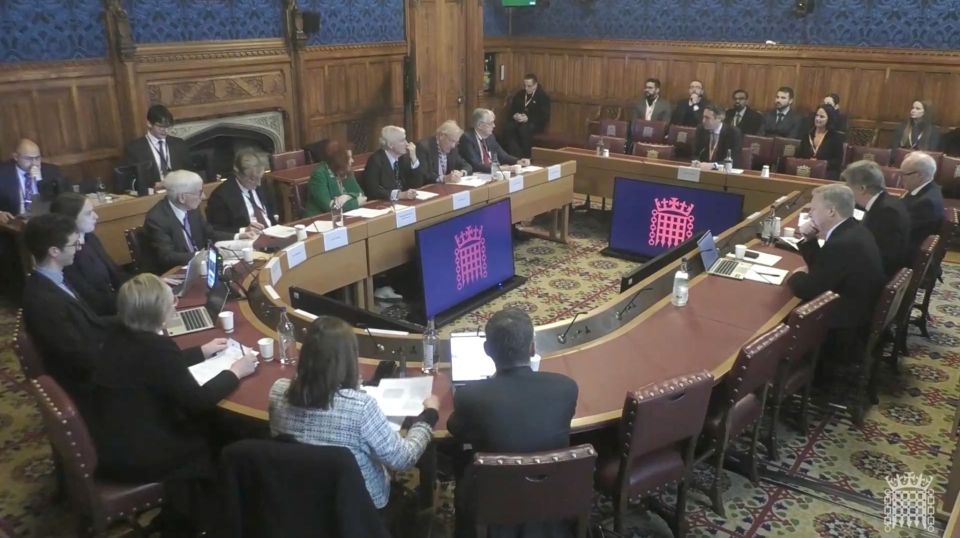
The most striking measure of the impact that Stand With Crypto UK is having came when the House of Lords Financial Services Regulation Committee took the unusual step of emailing all 60,000 signatories at the same time to invite them to submit evidence to a formal inquiry into stablecoin regulation. Lords committees do not typically reach out directly to petition signatories. The fact they did so here suggests something fundamental has shifted.
“Stablecoins did not end up on the parliamentary agenda by accident,” said Adriana Ennab, Director of Stand With Crypto UK. “A House of Lords committee does not normally email 60,000 people on a financial services issue unless it recognises that something serious is happening out there.”
The inquiry, chaired by Baroness Noakes, has held seven oral evidence sessions since January. Its findings are expected later this year and could prove pivotal for how Britain positions itself in an increasingly competitive global race to regulate and attract stablecoin business – a race campaigners argue the UK is already losing.
The US signed the GENIUS Act into law last year and more than 200 stablecoin projects have since been announced stateside. The EU’s Markets in Crypto-Assets (MiCA) regulation is fully operational, with around 20 euro-denominated stablecoin projects now live. In Britain, only four firms sit in the FCA’s stablecoin sandbox and the full UK regulatory framework is not expected until October 2027.
At the heart of Stand With Crypto UK advocates’ concerns is the Bank of England’s proposal to cap individual stablecoin holdings at £20,000 and business holdings at £10 million. Tom Duff Gordon, Coinbase’s Vice President for International Policy, told the Lords inquiry that no other central bank had imposed comparable limits. With 98 per cent of global stablecoins already dollar-denominated, he warned, that imbalance is unlikely to change without a viable sterling stablecoin market.
Deputy Governor Sarah Breeden has said the Bank of England is “genuinely open to other ways of achieving” its financial stability goals and hopes for more constructive engagement. Campaigners, led by Stand With Crypto UK, say that dialogue should include founders building Britain’s digital asset infrastructure, who can explain from their own experience how the proposed caps would affect innovation, jobs and the country’s competitiveness.
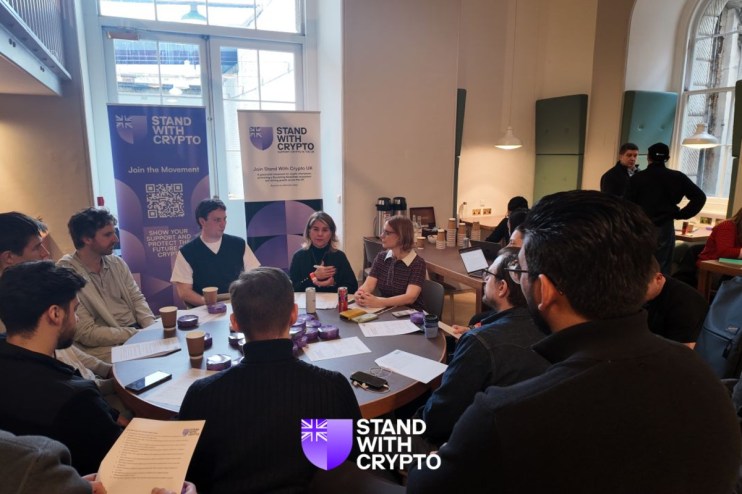
For businesses already using stablecoins, the caps are having a real impact. One founder at a recent Stand With Crypto UK roundtable explained that his company uses stablecoins as part of its operational infrastructure. “They allow us to move funds instantly and interact with blockchain-based services,” he said. “But with a £20,000 cap, we would hit the limit almost immediately. It simply doesn’t reflect how startups actually operate.”
That friction is precisely what stablecoin advocates say the technology was built to eliminate. Transactions that currently take days and cost tens of pounds can, with stablecoins, settle in seconds for pennies. The implications run from business payments to everyday financial inclusion, particularly for those sending money across borders.
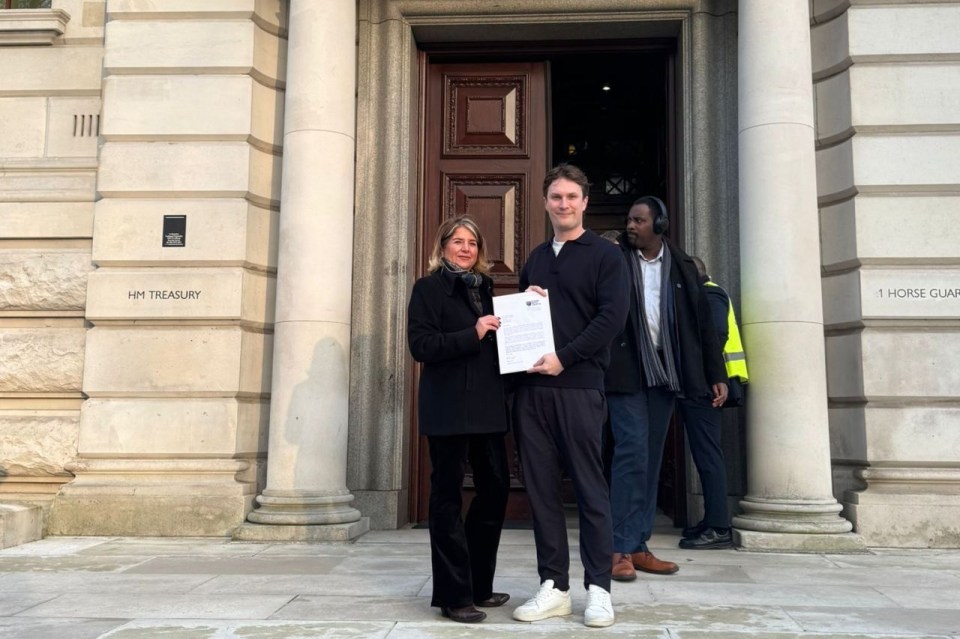
Stand With Crypto UK delivered a letter to the Chancellor alongside the petition results, calling for the removal of holding caps, active regulatory support for sterling stablecoins and an update to the Government’s Financial Inclusion Strategy to reflect digital assets. It has pledged to post the Chancellor’s response on its website for their advocates to see.
Ennab says the campaign is not going anywhere. “We are 285,000 people and growing. We are organised and we are not going away. Politicians who understand this is about British competitiveness will find our advocates constructive allies.”
For a UK political establishment that has long kept crypto at arm’s length, the Stand With Crypto UK movement is now becoming impossible to ignore.