BBC left out of ChatGPT AI news sources

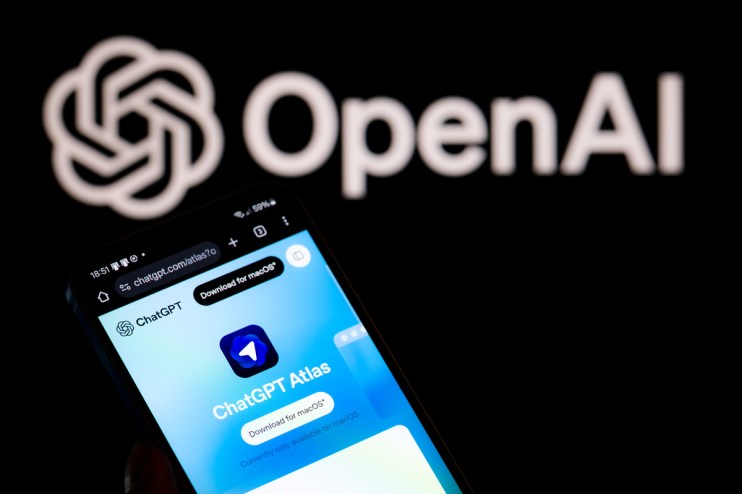
AI chatbots used by millions to access the news are skewing UK media, with new research showing that some of the country’s biggest and most trusted outlets are being sidelined altogether.
According to the Institute for Public Policy Research (IPPR), ChatGPT and Google Gemini did not cite the BBC in any responses to news-related queries, despite the public broadcaster being the most widely used news source in the UK.
The think tank examined how four leading AI tools, ChatGPT, Google Gemini, Perplexity and Google’s AI Overviews, answered a range of current affairs questions. It also tracked which publishers were referenced or linked.
The results revealed huge differences between platforms.
While ChatGPT and Gemini excluded the BBC entirely, Google’s AI Overviews used the broadcaster in 52.5 per cent of responses, and Perplexity cited it in 36 per cent.
But ChatGPT relied heavily on the Guardian, which appeared in 58 per cent of its answers, ahead of Reuters, the Financial Times and the Independent.
Other major UK titles barely featured. The Telegraph appeared in just four per cent of ChatGPT responses, GB News in three per cent, and the Sun in one per cent.
An OpenAI spokesperson said: “We are committed to supporting quality journalism and are the only major AI company to enter partnerships with leading UK publishers”.
“When ChatGPT searches the web, it draws from a broad range of publicly available sources relevant to the question and displays citations and direct links”, the firm argued.
“We also respect the choice of publishers like BBC News that choose to not allow their content being used in ChatGPT’s responses.”
AI summaries cut clicks
IPPR claimed the uneven sourcing reflects the vague rules governing how AI systems access and reuse journalism in the UK.
Some publishers, including the Guardian, have licensing agreements with various AI firms, while others have attempted to block their content.
In one instance, the BBC threatened legal action last year over the unauthorised use of its reporting by Perplexity.
It appears to have been excluded from some tools as a result.
This comes as AI summaries increasingly replace traditional search links. IPPR warned that when a Google AI Overview appears, users are almost half as likely to click through to a news website.
This shift threatens both advertising and subscription revenues across the sector.
Meanwhile, publishers themselves expect search traffic to fall by over 40 per cent over the next three years as AI use multiplies.
The report says that AI giants are becoming de facto editors, deciding which outlets are amplified and which are invisible, often without users being aware.
That bias risks narrowing the range of perspectives people encounter, while concentrating power in the hands of a small number of tech firms.
Roa Powell, senior research fellow at IPPR, said: “When the UK’s most trusted news source can disappear entirely from AI answers, it’s a clear warning sign about who now controls access to information.”
The research lands amid growing regulatory pressure, as the CMA on Wednesday proposed new rules that would allow publishers to opt out of having their content used in Google’s AI Overviews.
This move forms part of its first actions under the UK’s new digital markets regime.
IPPR is calling for clearer rules on how AI tools use journalism, including mandatory payment for news content and clearer labelling of sources in AI-generated answers.