Blackrock boss Larry Fink says AI will boost trade jobs

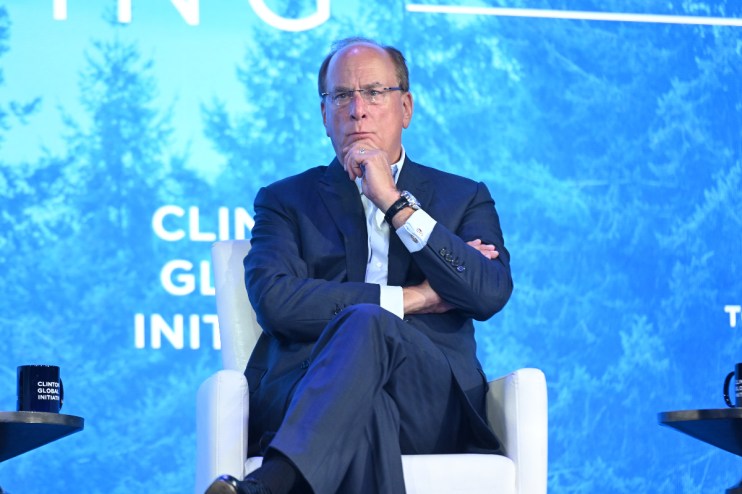
Society needs to rethink its view of careers as AI reshapes the job market, Blackrock chief Larry Fink has said, warning that skilled trades like plumbing and electrical work will become more valuable while some office roles decline.
In an interview with the BBC, the asset manager boss claimed the US had “overdid” its push for young people to go to university and pursue white-collar careers, arguing the balance now needs to shift.
“I think what we did wrong… we really put judgement on so many jobs,” Fink said. “We need to be proud that a career can be just as strong in these fields of plumbing and electricians.”
Fink, who leads Blackrock with $14 trillion in assets under management, said the rise of AI is already changing the types of jobs in demand.
In his recent annual letter to shareholders, he predicted the technology boom would create significant demand for workers in skilled trades tied to infrastructure, including electricians, welders and plumbers.
However, he warned that some traditional entry-level office roles could shrink as AI tools automate routine tasks, potentially forcing a rethink of career pathways.
His comments come as data shows growing pressure on graduate employment. The unemployment rate for recent US graduates has risen to around 5.6 per cent, while job postings aimed at early-career candidates have fallen.
Fink has also raised concerns that societies are not adapting quickly enough to the pace of technological change.
“The speed at which AI is changing, we’re not adapting our society fast enough,” he said at a recent Blackrock event.
To address the skills gap, Blackrock has committed $100m to training programmes aimed at supporting roles such as electricians and HVAC technicians, with the goal of reaching 50,000 workers over five years.
Energy risks and economic outlook
Fink also warned that rising energy prices pose a major risk to the global economy, particularly amid ongoing geopolitical tensions in the Middle East.
He said oil prices climbing to $150 a barrel could trigger a “stark and steep recession”, while a resolution to conflicts could see prices fall back.
“Rising energy prices is a very regressive tax. It affects the poor more than the wealthy,” he said, urging countries to take a pragmatic approach to energy by combining traditional sources with renewables.
Despite concerns in financial markets, Fink dismissed comparisons with the 2007-08 financial crisis, saying there were “zero” similarities and that financial institutions are far more resilient today.
He also pushed back against fears of an AI bubble, arguing that continued investment is necessary to maintain technological leadership.
“I believe there’s a race for technology dominance,” he said. “If we do not invest more, China wins.”