Bank of England to avoid signalling faster interest rate cuts

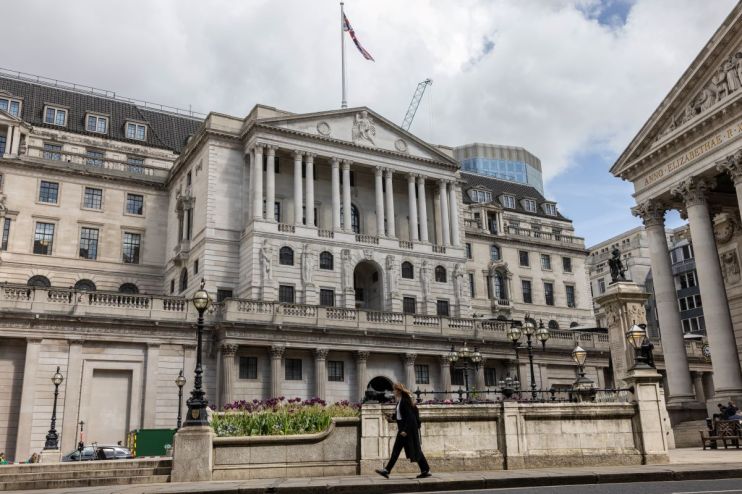
The Bank of England will not signal a faster pace of interest rate cuts over the coming months to combat jobs market woes across the UK economy, with some economists fearing it could send markets mixed messages on monetary policy.
Markets expect interest rates to be held at 3.75 per cent on Thursday due to worries about the stubbornness of inflation in the UK, particularly in food prices.
But economists and investors are holding out for some clearer indications of whether the Bank could cut interest rates at upcoming meetings.
Investors have suggested the next 25 basis point cut will only come in April, the same month when regulated effects through changes to energy pricing are expected to bring inflation down.
Alongside its interest rates decision, the Bank is set to publish its first monetary policy report of the calendar year.
The new set of forecasts will likely include research on the effects of Budget policies on price growth, as well as fresh analysis on the impact President Trump’s tariffs have had on global trade.
The rate-setter Alan Taylor suggested that trade diversion from China into the UK was lowering prices in the UK.
Separate research from Bank staff on a blog platform suggested the UK had not benefited from a faster decline in prices in goods due to trade from China than other countries.
Interest rates message ‘likely to be hawkish’
XTB’s research director Kathleen Brooks said investors would be looking out for changes in forecasts on wage growth and unemployment while governor Andrew Bailey’s comments on inflation would also clarify whether interest rate cuts were likely to come in the near term.
She said his comments are “likely to solidify the Bank of England’s resolve to keep rates on hold, with no rate cut expected until April, when inflation is expected to have moderated, and wage pressure is also expected to start to wane”.
“The pound could get a boost from a hawkish-sounding, although the main driver of the foreign exchange market now remains US dollar weakness,” Brooks said.
Panmure Liberum economist Simon French said it was unclear how low interest rates would go this year after calling for a faster pace of cuts in 2025.
“Whilst we would have preferred to have seen six 25 basis point cuts during 2025 – to get ahead of overly restrictive financial conditions weighing on demand – we can understand the rationale for gradualism,” French said.
“UK inflation once again became an international outlier during 2025, and whilst little of this is the result of loose monetary policy, it is incumbent on monetary policy to respond.”