Weather or not to stock – AI aims to shelter UK business from the classic (wet) British summer

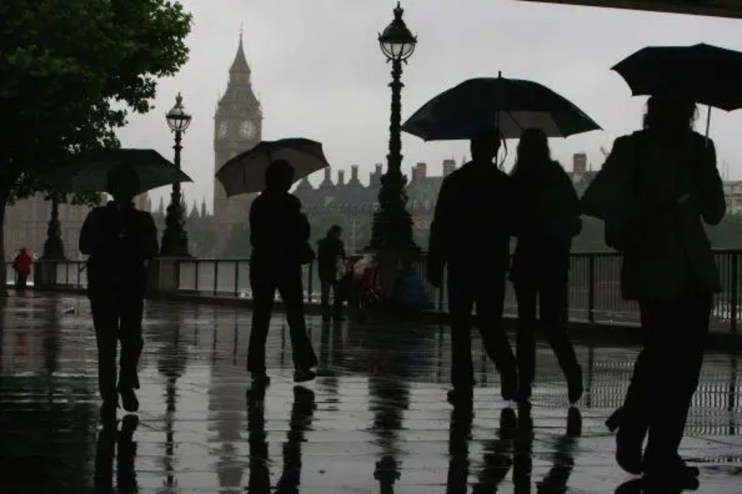
A chilly spring, a sluggish UK economy and hard-pressed household budgets at a time of rising interest rates have combined to put a national talking point – the weather – into the spotlight in the City.
Seasonal trends, or the lack of them, can make or break trading at retailers and hospitality companies. Disruption from the weather can have a huge impact, from major tourist attractions to everyday shopping for essentials.
For multi-million-pound firms with complex supply chains, reactions have been defined by precedent, or long-range weather forecasts. Stock Exchange announcements have long been littered with blame for the unseasonal weather for faltering sales.
Wickes, the DIY chain and Next, the fashion house long admired for outperforming the high street, are among the big names to have mentioned weather in recent updates.
Major visitor attractions hit the headlines this spring by drawing attention to what they argued were over-simplified weather symbols on phone apps.
A group of big-name venues for days out, including London Zoo, said a raincloud on the top left of popular prediction services could wipe out revenue by as much as £137,000 at a typical site.
Now, artificial intelligence may be riding to the rescue.
Business come rain or shine
One of AI’s latest applications is landing in the middle of the UK’s national obsession with the weather and the topic’s newfound status.
As the squeeze in consumer spending and lack of significant economic progress has left companies more vulnerable to disruption from the skies, AI is now being used to bring a more dynamic element to decision making.
A new tool called Sapient Bodhi deploys AI-powered tools to offer as-live insight that can be used in supply chain management, including up-to-date weather forecasts, rather than the static long-term seasonal ones of old.
Julian Skelly, head of retail at Bodhi’s parent Publicis Sapient, told City AM’s Business As Usual Podcast that the aim to let live data take over from the calendar in informing vital business decisions.
He said: “This gives a more actionable set of data. And is it literally in real time? It can be.
“The thing that retailers need to start working on is making their operations more flexible, making their systems able to react to these insights.
“It’s getting signals and data from lots of different sources and using that to drive a forecast, which is more accurate.”
As it develops, the technology is likely to mean that instead of flying blind into complex and unknown variables, retailers and hospitality firms will have better visibility of what is actually going on.
“Organisations will be able to predict, or better understand what’s happening,” Skelly said.
“And that will move the problem on, to how they react”.